







The Final Act: Remembering the Unpredictable Brilliance of Nana Patekar
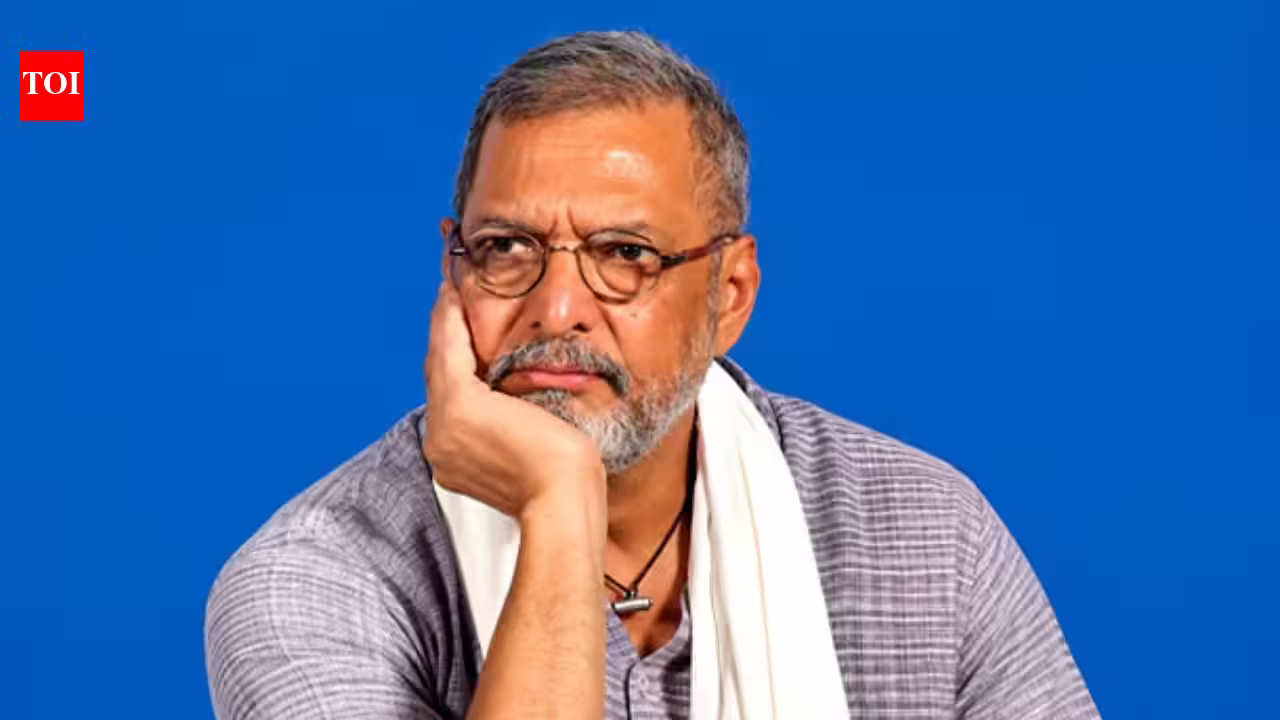
In the vast, star-studded firmament of Indian cinema, there are actors, there are stars, and then there is Nana Patekar. To describe him merely as a performer feels like a profound understatement; he was a force of nature, a tempestuous presence that could command the screen with nothing more than a flicker of his eyes or a rhythmic, staccato delivery of dialogue. With his passing on October 8 at the age of 75 due to a cardiac arrest, the industry hasn’t just lost an icon—it has lost its most unpredictable soul.
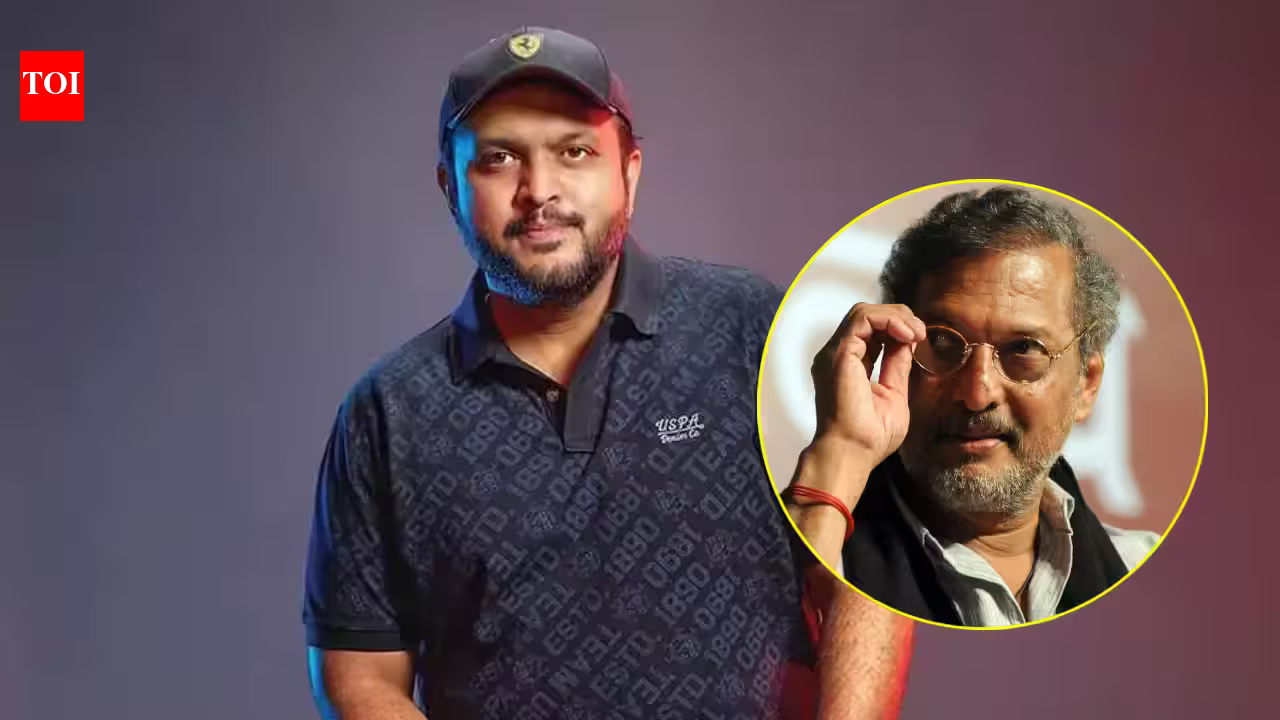
As news of his death reverberated across the country, social media became a canvas for grief. Among the tributes, one stood out for its stark, intimate honesty: that of renowned photographer Atul Kasbekar. His recollection of the man behind the legendary screen persona offers a glimpse into a life lived on one’s own terms, right up to the final, morbidly humorous detail.
A Legacy of Intense Individualism
Nana Patekar was never a man who bowed to the conventional gravity of Bollywood. Whether he was playing the vengeful protagonist in Krantiveer or the soulful, layered roles that defined his later career, he brought an intensity that felt dangerous. As Kasbekar noted in his poignant Instagram tribute, Nana was “unpredictable, intense, and fiercely individualistic.”
He was not an actor you could put in a box. He carried the weight of his characters in his marrow, projecting a rawness that made audiences feel like they were intruding on a private, often painful reality. Yet, behind the facade of the man who could intimidate an entire set with a single raised eyebrow lay a paradox—a man of immense, grounded generosity.
The Farmhouse Host: Breaking Down Hierarchies
One of the most revealing anecdotes shared by Kasbekar pertains to a photography assignment at Nana’s Pune farmhouse. In an industry where hierarchy is often the currency of daily operation, Nana Patekar operated on a different frequency.
Kasbekar recounts the scene vividly: the entire crew—assistants, spot boys, and drivers—sat in the main dining area, not as subordinates, but as honored guests. Nana himself played the role of the diligent host, walking among them to serve extra rotis and ladles of his famous mutton. There was no “star” treatment, no curtain between the talent and the crew. It was a testament to his upbringing and his core values. He understood the labor that built his fame, and he treated the people behind the camera with the same reverence he afforded his directors.
Physicality and the Spirit of a Fighter
If you look back at the viral clips that periodically surfaced from his life, it is easy to see why he was so revered. Kasbekar recalls being taken to Nana’s personal gym, where, at an age when most would be slowing down, Nana jumped into a set of tricep dips without a hint of a warm-up. He was, as Kasbekar put it, “stone cold.”
That physical discipline was merely a symptom of his mental state. Nana was a fighter—metaphorically and literally. He brought that same, tireless energy to his social work, particularly through the Naam Foundation. His commitment to water conservation in Maharashtra was not a PR stunt; it was a crusade. He spent his later years deeply embedded in the rural landscape, working to alleviate the suffering of farmers. He didn’t just play heroes in movies; he seemed determined to be one in the parched fields of his homeland.
The Morbid Humor of a Master
Perhaps the most striking memory, and the one that will undoubtedly become a part of the “Nana Lore,” is the story of the firewood. In a moment that could only happen in the orbit of someone as unconventional as Patekar, he walked Kasbekar through his property and pointed to a stack of firewood.
He wasn’t hoarding fuel; he was preparing for his own finale. With a dark, dry wit, he explained that the wood was kept perfectly dry specifically for his funeral pyre. His reasoning? He didn’t want wet wood to create smoke that would sting the eyes of his mourners. “I didn’t want people crying at his funeral merely because the smoke got into their eyes!” he had told Kasbekar.
It was the ultimate Nana Patekar move—thinking of others, even in the planning of his own death, while simultaneously mocking the solemnity of the occasion. He had turned the prospect of his own cremation into a comedy routine, a final act of subversion against the darkness of death.
The Final Curtain in Pune
The end for Nana has come full circle. He will be laid to rest at his beloved farmhouse in Donje, on the outskirts of Pune—the very place where he fed his crew and kept his funeral wood dry. It is a quiet, dignified departure for a man who lived such a loud, vibrant life.
As Ganesh Thorat, CEO of the Naam Foundation, confirmed, the mortal remains are being prepared for the final darshan. The government has announced that the last rites will be performed with state honors—a fitting recognition for a man whose contribution to Indian culture and social welfare spanned decades.
To say there will never be another like him is an cliché, but in the case of Nana Patekar, it is an absolute truth. He was a man who lived with his eyes wide open, staring down the complexities of existence with a mixture of rage, love, and a very dry sense of humor. He has left the stage, but the smoke from his fire—metaphorically speaking—is still lingering, reminding us that life is too precious to be taken too seriously, and too fleeting to be lived by anyone else’s rules. Rest easy, Nana Saheb. The stage is empty, and the world feels a little bit quieter today.
Disclaimer: This content is auto-generated for informational purposes only.
Source: Read Original News