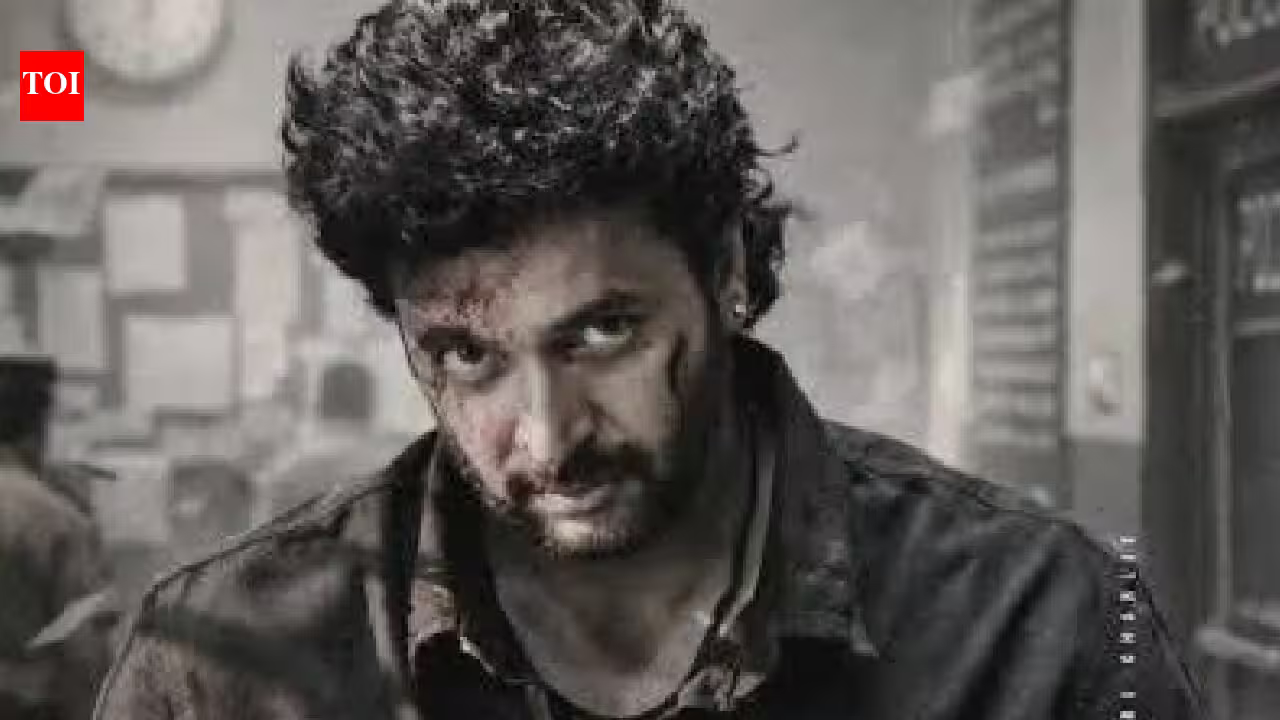







The digital age has turned the film industry into a high-stakes, real-time battlefield where the box office is no longer the only metric of success. For Tollywood superstar Vijay Deverakonda, the battlefield has become increasingly personal, leading to a candid, gloves-off confrontation with the “manufactured” negativity that has shadowed his recent career.
During a high-octane press interaction in Hyderabad this week, the Ranabaali star took aim at the toxic culture of social media, openly questioning why his professional journey has become a lightning rod for coordinated internet campaigns. As his upcoming project, Ranabaali—directed by Rahul Sankrityan and co-starring Rashmika Mandanna—prepares to hit theaters, the actor is making it clear: he is done playing nice with the trolls.
The Cost of Authenticity: Staying True to the Brand
The discourse surrounding Vijay Deverakonda has long been polarized. His rise to fame, built on a mix of raw talent and a notoriously unfiltered persona, has earned him both a massive, devoted fanbase and a vocal army of detractors. When pressed about the relentless criticism, the actor didn’t retreat into a PR-scripted apology. Instead, he challenged the premise of the criticism itself.
“Should I stop because someone thinks my dreams and hard work are unnecessary? Should I start acting because someone thinks my honesty comes off as arrogance?” he asked, throwing the question back at his detractors. For Deverakonda, the critique of his “pride” or “arrogance” is a fundamental misunderstanding of his self-confidence. He pointedly remarked that his unwillingness to alter his personality for the sake of public approval isn’t a flaw—it’s his foundation. He isn’t interested in retreating to his home to appease those who feel uncomfortable with his success; he is, quite simply, here to stay.
Cracking the Code of Manufactured Hate
Perhaps the most striking element of the press meet was the actor’s laser-focused analysis of the social media landscape. Deverakonda posits that the vitriol directed his way isn’t organic grassroots dislike; it is, by his estimation, at least 90 percent artificial.
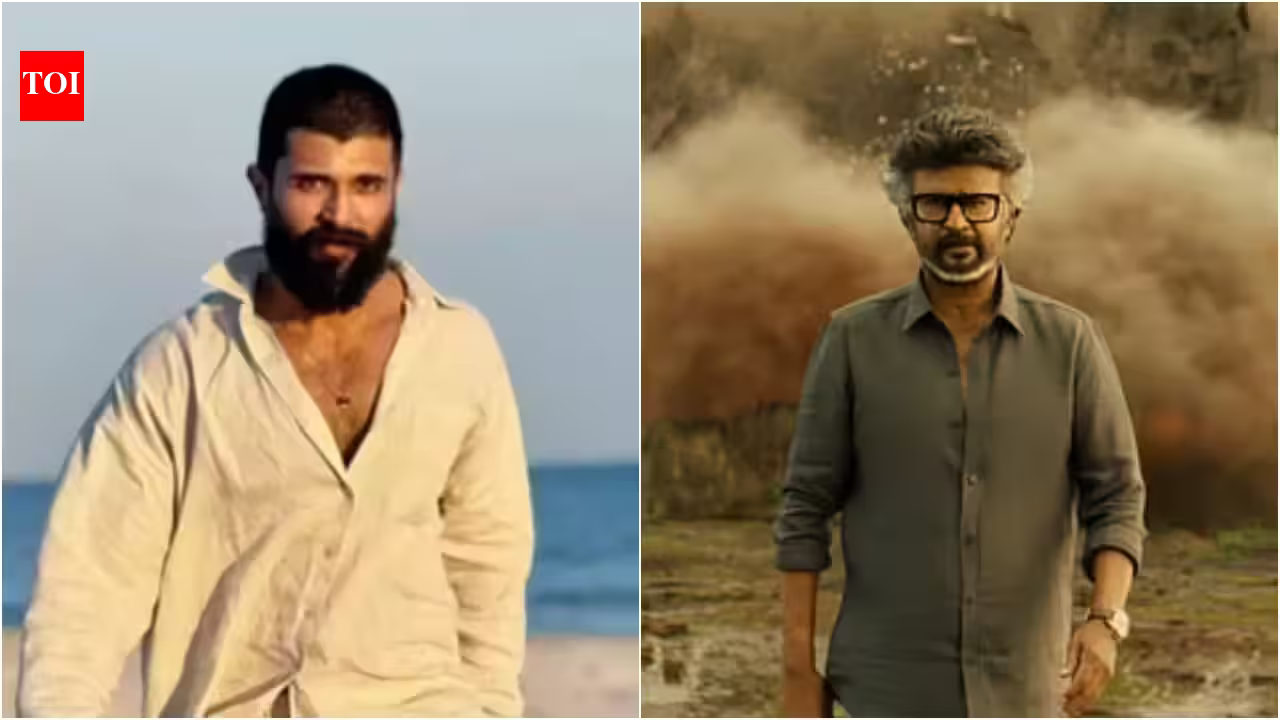
He highlighted a specific trend that has become impossible to ignore: a coordinated wave of content, particularly on short-form video platforms, designed to pit his release against the upcoming Rajinikanth juggernaut, Jailer 2. By comparing the two—a Telugu film arriving just one day after the massive pan-Indian sequel—trolls have created a narrative of inferiority. Deverakonda sees through the curtain. To him, the Reels, the comments, and the “preference” polls are not the voices of genuine cinema-goers, but rather the output of a specific, motivated batch of individuals tasked with dragging his brand down.
The AI Reality Check: The Future of Trolling
Deverakonda’s critique took a fascinating, almost prophetic turn when he addressed the mechanics of these smear campaigns. He suggested that the industry of “paid trolling” is standing on shaky ground. By tying the current state of targeted hate to the inevitable rise of Artificial Intelligence, he offered a grim outlook for those who make a living out of online hostility.
“The attacks they’re paid for today, AI will do tomorrow,” he warned. The actor’s argument is that the human element of these campaigns—the very people currently earning a paycheck to disparage his films—will soon be rendered redundant by algorithms that can generate negativity at a scale far greater than any manual operation. It was a rare moment where a film star spoke the language of Silicon Valley, framing his personal struggle within the larger, existential threat of automation. He essentially told his detractors that they are working against their own long-term interests, as the “powers that be” will eventually swap their human labor for much more efficient, automated vitriol.
Redefining the Purpose of the Digital Square
Beyond the drama of box office rivalries, the actor touched upon a wider societal malaise: the weaponization of social media. In an era where digital platforms hold the power to build careers, he expressed frustration that they are being used so effectively to tear them down.
“Use social media to promote and better things,” he suggested, a sentiment that feels both idealistic and weary. The actor’s frustration lies in the missed potential of these tools. Instead of fostering community or celebrating the growth of artists, the internet has become a coliseum where the sport of the day is tearing apart one’s own countrymen—a point he drove home by emphasizing that Ranabaali is a Telugu production being unfairly contrasted with a high-budget franchise from another industry.
The October Showdown
The timing of these remarks is, of course, no accident. Jailer 2, directed by Nelson Dilipkumar, is slated for an October 15 release, while Ranabaali follows on October 16. It is a tight window, and in the Indian film market, release dates are often treated as declarations of war.
While Jailer 2 carries the monumental weight of the Rajinikanth brand, Ranabaali represents the high-stakes ambition of the new-age Tollywood vanguard. By speaking out now, Deverakonda is attempting to decouple his film’s success from the “Jailer 2 vs. Ranabaali” narrative. He is asking the audience to judge the work on its own merits rather than buying into a manufactured rivalry.
As October 16 approaches, the true test will be at the box office. But regardless of the numbers, Vijay Deverakonda has already made his point. He isn’t waiting for the trolls to change; he’s essentially calling them out for being a dying breed in a world that is moving past them. Whether his defiance will resonate with a cynical internet audience remains to be seen, but one thing is certain: he’s not going down without calling out the game.
Disclaimer: This content is auto-generated for informational purposes only.
Source: Read Original News