








The drought status currently affecting Yorkshire has reached a critical juncture, as officials warn that recent rainfall is insufficient to undo the damage caused by a punishing spring and summer. With Yorkshire now joining large swathes of central, southern, and eastern England under official drought designation, water authorities are stressing that the path to recovery will be long and difficult.
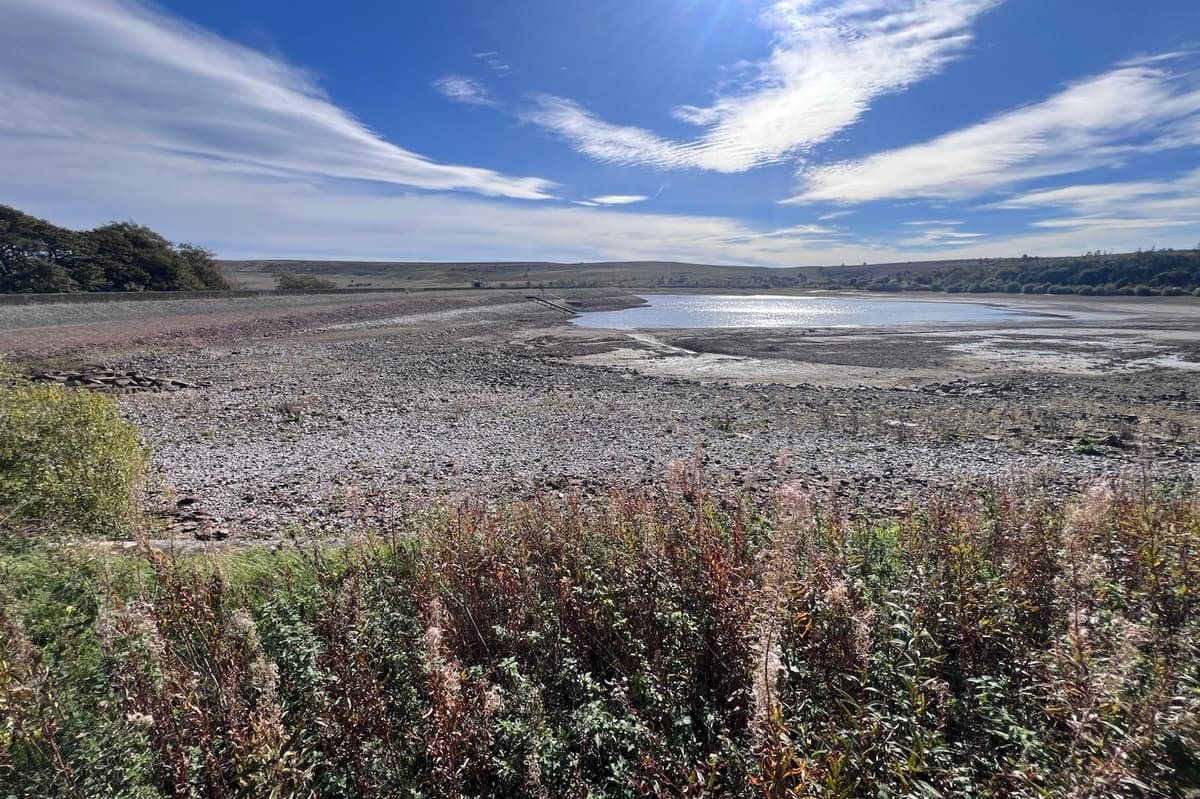
The UK’s water security has been tested by extreme weather throughout the year, characterized by record-breaking temperatures and five distinct heatwaves. These conditions have placed unprecedented strain on reservoirs, with current levels at Yorkshire Water facilities highlighting a significant deficit. While the historical average for this time of year sits at 68.7 per cent, current levels remain well below this benchmark. According to experts, “above average” rainfall will be required consistently over the coming months to ensure the region is adequately prepared for the challenges of 2027.
Water Minister Emma Hardy has signaled that the government is taking a hands-on approach to the crisis. “The recent rainfall is not yet enough to replenish all the water we’ve used over the spring and summer, and the Yorkshire drought declaration highlights that the situation is still serious,” Hardy stated. She confirmed that the government is now “carefully monitoring” the actions of all water companies to ensure they adhere to strict drought management plans. These mandates include immediate action on fixing infrastructure leaks and active measures to reduce consumer demand.
Vicki Townend, area environment manager for the Environment Agency in Yorkshire, echoed these sentiments, warning that the damage to the water table cannot be reversed overnight. “Even if we receive a few weeks of rain, we cannot quickly reverse the effects of the lack of rainfall during a very dry spring and summer,” Townend explained. She noted that the frequency of such events is a worrying trend, as drought has now been declared in three of the past five years—a shift experts explicitly link to the impacts of climate change.
As the Environment Agency implements its Yorkshire Drought Plan, it has begun processing drought permit applications. These permits allow water companies to reduce the volume of water they are required to release into local rivers, thereby prioritizing public supply. The agency maintains that these measures are essential to balancing the needs of human consumption against the protection of local wildlife and ecosystems, which are already struggling under the prolonged dry conditions.
The reality of the situation serves as a stark reminder of the shifting British climate. Townend warned that the public should brace for a future where heavier, sporadic rainfall and intensified, drier summers become the norm rather than the exception. “We encourage people to be aware of the impacts of drought and use a little less water to speed up the recovery,” she added.
Despite the gravity of the situation and the low levels at reservoirs like Redmires in Sheffield, Yorkshire Water has provided a small measure of relief to the public, stating that it is not currently anticipating the need for a hosepipe ban. However, with the regional water supply still in a state of deficit, the effectiveness of ongoing conservation efforts and the nature of the upcoming winter weather will determine how quickly the region can move out of its current state of crisis.
Disclaimer: This content is auto-generated for informational purposes only.
Source: Read Original News