








A New Era of Personalization in Mobile Hardware
As Apple prepares for the highly anticipated launch of the iPhone Duo, the company is introducing a unique layer of hardware personalization that bridges the gap between digital software experiences and physical ownership. With the release scheduled for late October 2026, Apple has unveiled a specialized in-store configuration process that allows the iPhone Duo to greet its new owner by name the very first time the device is powered on. This update represents a shift in how consumer electronics manufacturers approach the initial out-of-box experience, moving beyond standard factory settings to create a bespoke introduction for the user.
This personalization feature, available exclusively at Apple retail locations in the United States, integrates directly into the device boot sequence. During the initial setup phase at the store—or for units slated for in-store pickup—authorized personnel will input the buyer’s name into a dedicated system. Upon the user’s first interaction with the device, the iconic “Hello” screen will dynamically render the owner’s name, such as “Hello, Mark,” before proceeding to the standard setup assistant.
Technical Integration and Deployment
The technical implementation of this feature suggests a sophisticated handshake between Apple’s retail inventory systems and the device firmware. By utilizing the unique hardware identifiers assigned to each iPhone Duo, Apple can push a localized configuration packet to the unit during the final preparation stage in the store. This process ensures that the personalized greeting is embedded locally on the device, maintaining privacy and security standards while adding a custom identifier to the bootloader level.
Initially, this feature is limited to the United States market and supports English and Spanish language profiles. While the scope is currently focused on the iPhone Duo, it signals a broader potential for retail-level customization across the Apple product ecosystem. By leveraging the physical infrastructure of Apple Stores, the company can deliver these value-added services that traditional third-party retailers or direct-to-home shipping channels cannot currently replicate.
Strategic Positioning of the iPhone Duo
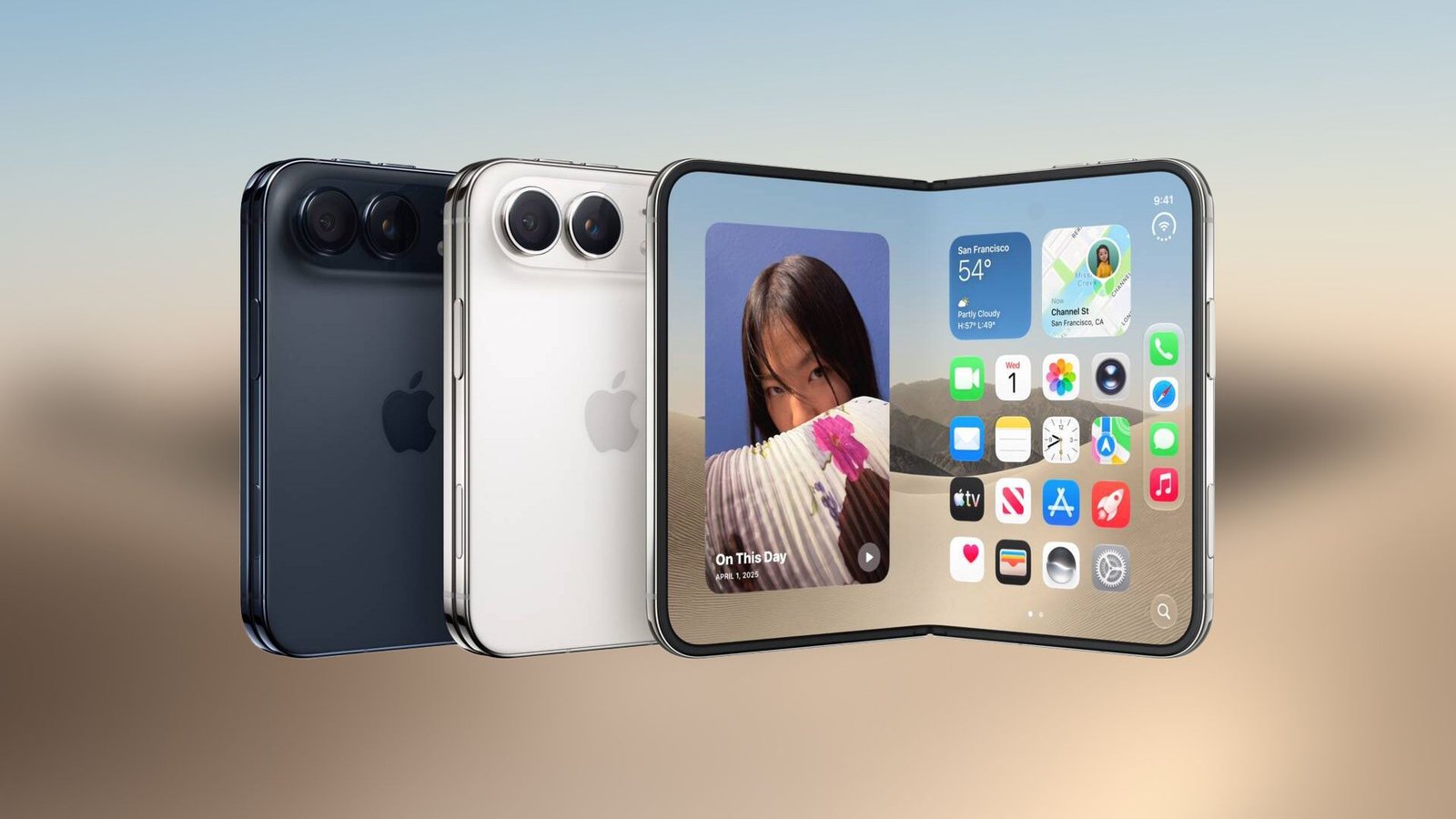
The iPhone Duo enters the market as Apple’s inaugural entry into the foldable smartphone category, carrying a premium price tag of $1,999. Given the significant investment required for this device, the personalized startup experience serves to reinforce the high-end nature of the hardware. The device distinguishes itself with a unique 1:1.4 aspect ratio, a deliberate design choice that aligns closely with IMAX’s proprietary 1.43:1 film format.
While the device introduces experimental features like Duo FaceTime and specialized Apple Pencil compatibility, it operates within a distinct tier of the product hierarchy. Technical reports confirm that the iPhone Duo is distinct from the iPhone 18 Pro lineup. It lacks specific high-end photography components, such as the 8× optical zoom found in the Pro series, as Apple prioritizes the foldable form factor and display technology over the ultra-telephoto array. This separation allows Apple to cater to users prioritizing screen real estate and innovative multitasking capabilities over the specific imaging requirements of the professional photography market.
Display Engineering and Long-Term Durability
A critical component of the iPhone Duo’s success rests on its display engineering. To address the common challenges inherent in foldable hardware, the device incorporates a matte nano-texture display. This technology is designed to serve a dual purpose: significantly reducing light reflection and glare while simultaneously minimizing the visual prominence of the crease along the fold line.
During discussions with hardware engineering leadership, Apple has expressed confidence in the durability of the folding mechanism. By utilizing advanced materials science in the display panel, the company aims to mitigate the degradation that often leads to the visibility of the hinge area over extended periods of use. The commitment to maintaining a seamless visual experience is a key part of Apple’s strategy to convince its existing user base that the foldable form factor has reached a level of maturity suitable for daily, long-term use.
Market Impact and Consumer Availability
The retail-led personalization initiative for the iPhone Duo acts as a significant incentive for consumers to visit Apple’s physical locations. In an era dominated by e-commerce, the ability to customize the software-hardware interface in person highlights the strategic importance of Apple’s brick-and-mortar footprint. By transforming the initial boot process into a personalized event, Apple reinforces the connection between the user and the premium hardware.
Pre-orders for the iPhone Duo are set to commence on October 16 at 5 a.m. Pacific Time, with official retail availability beginning on October 23. The launch will be a litmus test for the foldable market, particularly regarding whether the combination of unique hardware, such as the 1:1.4 display, and the localized personalization features can justify the $1,999 entry point. For early adopters, this level of customization represents a new standard in luxury technology, ensuring that the first moment of operation feels tailored specifically to the individual. As the technology behind the iPhone Duo continues to evolve, the ability to influence the device’s initial state may become a standard expectation for future hardware releases.
Disclaimer: This content is auto-generated for informational purposes only.
Source: Read Original News