








Google has officially confirmed the imminent arrival of the Fitbit Edge, a new addition to its wearable hardware ecosystem. Through a concise social media campaign, the company set a launch date of October 12, 2026. This announcement serves as the culmination of weeks of speculation regarding the device’s design and functionality, positioning it as a middle-ground solution between the entry-level Fitbit Air and the flagship-tier Pixel Watch 5.
Design Language and Build Quality
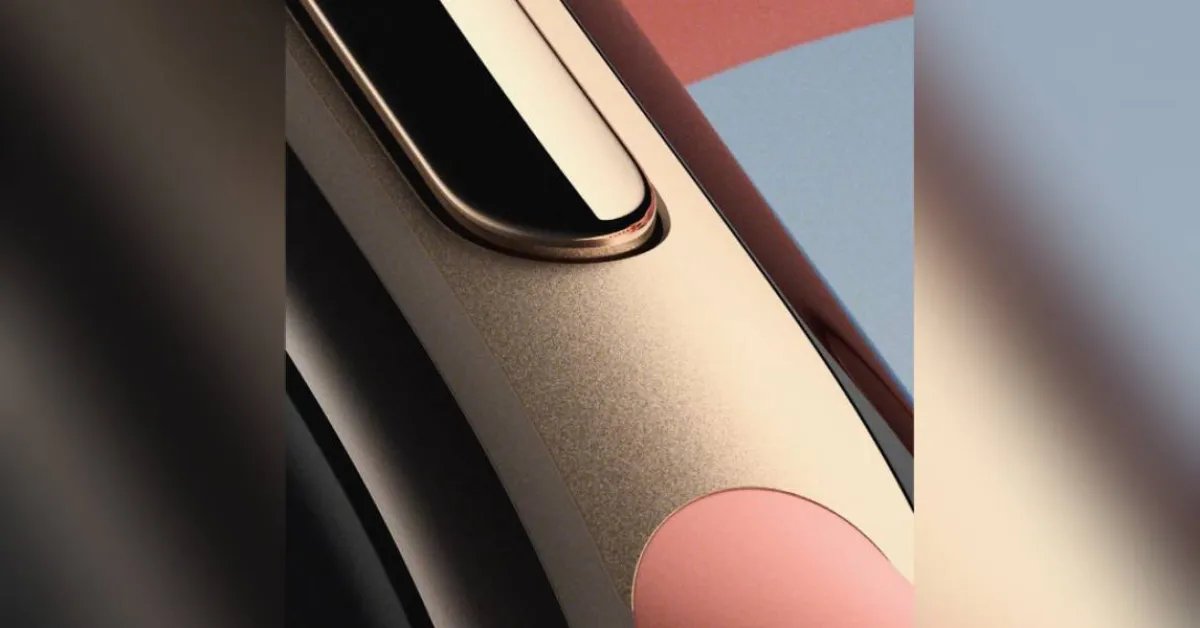
The visual identity of the Fitbit Edge marks a shift toward a more refined industrial aesthetic for the tracker series. Teaser imagery and subsequent leaks indicate a transition to a metal chassis, providing a more robust feel compared to the plastic-heavy designs of previous budget trackers. The design incorporates a “Canyon” color scheme, a signature look previously established by the Pixel Watch 5, suggesting that Google is working to unify the visual experience across its various wearable product lines.
The device features a curved glass interface that integrates into the metallic casing, emphasizing a seamless look that avoids the bulk often associated with full-sized smartwatches. By moving toward metallic materials, Google appears to be targeting users who want a device that transitions effectively from gym wear to professional settings, addressing a frequent criticism that lower-cost trackers lack durability or aesthetic appeal.
Hardware Specifications and Battery Performance
Technical expectations for the Fitbit Edge highlight a significant balance between power consumption and daily utility. Industry reports suggest that the device will support a 7-day battery life, a critical metric for a tracker that focuses on consistent health monitoring. By opting for a high-efficiency display and optimized background sensor processing, the Edge aims to minimize the frequency of charging sessions, a common pain point for users of power-hungry smartwatches.
While specific sensor arrays have yet to be finalized in documentation, the device is expected to include the foundational suite of Fitbit health tracking capabilities. This includes continuous heart rate monitoring, blood oxygen saturation tracking, and advanced sleep stage analysis. The inclusion of these sensors in a compact frame reflects ongoing improvements in miniaturized hardware, allowing the Edge to maintain a slim profile without sacrificing the data depth required for effective health analytics.
Software Integration and Gemini AI
A standout feature of the upcoming tracker is its integration with Gemini, Google’s advanced artificial intelligence model. This implementation marks a significant evolution in how trackers interact with user data. Rather than simply displaying raw statistics on a screen, the integration is expected to provide actionable, synthesized insights. For instance, the system may analyze patterns across exercise, sleep, and recovery metrics to offer personalized coaching suggestions or health trends that might otherwise be overlooked by standard algorithmic reporting.
This AI-driven approach signifies a broader strategy by Google to move health tracking from passive observation to active engagement. By leveraging Gemini, the Fitbit Edge can translate complex datasets into plain language summaries, helping users understand their progress toward specific wellness goals with greater clarity.
Market Positioning and Cross-Platform Compatibility
The Fitbit Edge is expected to retail at approximately $180, a price point that creates a clear distinction within Google’s current offerings. It sits above the screen-less Fitbit Air but remains significantly more affordable than the $400 Pixel Watch 5. This pricing strategy reflects an intent to capture the mid-range market, providing a device for users who require more feedback than a basic tracker but do not need the full application support or cellular connectivity found in a full-fledged smartwatch.
Furthermore, Google has confirmed that the Fitbit Edge will maintain support for iPhone users, a critical decision for maintaining the company’s broader market share. By ensuring compatibility with both iOS and Android ecosystems, the Edge avoids the proprietary limitations that restrict many other wearables. This hardware-agnostic approach ensures that the device can function as a central health hub, irrespective of the user’s smartphone choice, which is a key advantage for users who prioritize the Fitbit platform’s data analytics over hardware-specific operating systems.
The Impact on the Wearables Landscape
The launch of the Fitbit Edge on October 12 represents a calculated move in the wearable technology space. As consumer interest in longevity, health metrics, and device sustainability increases, the demand for mid-range trackers that offer premium build quality has surged. By streamlining its product lineup and focusing on long-term battery performance paired with AI-driven insights, Google is attempting to standardize the user experience across the Fitbit brand.
The success of the Edge will likely hinge on how seamlessly it bridges the gap between basic fitness tracking and comprehensive digital wellness. If the device achieves its reported battery life while delivering useful, intelligent health coaching through its software interface, it could redefine expectations for the sub-$200 wearable category. As the launch date approaches, the industry is watching closely to see if this iteration can successfully convert budget-conscious buyers into long-term users of the Google Health ecosystem.
Disclaimer: This content is auto-generated for informational purposes only.
Source: Read Original News