







Tensions Escalate as Rapid Action Force Deployed During CJP Protest in Capital
New Delhi — The national capital witnessed a heavy security lockdown on Tuesday as members of the Cockroach Janta Party (CJP) staged a high-decibel demonstration near the Election Commission of India (ECI) headquarters. The protestors, who have been vocal in their demands for the immediate resignation of the Chief Election Commissioner, converged on the city center, prompting authorities to mobilize the Rapid Action Force (RAF) to prevent any breach of peace.
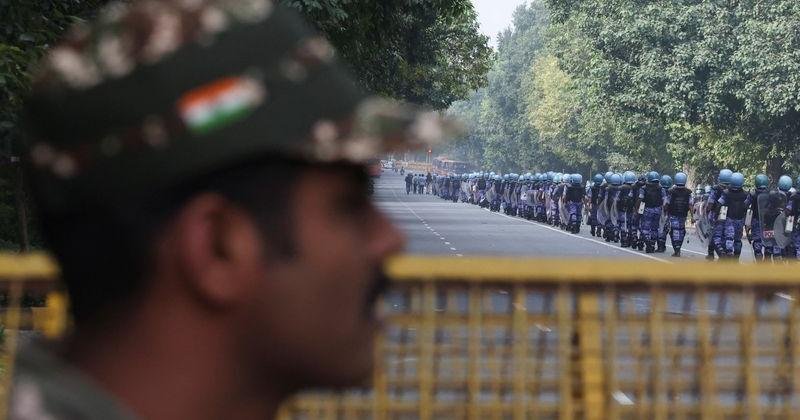
The demonstration, which saw hundreds of CJP supporters chanting slogans and carrying placards, brought traffic to a near-standstill in the surrounding administrative zones. As the morning progressed, the atmosphere grew increasingly volatile, with protestors attempting to cross barricades erected by the Delhi Police.
Security Lockdown and RAF Deployment
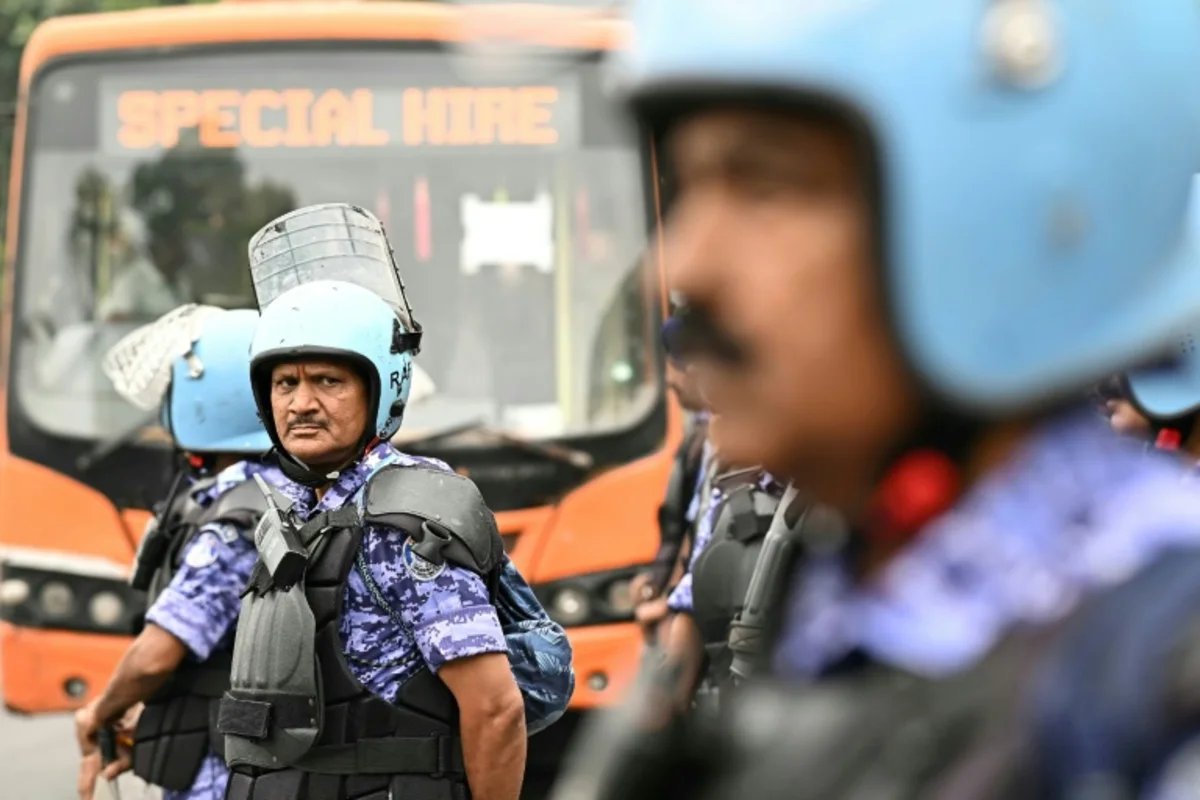
To manage the escalating crowd, the Ministry of Home Affairs authorized the deployment of the Rapid Action Force. Dressed in their distinctive blue combat gear, RAF personnel were seen patrolling the perimeter of the commission’s offices, maintaining a stoic watch as party leaders addressed the gathering. Security officials confirmed that the area was declared a sensitive zone early in the day, with multi-layered barricading and water cannons placed on standby.
“The deployment is a precautionary measure to ensure that the sanctity of a constitutional institution remains undisturbed,” a senior police official stated, speaking on condition of anonymity. “While we recognize the democratic right to protest, we cannot allow the disruption of vital public services or threats to state infrastructure.”
The Catalyst: CJP’s Demands for Accountability
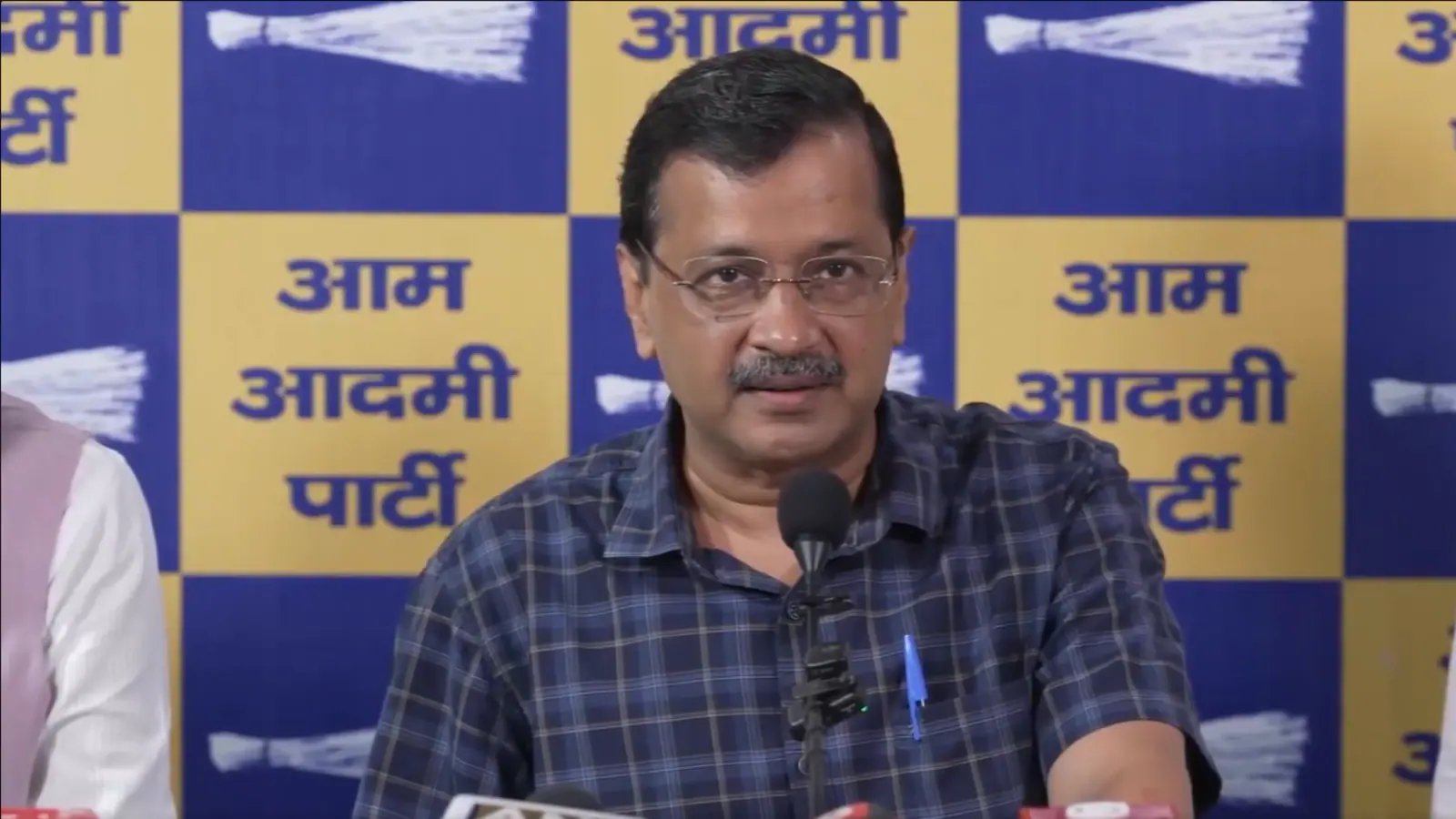
The Cockroach Janta Party has been at the forefront of a campaign questioning the procedural integrity of recent electoral roll updates. Their leadership alleges that the ECI has been “partisan” in its oversight, a charge that the Election Commission has consistently rejected in official briefings.
Addressing the crowd, a spokesperson for the CJP declared, “We will not retreat until the Chief Election Commissioner steps down. The people of this country have lost faith in the current administrative apparatus, and we represent the voice of those who demand transparency and absolute fairness in our electoral processes.”
Political Ripples and Public Impact
The protest has sparked a broader debate regarding the relationship between opposition political entities and autonomous constitutional bodies. While the ruling coalition dismissed the agitation as a “desperate political stunt” intended to manufacture a crisis, civil society groups have expressed concern over the shrinking space for dissent.
As the sun began to set, the crowd showed little sign of thinning, despite persistent appeals from local authorities to vacate the area. Traffic snarls rippled across the city, affecting commuters who found themselves trapped in gridlocks stretching for several kilometers. By late evening, the police had begun detaining several prominent CJP organizers, citing violations of Section 144, which prohibits large gatherings in the designated area.
The standoff highlights the growing pressure on India’s democratic institutions as the nation approaches a complex cycle of upcoming state-level elections. For now, the heavy presence of the Rapid Action Force remains a stark visual reminder of the thin line between political expression and public order in the heart of New Delhi.
Disclaimer: This content is auto-generated for informational purposes only.
Source: Read Original News