








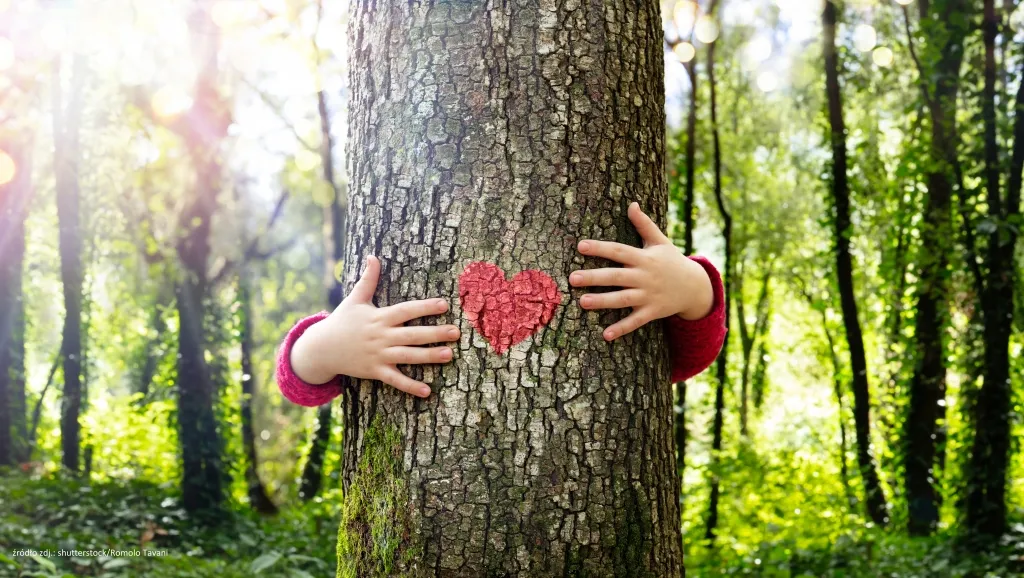
Every year on October 10, Poland observes Święto Drzewa, or Tree Day, a nationwide environmental initiative that transforms local communities into hubs of ecological action. Since its inception in 2003, the movement—spearheaded by the environmental organization Klub Gaja—has evolved from a simple planting event in Bielsko-Biała into a massive, multi-faceted educational campaign involving thousands of schools, businesses, and volunteers across the country.
The fundamental goal of Tree Day is to shift the public focus from theoretical environmentalism to concrete action. While the act of planting new saplings remains a centerpiece of the festival, the initiative emphasizes that true environmental stewardship requires a holistic approach. This includes the preservation of mature trees, the responsible management of natural resources, and the widespread practice of paper recycling.
The environmental importance of trees in this context cannot be overstated. As urban centers in Poland continue to develop, trees serve as vital infrastructure. Through photosynthesis, they sequester carbon dioxide and filter airborne pollutants, while their canopies provide essential relief during heatwaves. By shading pavement and preventing the “urban heat island” effect, trees significantly improve the livability of cities. Furthermore, their root systems stabilize soil and manage water runoff, acting as natural buffers against erosion and flooding.
Conservationists involved in the movement often remind participants that planting new saplings is not a replacement for protecting existing, mature trees. These older, larger specimens are critical to local biodiversity, offering essential habitats for birds, insects, and small mammals that younger trees cannot yet support. Consequently, the festival encourages communities to monitor the health of established trees, safeguard them during construction, and avoid unnecessary clearing.
The data behind the initiative highlights its significant impact. Over its first two decades, Klub Gaja reported that more than 780,000 participants planted over one million trees and shrubs. Equally impressive is the organization’s focus on resource circularity; by collecting and recycling over 5,700 metric tons of paper, the program has effectively saved an estimated 96,900 trees from being harvested for paper production. These figures serve as a practical demonstration of how daily habits—such as sorting waste—can complement the direct act of planting.
The modern iteration of the festival is deeply educational. Schools across Poland mark the day with nature lessons, environmental quizzes, and artistic contests, teaching children not just how to plant a tree, but how to ensure its long-term survival. Experts emphasize that the success of a planting project lies in the follow-up care: selecting the right species for the specific soil and sunlight, ensuring proper hydration in the critical first years, and avoiding unsuitable locations like those under power lines.
As the 24th edition of the Tree Festival approaches, the theme remains “Climate-Resilient.” This focus underscores the role that forests and urban greenery play in adapting to a rapidly changing climate. Whether through organized community planting or individual efforts in private gardens, the message remains consistent: trees are not merely decorative elements of the landscape, but essential components of our natural and cultural heritage. By protecting existing green spaces and responsibly planting for the future, Poland’s annual Tree Day continues to secure a healthier, more sustainable environment for generations to come.
Disclaimer: This content is auto-generated for informational purposes only.
Source: Read Original News