






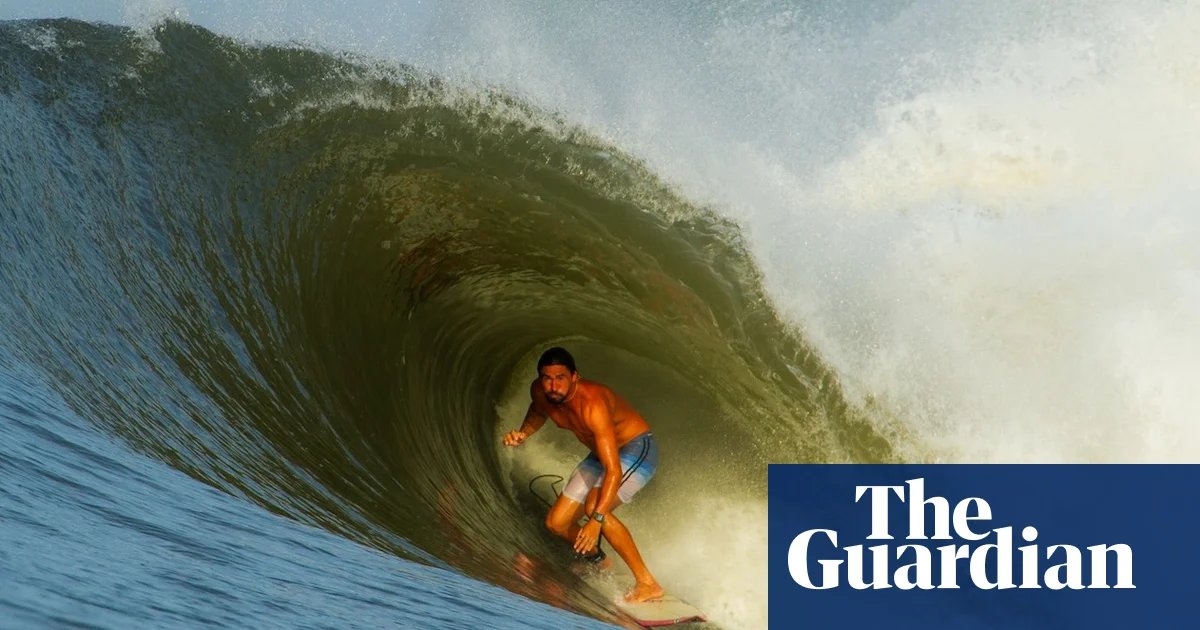
The global climate crisis is threatening to wipe out some of the world’s most iconic surf breaks, with rising sea levels and aggressive coastal development placing more than three-quarters of surveyed surf reserves at high risk.
New research, published in the journal Climatic Change, indicates that the delicate environmental conditions required to create world-class waves—a precise confluence of seafloor bathymetry, swell direction, and tidal influence—are being disrupted by global heating and human-engineered shorelines.
The study, which analyzed 57 surf breaks across eight countries, found that “hardened” shorelines—characterized by sea walls, groynes, and jetties—significantly reduce a beach’s ability to adapt to environmental shifts. While natural coastlines can often migrate inland or redistribute sediment to maintain the integrity of a break, static concrete barriers trap the ocean, leading to the erosion or total destruction of waves.
“Surf breaks are incredibly unique oceanographic phenomena—a confluence of factors that fit together just right to make the wave happen—and so those processes are really sensitive,” said Dan Reineman, an associate professor at California State University Channel Islands and a co-author of the study.
The potential loss of these natural assets carries profound economic consequences. Many communities identified in the study, ranging from North Devon in the UK to the Oriente Salvaje region of El Salvador, are heavily dependent on the surf economy. In destinations like Santa Cruz, California, surfing generates an estimated $200 million annually. For many smaller coastal towns, the surf is a year-round economic engine, drawing visitors who sustain local hospitality businesses during off-peak tourist seasons.
The report identifies several high-profile locations already under threat, including the “bombing barrels” of Croyde beach in the UK, the renowned point breaks of Noosa in Australia, and the Santa Cruz reefs, such as Sewer Peak and Wind and Sea.
Trent Hodges, a co-author of the study and senior program manager at the Save the Waves Coalition, argues that the decline of these breaks serves as a “canary in the coalmine” for broader coastal health. “Climate change will impact surf breaks all over the world in different ways, depending on their unique geographies,” Hodges said. “When a wave changes, that often means the beach is changing, and everybody enjoys the beach.”
However, the research also highlights a path forward. By leveraging the deep, generational knowledge of local surfers, researchers believe coastal managers can better protect these assets. The study encourages the adoption of policies similar to those already implemented in countries like Peru, which has enacted Ley de rompientes (the Law of the Breakers) to grant legal protection to listed surf breaks. Similarly, New Zealand designates certain waves as being of “national significance,” and the Gold Coast in Australia has integrated surf protection directly into municipal planning laws.
As global sea levels continue to rise and rainfall patterns shift sediment movement, the window for intervention is closing. The authors of the study urge local authorities to move away from rigid, traditional coastal engineering in favor of flexible, nature-based strategies that allow beaches to breathe and reform.
“Climate change and coastal management both have significant negative implications for the future viability of multiple surf breaks of global significance,” the researchers concluded. With thousands of waves around the world facing similar perils, the effort to protect these environments is not merely a matter of sporting interest, but a necessity for the survival of the coastal communities that rely on them.
Disclaimer: This content is auto-generated for informational purposes only.
Source: Read Original News