









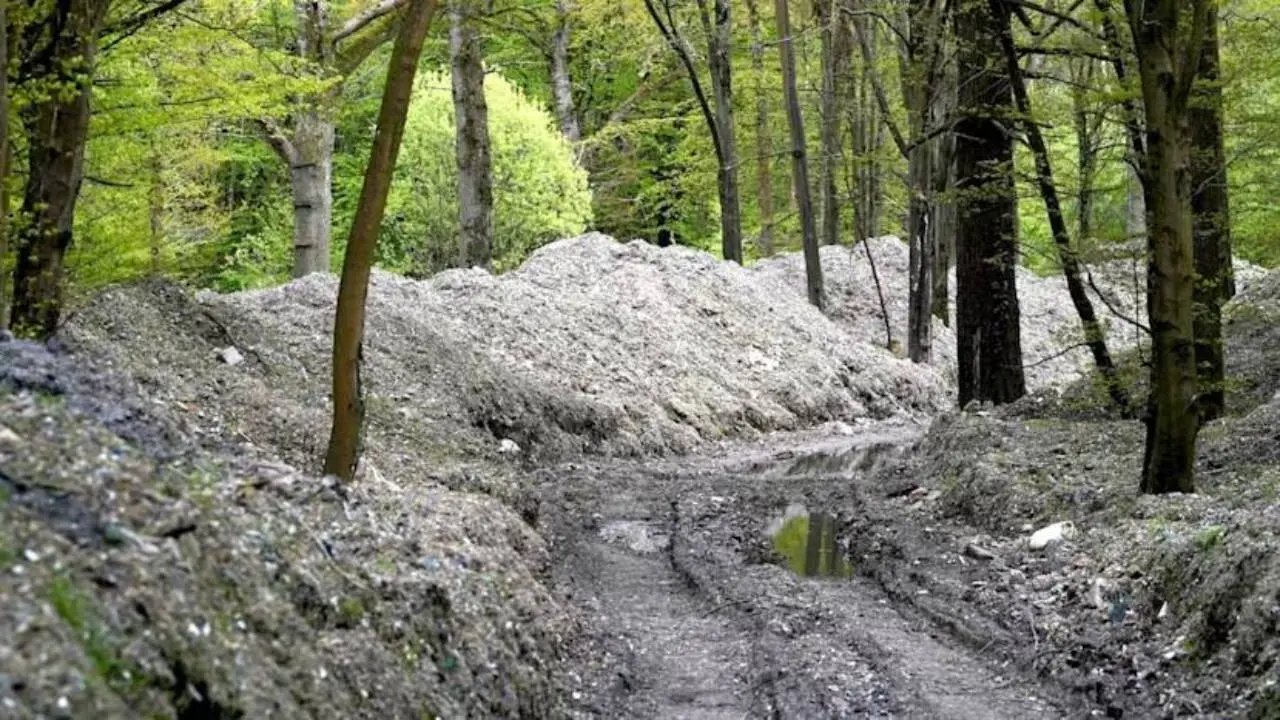
A sprawling 15-month remediation project has officially concluded at Hoad’s Wood in Kent, England, marking the end of one of the most extensive illegal waste clearance operations in the United Kingdom’s history. The Environment Agency (EA) confirmed this week that nearly 39,500 tonnes of household and construction refuse have been successfully removed from the site, which had been subjected to large-scale, organized environmental crime.
The cleanup, which comes with a staggering price tag of approximately £15.5 million, was necessitated by the severe degradation of the ancient woodland. Once a protected habitat known for its rich biodiversity and heritage, the site had been transformed into an industrial-scale dumping ground. Officials from the Environment Agency described the scale of the blight as unprecedented, noting that the volume and nature of the illegally deposited waste had fundamentally altered the landscape, threatening local flora and fauna.
The operation involved a complex logistics effort to sift through and transport thousands of tonnes of mixed materials, including plastic, metals, wood, and hazardous construction debris. The sheer magnitude of the dump meant that heavy machinery and extensive site management were required over the 15-month duration to ensure the land was stabilized and cleared without causing further ecological disruption.
“Hoad’s Wood represents one of the most severely affected waste sites our officials have ever encountered,” an Environment Agency spokesperson stated. The agency highlighted that the operation was not merely about aesthetic restoration, but a critical intervention to prevent the further leaching of potential contaminants into the surrounding soil and groundwater. By removing the waste, the EA aims to allow the natural woodland ecosystem, which includes veteran trees and established wildlife corridors, the opportunity to begin the long process of regeneration.
The incident has brought renewed national focus to the ongoing battle against “waste crime”—a sophisticated criminal activity where illegal operators bypass environmental regulations to undercut legitimate waste management costs. These criminals often identify secluded, environmentally sensitive areas to dump debris, leaving taxpayers and the state to shoulder the enormous burden of cleanup costs and remediation efforts.
While the physical clearing of Hoad’s Wood is complete, the regulatory fallout remains active. The Environment Agency and partner law enforcement agencies are continuing their investigations into the parties responsible for the dumping. Prosecuting those behind such significant environmental damage remains a priority, as authorities look to hold the perpetrators accountable for the massive public expenditure required to restore the land.
Looking ahead, the EA has emphasized that long-term monitoring will be conducted to ensure the site remains protected from future illegal dumping. This includes the implementation of increased surveillance, physical security measures to restrict unauthorized access, and continued collaboration with local landholders and law enforcement to monitor the woodland’s ecological health.
The restoration of Hoad’s Wood serves as a stark reminder of the vulnerability of protected landscapes to criminal exploitation. As the environmental community celebrates the recovery of this ancient site, the case has catalyzed calls for stricter enforcement and more robust strategies to disrupt the illegal waste trade before it can irreversibly scar protected habitats elsewhere in the country. For now, the focus shifts to the restoration of the ecosystem, as ecologists assess how best to support the woodland’s recovery following the successful removal of the massive refuse pile.
Disclaimer: This content is auto-generated for informational purposes only.
Source: Read Original News