






The Claude Opus 5.5 Decompilation Breakthrough
The landscape of software emulation and reverse engineering has shifted dramatically with the emergence of Claude Opus 5.5. This large language model has demonstrated an unprecedented ability to decompile binary files and reconstruct them into functional source code. Traditionally, the process of decompilation—converting machine-readable code back into a format that humans can edit and optimize—has been a grueling, multi-month undertaking requiring deep expertise in assembly language and architectural patterns.
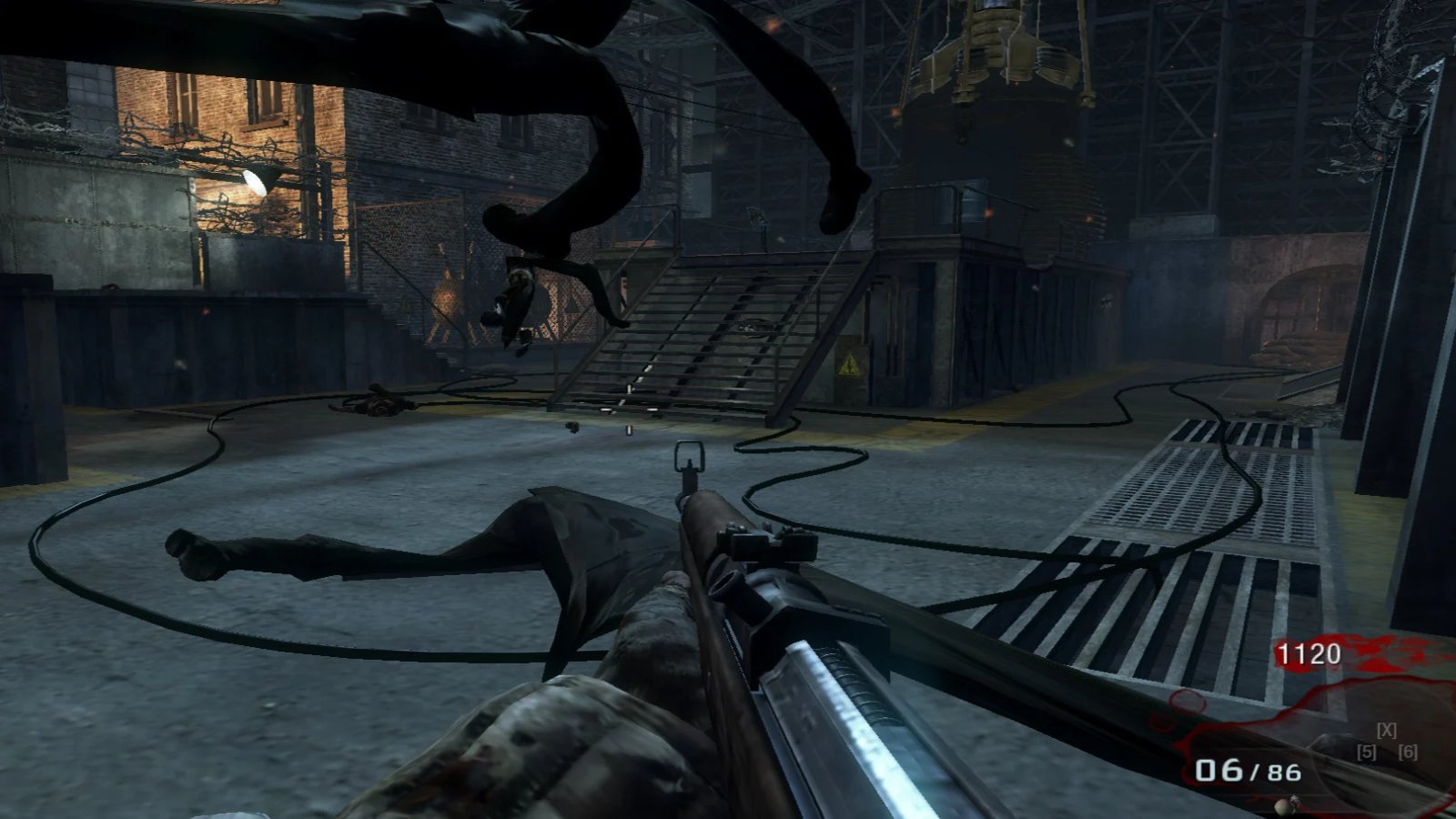
Claude Opus 5.5 has effectively automated the most tedious portions of this pipeline. By ingesting compiled executables, the model can identify logic structures, data pathways, and asset references with high fidelity. This capability has facilitated the rapid creation of browser-based ports for iconic titles from the PlayStation 2 and Xbox 360 eras. Titles such as Halo: CE, Call of Duty: Black Ops, Skate 3, and The Simpsons: Hit and Run are now appearing in web browsers, requiring nothing more than a standard internet connection to execute.
Technical Mechanisms Behind Browser Portability
The success of these ports stems from the intersection of advanced AI pattern recognition and modern web technologies. Historically, running console-native software in a browser was limited by the overhead of WebAssembly (Wasm) and the complexity of mapping low-level hardware calls to browser-native APIs.
However, Claude Opus 5.5 excels at refactoring legacy code into WebAssembly-compatible formats. Because older console architectures, such as the Cell processor in the PlayStation 3 or the custom PowerPC-based chips in the Xbox 360, possess limited memory footprints compared to modern standards, they are well-suited for translation into a browser-based environment. The model essentially translates these legacy instructions into efficient, modern code that utilizes the browser’s integrated graphics APIs, such as WebGL or WebGPU, to handle rendering.
The resulting performance is often surprising. By offloading the workload to a modern CPU and GPU through the browser’s sandbox, these games can bypass original hardware limitations. Instances of older titles running at high refresh rates—such as 240fps—are becoming common, as the engine logic is no longer strictly bound to the timing requirements of the original hardware’s clock cycle.
The Implication for Intellectual Property
The ease with which these ports are generated creates a substantial challenge for intellectual property enforcement. Traditional methods of policing copyright infringement, such as cease-and-desist orders and DMCA takedowns, were designed for a era where pirated distribution required hosting massive files on dedicated servers. In the current environment, the barrier to entry has effectively collapsed.
Because the process of decompiling and porting has been streamlined, the act of “remaking” a game has become trivial. If a publisher succeeds in shuttering one browser-based port, the underlying decompilation logic can be redeployed, modified, or re-hosted by different actors in a matter of hours. This turns legal enforcement into an ineffective exercise, where the speed at which new versions appear far outpaces the speed at which corporations can issue legal mandates. The democratization of high-end decompilation tools ensures that even if one iteration of a port is removed, the knowledge and code required to recreate it remain readily available.
Performance and User Experience
Beyond the legal controversy, the technical quality of these ports has reached a maturity that was previously impossible without official developer support. The integration of functional online servers in browser-based ports of titles like Halo: CE proves that the AI is not just translating the visual assets, but also correctly identifying and mapping networking protocols.
Latency, which has historically been the primary deterrent for browser-based gaming, is being mitigated through more efficient code paths generated by the model. By stripping away redundant legacy background processes that were necessary for the original hardware but are irrelevant in a browser, the AI creates a leaner, more performant build. Players are finding that these web-based experiences are often more stable than traditional emulation, which often requires complex configuration of BIOS files, plugins, and controller mapping.
The Future of Legacy Software
As Claude Opus 5.5 continues to be utilized for software reconstruction, the gaming industry faces a fundamental shift in how legacy titles are perceived and preserved. The traditional model of “remastering” or “porting” by publishers is being undercut by a wave of AI-assisted unofficial alternatives.
This development poses a significant question for software preservation and commercialization. If legacy software can be decompiled and injected into modern environments with minimal human effort, the market value of official “classic collections” or “remastered” editions may diminish. Furthermore, the ability for anyone to generate these ports suggests that the future of game preservation will not be controlled by the original copyright holders, but rather by whoever has access to the most sophisticated decompilation models.
While legal teams at major corporations are likely to ramp up their activities to combat this trend, the underlying technology suggests that the genie cannot be put back into the bottle. The capability to translate binary code into readable, portable, and performant web content is now a reality, forcing an industry-wide reevaluation of code security, distribution, and the definition of a “native” gaming experience.
Disclaimer: This content is auto-generated for informational purposes only.
Source: Read Original News