









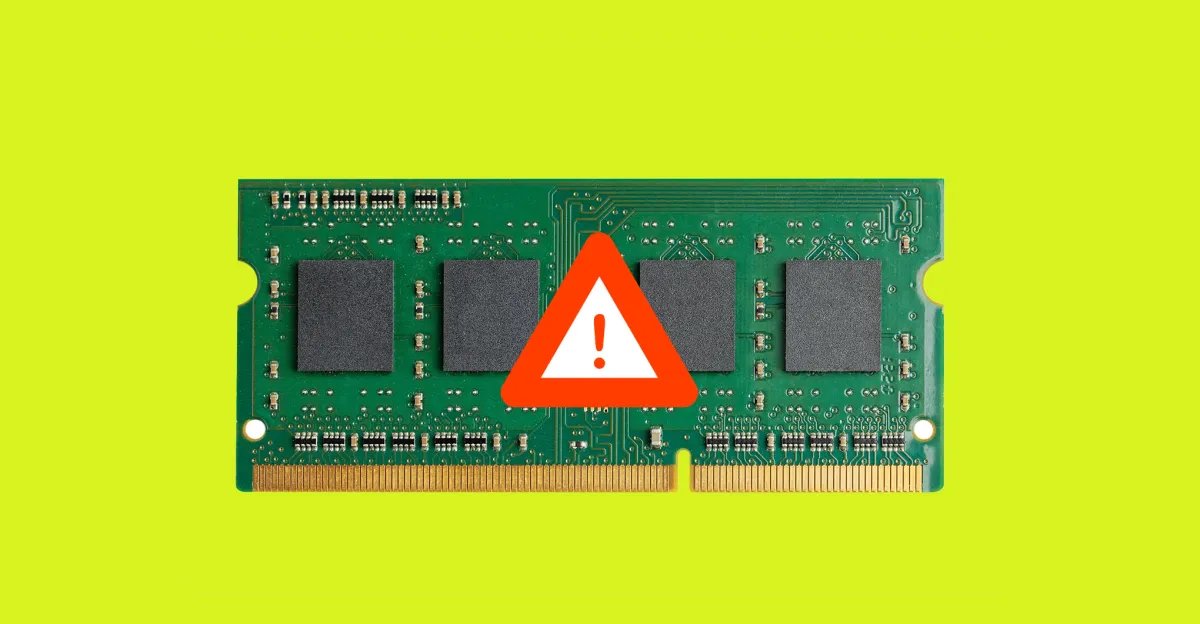
The Strategic Return of DDR4 Architecture
The landscape of personal computing hardware is experiencing an unexpected shift as leading manufacturers pivot back to legacy technologies to combat rising costs. Recent market data indicates that consumers are finding it increasingly difficult to justify the total cost of ownership when building or upgrading PCs, largely due to the persistent volatility and high pricing of DDR5 memory modules. In response, both Intel and AMD are recalibrating their product roadmaps, reintroducing support for DDR4 memory architecture within their latest CPU lineups. This movement marks a significant reversal in the standard industry trend of forcing users to adopt the newest memory standard with every platform generation.
Gigabyte has confirmed this transition by announcing that two of its new motherboard series will maintain compatibility with upcoming processors designed for the LGA 1700 socket. This socket, originally introduced in 2021 to support 12th Gen Alder Lake CPUs, was notable for its hybrid support for both DDR4 and DDR5 memory. While Intel had moved toward a strict DDR5-only mandate for its most recent architectures, the dual-format support is being resurrected for chips currently slated for early 2027. This decision reflects a pragmatic adjustment by hardware designers to ensure that new performance gains remain accessible to a broader segment of the consumer market.
The Economic Drivers Behind the Hardware Reversal
The primary motivation for this return to legacy support is the profound price disparity between DDR4 and DDR5 memory modules. While DDR5 represents a generational leap in bandwidth, power efficiency, and data throughput, the market realities of supply chain constraints have inflated its cost to levels that are prohibitive for many enthusiasts and professional users. Current price comparisons reveal that high-capacity DDR5 kits can cost more than double their DDR4 counterparts. For many builders, the performance benefits provided by DDR5 are currently overshadowed by the steep financial premium required to integrate the technology into a modern system.
Market analysts suggest that the ongoing scarcity of memory components may persist for several years, creating a long-term economic environment where cost-effective hardware remains a priority. By enabling new CPUs to utilize DDR4, manufacturers are effectively lowering the barrier to entry for system upgrades. This strategy allows users to maintain their existing memory investments or purchase mature, affordable DDR4 modules, thereby sidestepping the current inflationary trends affecting the latest memory hardware.
Expanding Lifecycle Through Platform Flexibility
AMD is mirroring this approach through its own strategic initiatives. In a move that mirrors the broader industry sentiment, Gigabyte has introduced new motherboard lines compatible with AMD’s venerable AM4 platform. This hardware support is designed to accommodate the relaunch of the Ryzen 7 5800X3D, a processor that remains highly competitive in gaming and productivity workloads despite its age. By keeping the AM4 platform alive, AMD is allowing users to extend the functional lifespan of their current systems without mandating a wholesale migration to the AM5 platform and its accompanying DDR5 requirement.
This trend of extended support for older sockets serves a dual purpose. First, it acknowledges that performance gains from newer CPU architectures are often decoupled from the specific memory standard used. Second, it provides a buffer for consumers who are waiting for the DDR5 market to stabilize and mature. The return of LGA 1700 and the continued relevance of AM4 underscore a shift in industry philosophy, prioritizing functional longevity and budget-conscious compatibility over an aggressive, forced march toward newer standards.
Technical Implications of Legacy Memory Support
Integrating DDR4 support into modern CPU designs is not without technical challenges. Modern processors are optimized for the higher clock speeds and dual-channel throughput of DDR5. To ensure stability and acceptable performance, motherboard manufacturers must carefully manage voltage regulation and trace routing to accommodate the older DDR4 signal integrity requirements alongside current processor protocols. The successful deployment of these dual-mode systems relies on sophisticated BIOS management and specialized chipsets that can translate data traffic between the CPU’s modern memory controller and the legacy DDR4 DIMM slots.
For the user, this provides a functional compromise. While system performance may not reach the theoretical ceiling offered by a full DDR5 configuration, the drop-off in real-world tasks—such as gaming, content creation, or multitasking—is often minimal. Most applications are currently limited more by CPU cycles or GPU performance than by the theoretical bandwidth overhead of memory. Consequently, the performance deficit of using DDR4 is frequently negligible compared to the massive capital savings realized by avoiding DDR5 prices.
The Future of Desktop Upgradability
The decision by Intel and AMD to revive older memory standards signals a pragmatic turn in the lifecycle of computing hardware. As the industry moves toward 2027, the focus appears to be shifting from forcing rapid technological turnover to offering flexibility that matches current economic conditions. This transition offers a clear advantage to the consumer: the ability to invest in modern processing power without the immediate pressure to discard legacy components that still possess significant utility.
As these hybrid-support motherboards hit the market, they will provide a critical bridge for users looking to maximize their hardware longevity. By decoupling the CPU lifecycle from the high-cost memory market, manufacturers are empowering users to make informed decisions based on value rather than technological mandates. In a volatile economic climate, the return of DDR4 support acts as a stabilizer, ensuring that high-performance computing remains a viable pursuit for the wider population, rather than a privilege reserved for those immune to the impact of surging component costs.
Disclaimer: This content is auto-generated for informational purposes only.
Source: Read Original News