








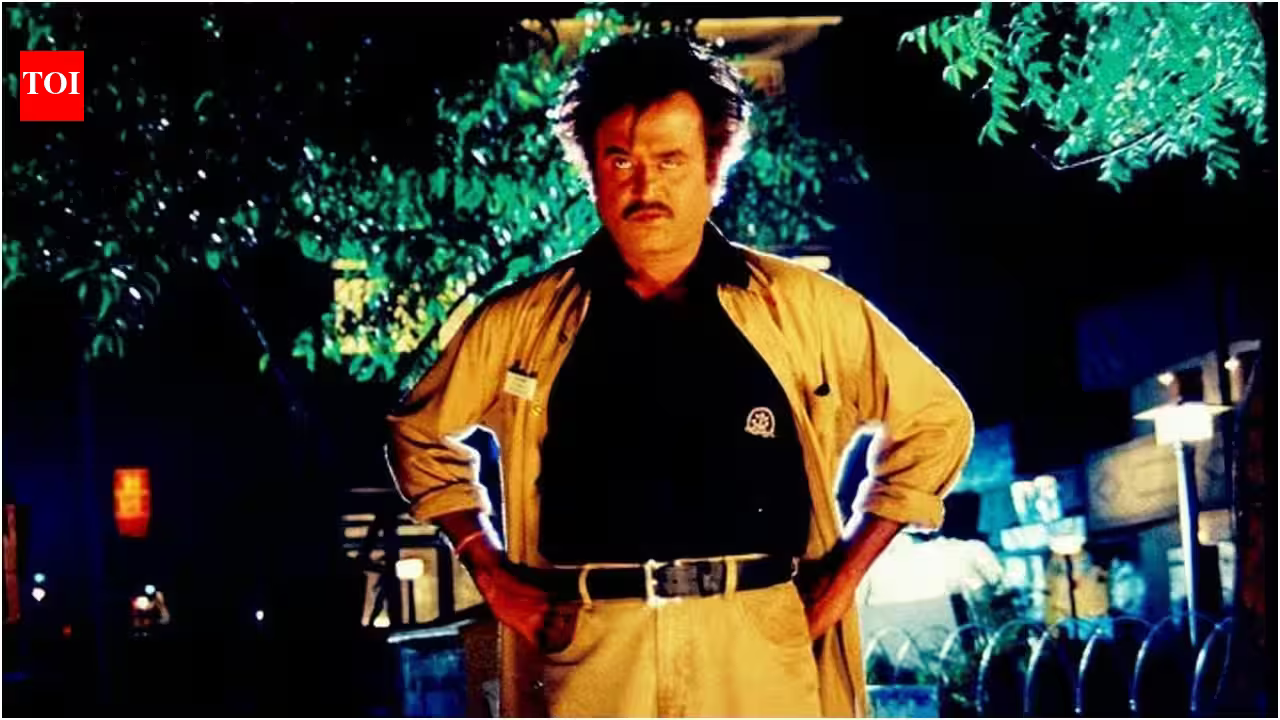
In the high-stakes world of Indian cinema, few names command the gravitational pull of Rajinikanth. When the “Superstar” speaks, the industry doesn’t just listen—it recalibrates. In a candid moment at the recent Jailer 2 pre-release event, the icon pulled back the curtain on his selective approach to franchises, revealing a philosophical resistance to the industry’s current obsession with sequels. For a man who has anchored some of the most legendary narratives in Tamil cinema, the decision to say “no” is often as important as the one to say “yes.”
The Weight of a Legacy: Why Baasha and Petta Didn’t Get a Part Two
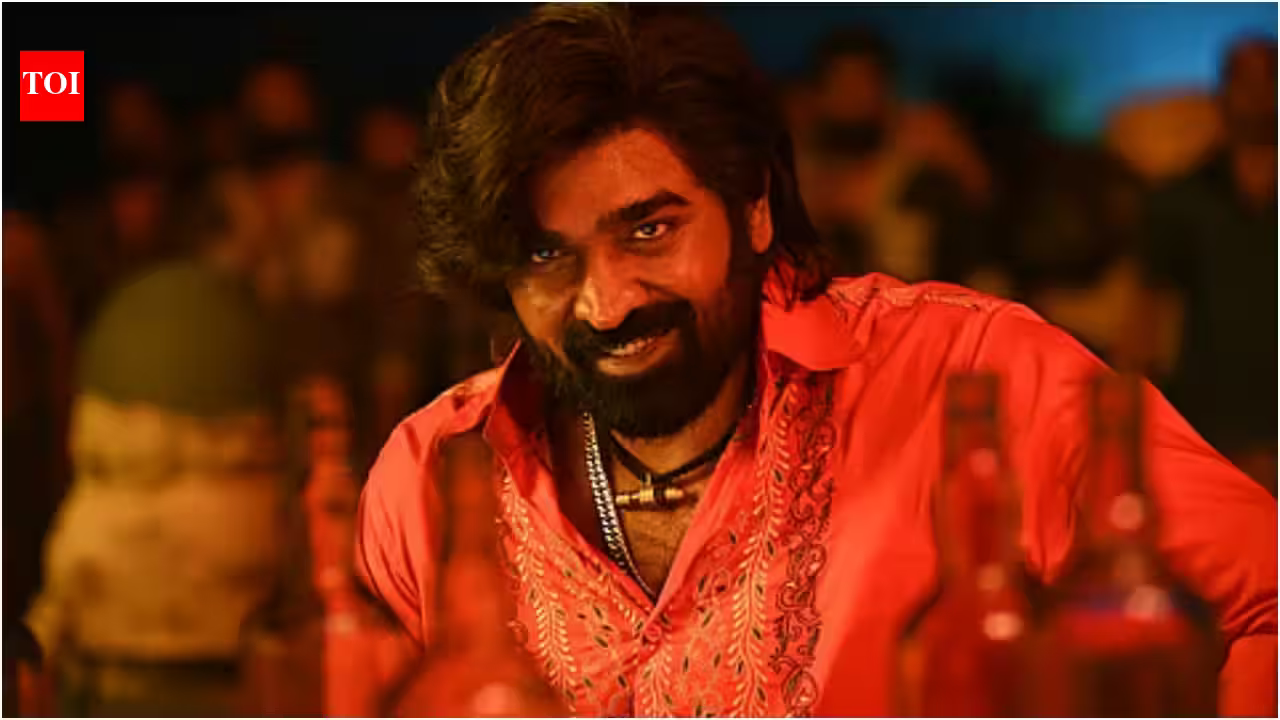
For decades, fans have clamored for a return to the gritty, underworld glory of Baasha. It is perhaps the most iconic film of his career, a touchstone of 90s cinema that defined the “mass” entertainer. Similarly, Karthik Subbaraj’s Petta offered a stylish, nostalgic romp that felt ripe for expansion, with many fans eager to see more of Vijay Sethupathi’s complex, sharp-tongued antagonist.
Yet, Rajinikanth remained unmoved. The superstar revealed that both projects were presented to him as viable franchises, but he felt a fundamental hesitation. His critique of modern sequel culture is sharp: he believes that far too often, sequels are merely “the first part with a little extra flavor.” For an actor who has spent his career defining the landscape of Tamil film, rehashing old triumphs isn’t just unnecessary—it’s a disservice to the original character. To Rajinikanth, a sequel shouldn’t be a business transaction; it must be an organic evolution, not a forced repetition of past beats.
The ‘Jailer’ Factor: Finding the Narrative Hook
So, what made Jailer different? Why, after years of turning down lucrative opportunities to revisit his past hits, did he agree to step back into the shoes of Muthuvel Pandian? The answer, according to the superstar, lies in the architecture of the screenplay.
Unlike the self-contained closure of Baasha, Jailer—directed by the visionary Nelson Dilipkumar—didn’t burn all its bridges in the finale. Rajinikanth admitted that it was only after watching the film again on an OTT platform that he truly grasped the potential for a follow-up. He pointed specifically to the film’s conclusion, where the villainous Varma mentions a vast, unseen network of criminality. That single line of dialogue wasn’t just a plot device; it was an open door. It wasn’t about “adding flavor” to a successful formula—it was about exploring an expanded universe that was already baked into the DNA of the first film. For Rajinikanth, that narrative logic provided the legitimacy needed to commit to a second chapter.
Nelson Dilipkumar’s Strategic Pivot
Behind every great franchise is a director with a vision, and in this instance, it is Nelson Dilipkumar. The director, who revitalized Rajinikanth’s box-office standing with Jailer, has become the architect of this new journey. The commitment to Jailer 2 is so absolute that Nelson reportedly shelved a planned Telugu project to prioritize the sequel.
This level of dedication speaks volumes about the creative chemistry between the actor and the director. In an industry where schedules are often fragmented and driven by logistics, this shift highlights a singular focus on quality. By centering the story around the “bigger network” hinted at in the first film, the duo is promising an expansion of stakes that feels earned rather than forced. It is a calculated risk, but one that aligns with Rajinikanth’s newfound mandate: sequels are acceptable only when the story necessitates them.
A Clear Path: The Box Office Landscape
The ripples of Jailer 2 are already being felt across the industry, even before the official release. In a classic move of “strategic distancing,” the makers of Om: Chapter 1, featuring the powerhouse duo of Dhanush and Mammootty, have opted to shift their release date. Originally slated for an October clash, the film is now reportedly eyeing a late November arrival.
This, of course, is the “Rajini Effect.” When a project of this magnitude announces its arrival, the rest of the industry tends to make room. The movement of Om: Chapter 1 is a testament to the fact that Rajinikanth remains the undisputed barometer of the theatrical market. By clearing the path, the producers of competing films are acknowledging what we’ve known for years: you don’t stand in the way of a storm unless you are prepared for the consequences.
The Future of the Franchise Model
Rajinikanth’s stance on sequels offers a refreshing perspective in an era of “cinematic universes” and endless IP farming. By being protective of his legacy, he is not just preserving his image; he is maintaining the prestige of his past works. When a Baasha 2 or a Petta 2 remains a “what if” rather than a lackluster sequel, the original films maintain their pristine status in the audience’s memory.
As we look toward the release of Jailer 2, the expectations are not just for high-octane action or signature style. We are looking for something more elusive: a sequel that actually justifies its existence. If anyone can break the “curse of the sequel” and deliver a follow-up that carries the weight and thrill of the original, it is the combination of Rajinikanth’s discerning eye and Nelson’s sharp directorial wit. The superstar has spoken, and for once, the sequel might just be as good as the original.
Disclaimer: This content is auto-generated for informational purposes only.
Source: Read Original News