







The Intersection of Microscopy and Generative AI
The field of scientific imaging has long relied on the integrity of the data captured through high-powered lenses. Nikon’s Small World in Motion competition is a prestigious platform that celebrates the intersection of art and science, showcasing the intricate behaviors of the microscopic world. However, the integrity of this scientific display was recently tested when the winning submission for the 2026 competition was disqualified due to the unauthorized use of generative artificial intelligence. The incident highlights the growing tension between advanced image processing techniques and the requirement for raw, authentic representation in scientific research and photography.
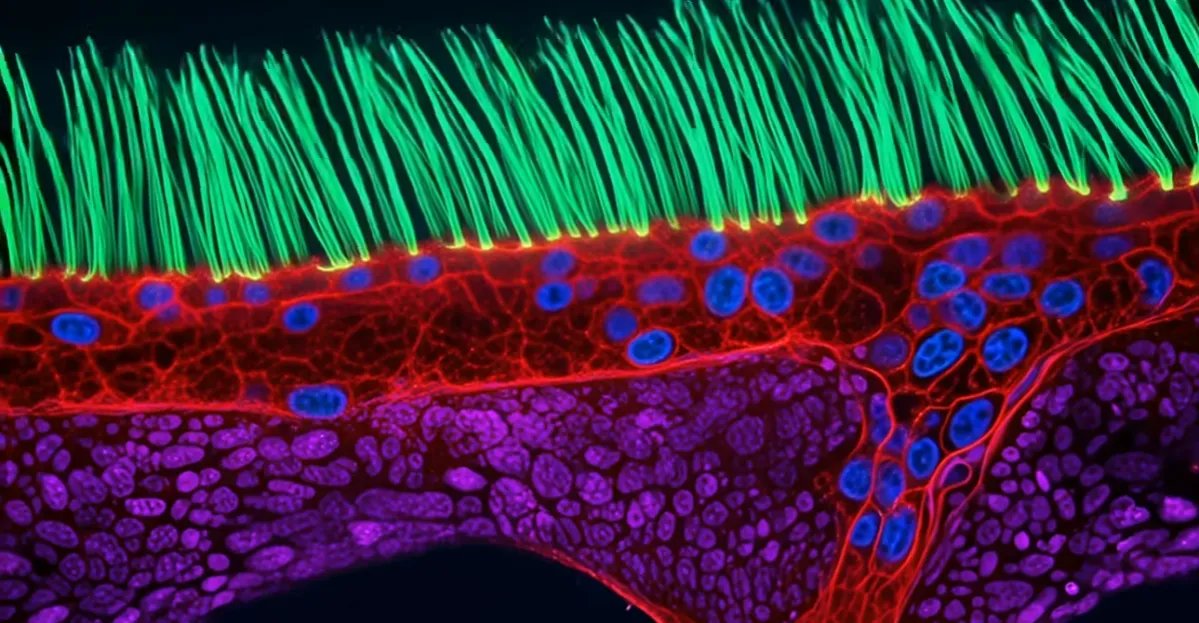
The disqualified video, which originally secured the top honor, purported to show the movement of cilia—tiny, hair-like structures—within the airway of a child suffering from Primary Ciliary Dyskinesia (PCD). The imagery was technically impressive, appearing to provide unprecedented clarity into the biomechanical deficiencies associated with the respiratory condition. However, skepticism within the scientific community regarding the visual artifacts and motion patterns led Nikon to initiate an investigation. The investigation confirmed that the entry violated established contest rules, which mandate that all submissions must be derived directly from optical microscopy without the intervention of generative AI processes.
Defining the Boundary of Post-Processing
At the center of this controversy is the distinction between legitimate digital enhancement and generative reconstruction. Dr. Ning Xu, the researcher responsible for the entry, acknowledged on professional social media platforms that an unsupervised neural network was employed to process the footage. According to Dr. Xu, the artificial intelligence was used for post-processing to distinguish and visualize features within reconstructed grayscale images obtained through super-resolution optical imaging. While such methods are becoming increasingly common in data science to denoise or sharpen medical imaging, they are fundamentally different from the observational photography that the Small World contest seeks to promote.
In scientific imaging, image enhancement typically involves adjusting contrast, color balance, or sharpness to make existing data more visible. Generative AI, by contrast, often interprets and extrapolates data based on learned patterns to fill in gaps or synthesize details that were not captured by the physical lens. When these synthetic details are presented as raw observational evidence, they compromise the scientific validity of the result. For Nikon, the disqualification was a necessary step to maintain the competition’s status as a repository of verified, observed reality rather than algorithmically generated simulations.
Consequences for Scientific Integrity
The decision to strip the entry of its title and remove it from the competition gallery serves as a significant signal to the research community. As deep-learning models become integrated into microscopes and analytical software, the line between what the lens sees and what the computer predicts is thinning. Nikon’s actions emphasize that while AI tools are valuable for analysis and data interpretation, they must not be used to fabricate visual evidence in contexts where physical authenticity is the primary metric of success.
The disqualification also forces a necessary conversation about institutional transparency. In his statement, Dr. Xu framed the use of the neural network as an aid for visualization rather than a deceitful act. This defense illustrates a major hurdle in modern scientific communication: the discrepancy between the intent of the researcher and the expectations of the public or a contest committee. Without clear guidelines that define where “assistance” ends and “fabrication” begins, researchers may inadvertently blur these lines, leading to a loss of public trust in visual scientific data.
Evaluating Future Rules and Procedures
Following the incident, Nikon has committed to a comprehensive review of its rules and evaluation procedures for future iterations of the Small World in Motion competition. This involves drafting more rigorous standards for disclosure. Future entrants will likely be required to provide detailed metadata regarding the software used to process their footage. Nikon may also implement more stringent technical audits, requiring original raw files or logs from the image acquisition process to be submitted alongside the final video.
The transition toward AI-augmented microscopy is inevitable. Modern light-sheet microscopy and super-resolution techniques already rely heavily on computational reconstruction to bypass the physical limits of diffraction. The challenge for organizations like Nikon is to distinguish between the computational math required to form an image from raw sensor data—which is accepted—and the generative models that insert pixels based on probability—which are now effectively banned in this competition. Developing a robust policy that permits essential computational reconstruction while excluding generative AI synthesis will be a primary focus for contest organizers in the coming years.
The Shift in Rankings and Scientific Precedent
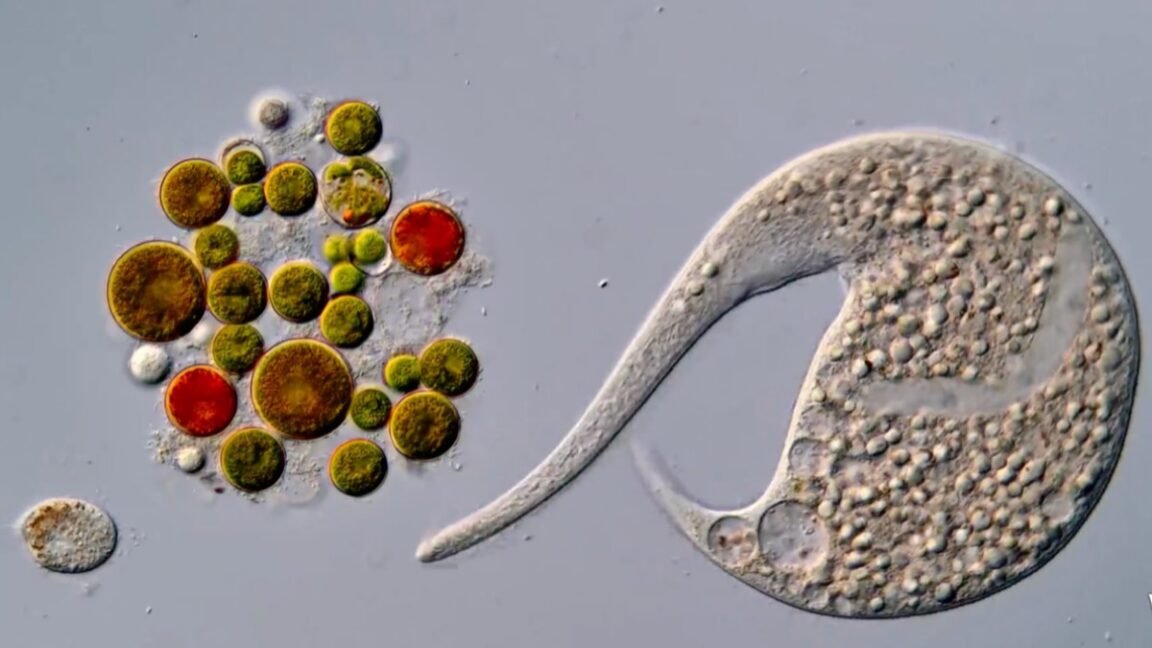
Following the disqualification, the contest committee elevated a video by Nguyen Nam Nhat to the first-place position. This entry, which captures the interaction between a microscopic roundworm and a single-celled Dileptus, stands as the new benchmark for the competition. The shift in winners serves as a reminder that the value of the Small World in Motion competition lies in the pursuit of genuine biological discovery.
The incident is not intended to reflect negatively on the professional reputation or scientific contributions of the original entrant. Nikon clarified that the removal was a policy-based decision rather than a professional condemnation. However, it serves as a cautionary tale for the broader scientific community. As AI becomes an increasingly accessible tool for every researcher, the onus remains on the individual to ensure that the images they present accurately represent the physical world. In an era where digital content can be easily manipulated, the role of scientific competitions in upholding the standard of visual evidence has never been more important. Transparency, disclosure, and a commitment to observational truth remain the cornerstones of valid scientific inquiry.
Disclaimer: This content is auto-generated for informational purposes only.
Source: Read Original News