







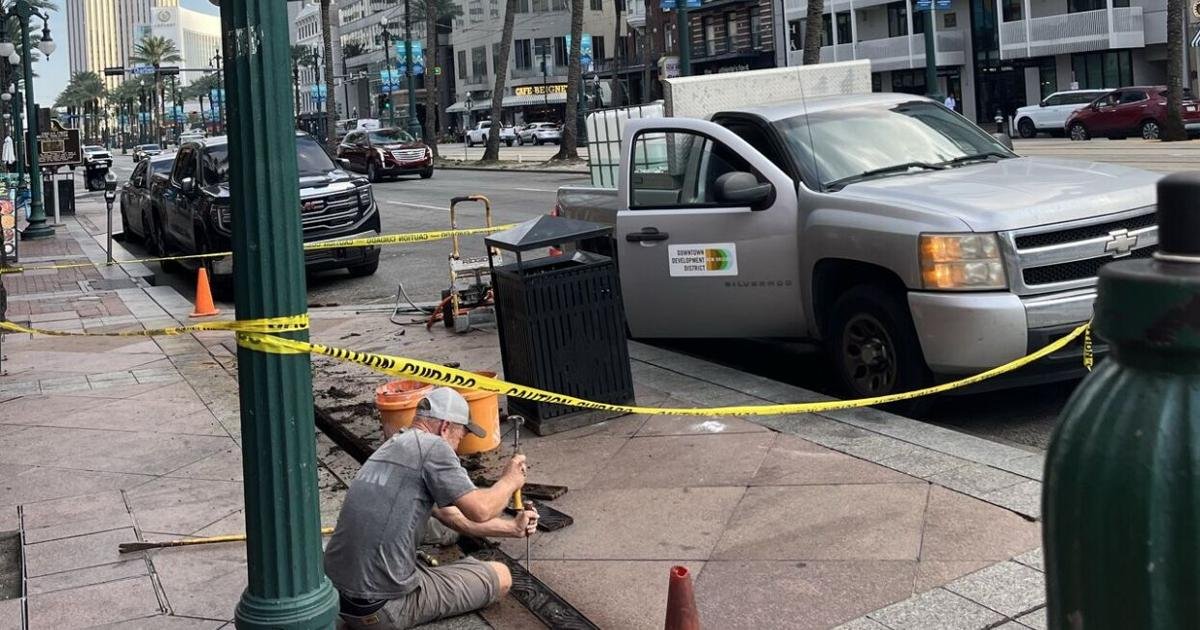
Workers revitalizing New Orleans’ historic Canal Street recently made a startling discovery that highlights the long-term neglect of the city’s major thoroughfares. While cleaning the 850-foot-long drainage troughs installed after Hurricane Katrina, crews uncovered five inches of packed soil and thriving plant life—a buildup so consistent it had been molded by the shape of the sidewalk grates above.
According to Seth Knudsen, president and CEO of the Downtown Development District (DDD), there is no record of these drainage systems ever being cleaned since their installation. Longtime local business owners corroborated this, noting they had never seen a maintenance crew open the grates in their memory. This reveal is the latest development in a broader push to modernize the corridor through the “Canal Street Renaissance Initiative,” a project now gaining momentum through closer collaboration between city hall and private development groups.
## A Data-Driven Approach to Urban Revitalization
The cleanup is only one piece of a broader, technology-heavy strategy currently being deployed to manage the city’s infrastructure. As the city looks to modernize its oversight of public spaces, the integration of digital tools and cloud-based asset management is becoming essential.
The initiative, spearheaded by city officials and Mayor Helena Moreno’s office, is not just about physical repairs like replacing granite curbs and termite bait stations. It marks a transition toward a more transparent, data-backed approach to city planning. By utilizing digital infrastructure mapping and inter-departmental collaboration, the city is attempting to ensure that “long overdue” maintenance isn’t lost in administrative backlogs. This methodology mirrors the way modern tech companies utilize AI-driven analytics to monitor system health and predict failures before they manifest as five inches of dirt in a drainage pipe.
## Leveraging Modern Tools for Public Safety
Beyond cosmetic and structural repairs, the DDD is leveraging federal support to prioritize human safety through a high-tech transportation audit. With a grant from the Federal Highway Administration, the district is hiring consultants to develop a comprehensive safety plan. This study will utilize traffic data and movement analytics to audit the city’s five most dangerous corridors.
While previous studies regarding Canal Street safety have historically languished—with some recommendations from 2018 remaining untouched—there is a renewed effort to turn static reports into actionable, funded infrastructure projects. Planners are examining digital traffic flow data to identify how to better manage pedestrian crossings and reduce fatal incidents, which have plagued the area between Convention Center Boulevard and North Claiborne Avenue for years.
## The Future of Smart Infrastructure
The “Renaissance” effort is also embracing modern urban design, including the installation of programmable LED lighting in the Molly Marine Plaza. These orbs, which can be adjusted for color, brightness, and intensity, represent a shift toward “smart” city features that serve both as artistic installations and functional public security enhancements.
For residents and visitors, these updates signal a shift away from decades of municipal inertia. As project coordinators work with city departments to align permitting and utility workflows in real-time, the project serves as a test case for how decentralized government agencies can function more like an agile, tech-forward entity. By combining the physical restoration of sidewalks with advanced lighting and data-driven safety planning, the Canal Street initiative offers a glimpse into how a historic city can leverage contemporary management strategies to solve age-old problems. The restoration project is expected to be finalized by the end of the year, providing a cleaner, safer, and more technologically integrated experience for the downtown core.
Disclaimer: This content is auto-generated for informational purposes only.
Source: Read Original News