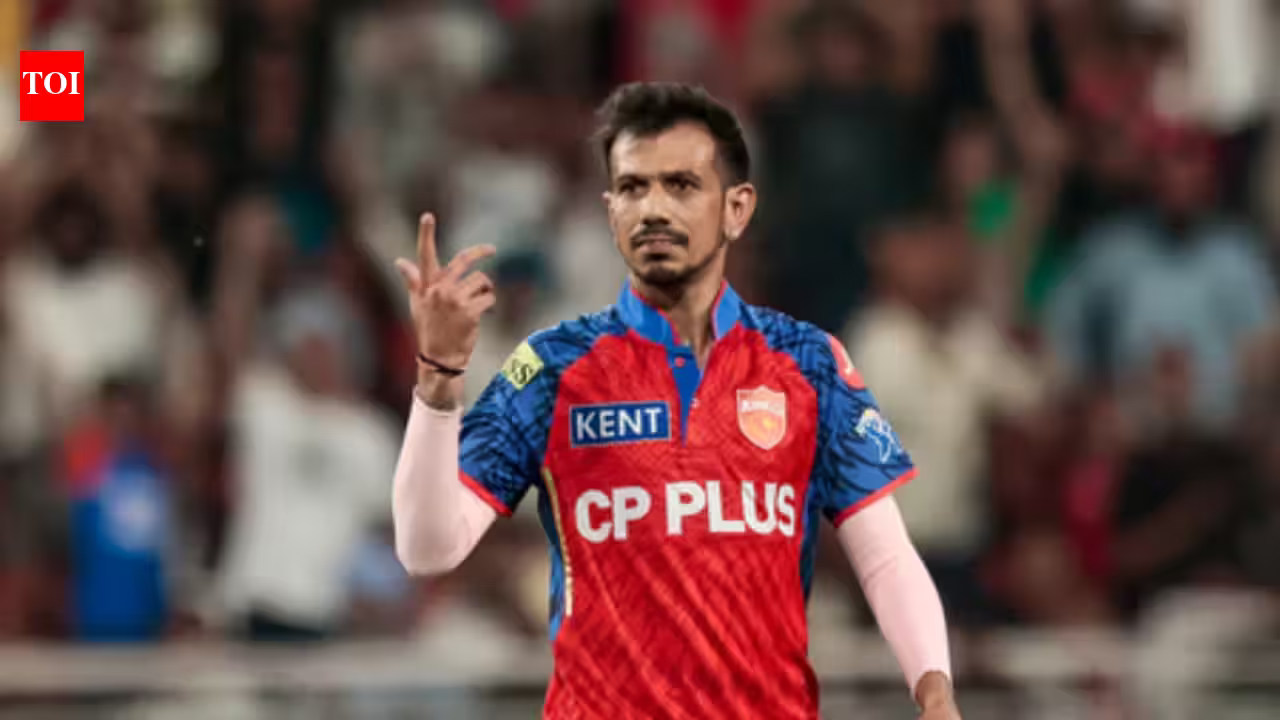








INDORE: With the 2028 T20 World Cup looming on the horizon—still more than two years away—the Indian cricket team finds itself in a fascinating transitional phase. Far from resting on their laurels, the team management is treating this period as a vital laboratory, testing personnel and tactical versatility to ensure the “Final 15” that travels to Australia and New Zealand is perfectly calibrated for the unique conditions of Oceania.
As the current five-match series against the West Indies rolls into its decisive stages, followed immediately by a challenging tour of New Zealand, Head Coach Gautam Gambhir has made it clear: the blueprint for 2028 is currently being drafted. While the ODI World Cup remains a priority on the immediate calendar, the relentless churn of T20I cricket provides a high-stakes environment for players to either cement their legacies or watch their aspirations fade.
The Opening Conundrum
At the top of the order, while Abhishek Sharma has managed to secure his standing with a string of promising displays, the narrative surrounding his partner is far more volatile. Sanju Samson, a perennial figure of discussion, remains under the microscope. Every innings is a referendum on his international future, with young challengers like Vaibhav Sooryavanshi breathing down his neck. Sooryavanshi’s rapid ascent in domestic circles has made him a constant threat to the status quo.
However, Samson proved his mettle during the second T20I against the West Indies, delivering a scintillating 82 off 41 balls that silenced his detractors—at least for the present. Adding another layer of intrigue is Yashasvi Jaiswal. The explosive opener is actively refining his wicketkeeping skills, clearly signaling an intent to provide the team with the tactical flexibility that modern white-ball cricket demands, making him a potential multi-purpose asset for the selectors.
Middle-Order Evolution
Tilak Varma’s journey in the side serves as a testament to adaptability. Once frustrated by being shuffled between the No. 5 and No. 6 slots, Varma has embraced the role with a maturity that belies his age. His recent performances—including an unbeaten 51 in the Asian Games gold-medal match and a blistering 44 off 18 in Ranchi—have been clinical. More importantly, he has effectively addressed concerns regarding his strike rate, proving that he can accelerate with the urgency required in the death overs.
The All-Rounder Battle
The competition for the seam-bowling all-rounder slot is perhaps the most intense battle within the squad. It is a straight shootout between the power-hitting Shivam Dube and the technically sound Nitish Kumar Reddy. The equation is complicated by the fitness of Hardik Pandya; should the talisman return to full fitness, the team may only have room for one of these two.
Reddy has emerged as a serious contender, boasting a bowling discipline that currently outshines Dube, who faced a difficult outing in Ranchi where he conceded 30 runs in two overs. With Reddy’s batting output trending upward, the Hyderabad youngster is positioned to be a breakout star if he can secure a spot in the playing XI for the remaining matches.
Bolstering the Pace Battery
Looking toward the 2028 landscape, the management is casting a wide net to find partners for established frontline pacers Jasprit Bumrah, Arshdeep Singh, and Harshit Rana. Mayank Yadav has already made a splash with his raw, high-velocity spells, and his Lucknow Super Giants teammate Prince Yadav is chomping at the bit for an opportunity. The return of the experienced Bhuvneshwar Kumar for the New Zealand tour adds an element of veteran stability to this mix, creating a healthy tension between youthful fire and seasoned precision.
In the spin department, the value of the “batting all-rounder” remains paramount. Axar Patel and Washington Sundar are currently leading the race, providing essential balance that allows the team to bat deep. Kuldeep Yadav and Ravi Bishnoi remain in the fray, though they will need to demonstrate consistent match-winning spells to keep the spin-bowling slots locked down.
The Indore Run-Fest
As the focus shifts to the Holkar Stadium in Indore, the conversation has turned toward the surfaces on offer. Coach Gautam Gambhir has been vocal about his frustration regarding the recent “batting paradises” that have dominated the series, noting that such conditions risk turning the sport into a one-sided affair. Following a high-scoring encounter in Ranchi—where the West Indies completed the second-highest successful chase in T20I history—Gambhir cautioned that the current pitch standards are putting bowlers in a position where their careers are effectively being jeopardized.
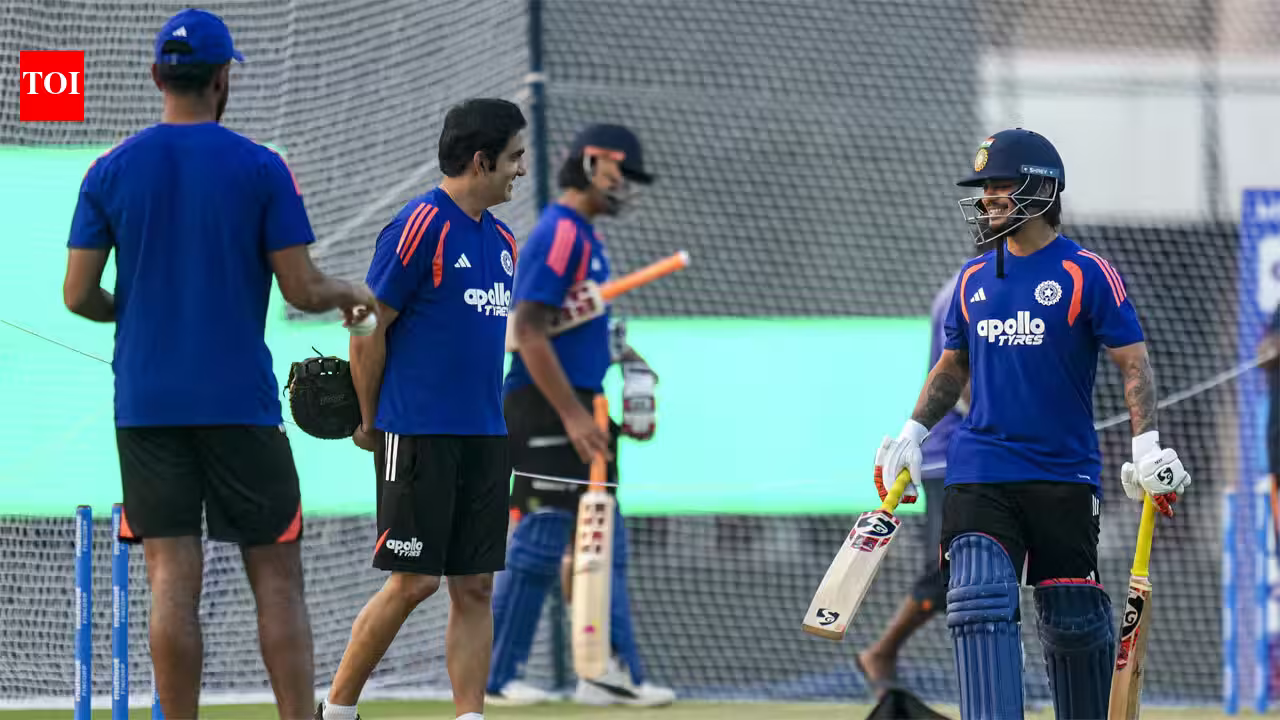
The forecast for the third T20I in Indore is, unfortunately for the bowlers, much of the same. Known for its flat track and notoriously short boundaries, the Holkar Stadium is a venue where massive totals are not just possible, but expected. With heavy dew anticipated to dampen the ball and make life miserable for the bowlers, the ground staff and the management are preparing for another high-scoring, high-pressure clash. Gambhir and his support staff were seen conducting a deep, contemplative inspection of the surface shortly after their arrival, signaling that while the team is ready to play, the tactical preparation for these extreme conditions is far from over.
As the players take to the field on Sunday, they do so with the knowledge that in the race for 2028, every run scored and every wicket taken is a data point in a long, complex audition for the ultimate prize.
Disclaimer: This content is auto-generated for informational purposes only.
Source: Read Original News