





Tensions Escalate in Delhi as ‘Cockroach Janta Party’ Protesters Detained
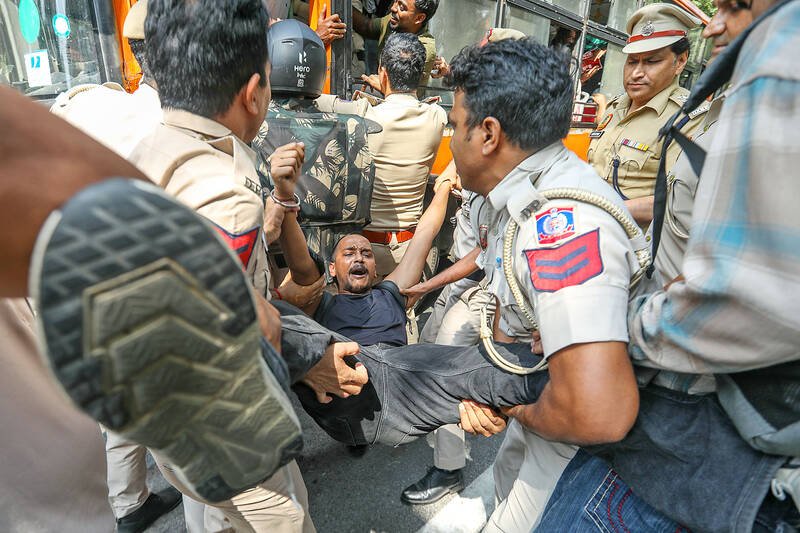
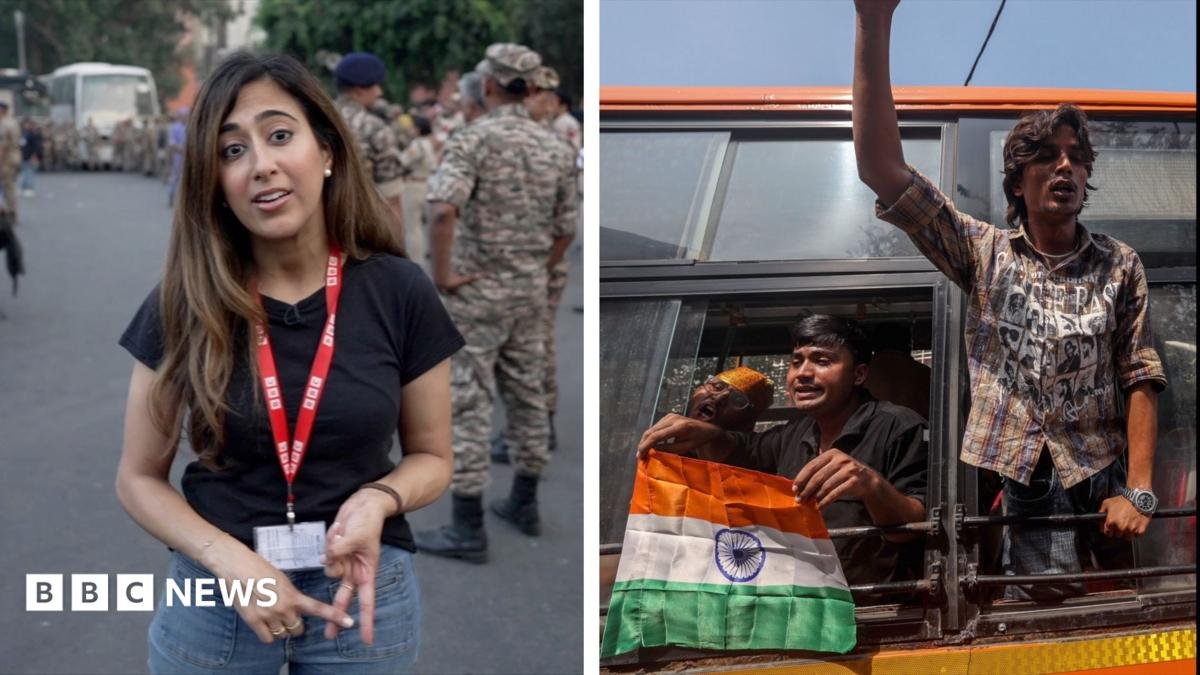
NEW DELHI — The streets of the national capital turned into a site of high-stakes confrontation on Tuesday as the newly formed Cockroach Janta Party (CJP) defied official prohibitions to hold a mass anti-government demonstration. The atmosphere in central Delhi was thick with tension as security forces moved to preemptively clear protesters, leading to the mass detention of the party’s leadership and its cadres.
A Controversial Movement Gains Momentum
The CJP’s rise has been as unconventional as its name. The movement finds its origins in a simmering public grievance dating back to May, when a series of remarks from India’s Chief Justice sparked widespread outrage among the nation’s youth. During a judicial proceeding, the Chief Justice drew a controversial comparison, likening segments of the country’s unemployed young population to “cockroaches.”
While judicial officials later clarified the context of the remarks, the comment struck a nerve in a country grappling with significant youth unemployment. For many young graduates, the term was perceived as a dismissive jab at their struggle for dignity and stable livelihoods. Seizing on this perceived slight, activist Abhijeet Dipke founded the Cockroach Janta Party, adopting the slur as a symbol of defiance and a rallying cry for a movement centered on economic opportunity.
Security Crackdown in the Capital
Anticipating that the demonstration could lead to large-scale disruptions, the Delhi Police issued a formal denial of permission for the event. In a massive display of force, tens of thousands of security personnel were deployed across the city, effectively turning key transit hubs and arterial roads into fortresses. Multiple areas were heavily barricaded, and police maintained a strict perimeter to prevent large groups from converging on designated rally sites.
Despite the heavy presence of police and the explicit ban, the CJP maintained that their constitutional right to protest remained paramount. The party leadership had insisted throughout the week that they would proceed with the march, setting the stage for the inevitable clash with state machinery.
Dramatic Arrests and Social Media Outcry
The confrontation began early in the day as party founder Abhijeet Dipke arrived in the capital. Within moments of his touchdown, he and several prominent party leaders were taken into police custody.
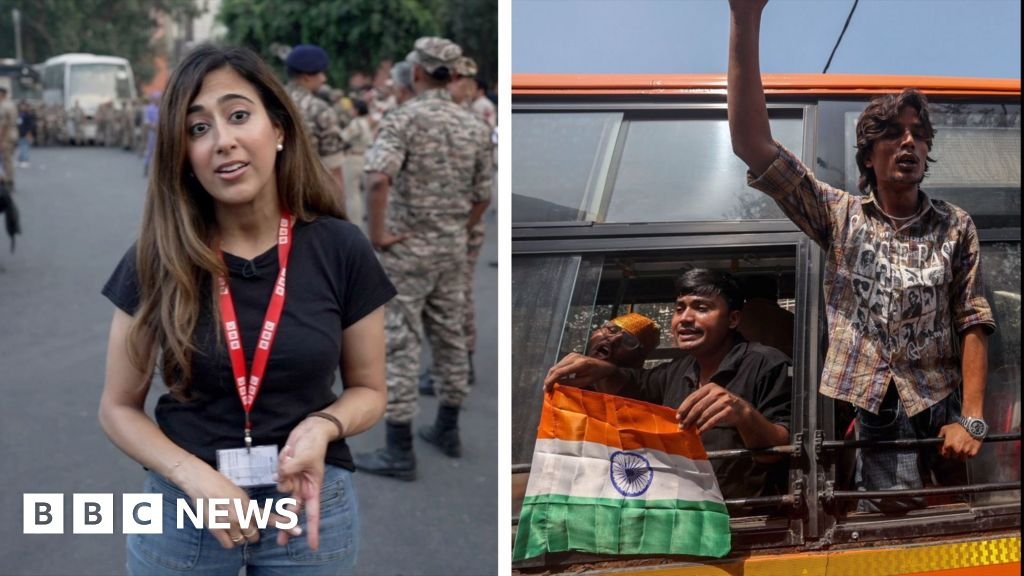
In a move intended to galvanize their supporters, the CJP’s social media team broadcasted footage of the detention process. The clips, which circulated rapidly online, showed the party founder being escorted into a police vehicle as supporters shouted slogans. As the bus carrying the detainees attempted to navigate through the cordoned-off streets, protesters could be heard slamming their hands against the windows in a desperate show of solidarity.
A Nation Watches
The incident has highlighted the deepening divide between India’s administrative establishment and a disillusioned younger generation. As the city returned to a fragile state of normalcy under the watchful eyes of security forces, the CJP’s leadership vowed that the day’s detentions would not mark the end of their struggle.
With youth unemployment remaining a pivotal electoral issue, the “Cockroach” movement has placed a spotlight on the friction between official rhetoric and the aspirations of the country’s youth. As the legal status of the detainees remains pending, the CJP has signaled that they intend to keep their protest alive, ensuring that the debate over their political identity—and the grievances that birthed it—remains at the forefront of the national discourse.
Disclaimer: This content is auto-generated for informational purposes only.
Source: Read Original News