







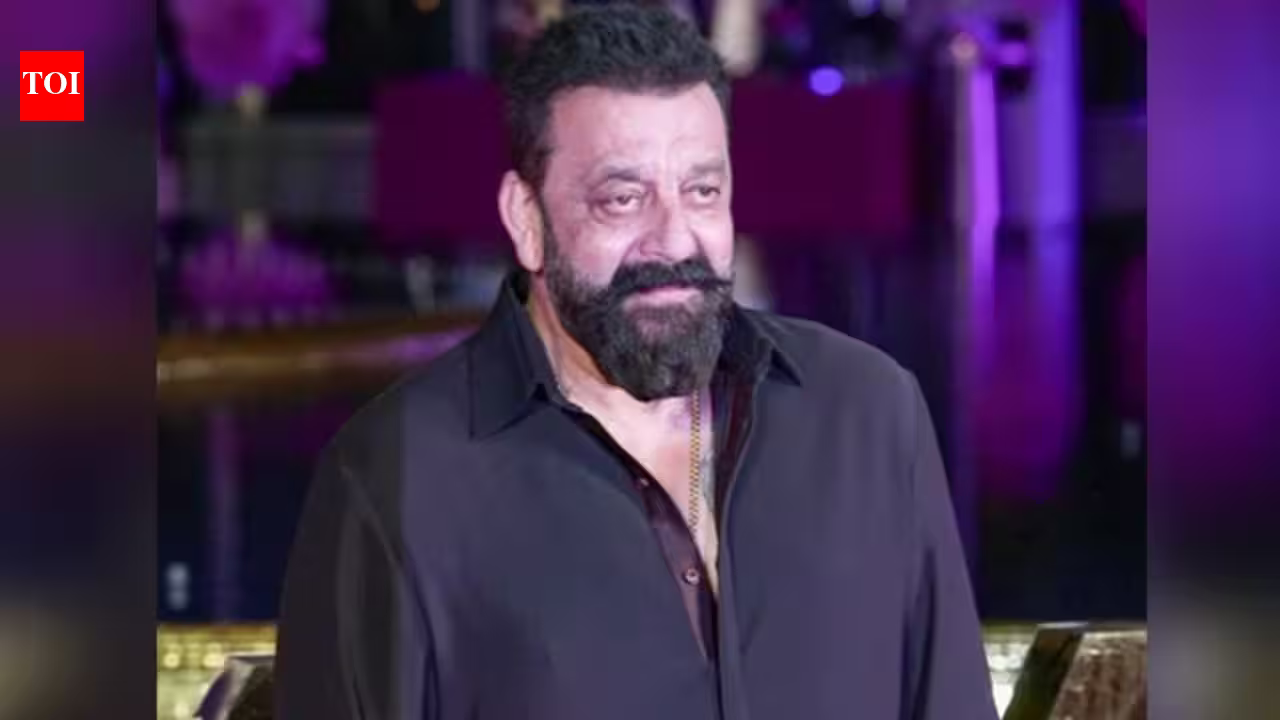
In the pantheon of Bollywood icons, few figures have walked a path as turbulent or as heavily scrutinized as Sanjay Dutt. For over three decades, his life has unfolded like a high-stakes cinematic tragedy—marked by meteoric fame, personal loss, and a legal entanglement that nearly decimated his career and his soul. Now, in a raw and unflinchingly honest conversation on Shekhar Tonite, the “Baba” of Bollywood is peeling back the layers of his most infamous chapter: the 1993 arms possession case.
The Cost of Ignoring Instinct
It is a rare moment of vulnerability for a man whose screen persona has long been built on rugged stoicism. When sitting down with host Shekhar Suman, Dutt didn’t reach for excuses. He didn’t blame the chaotic climate of post-riot Mumbai or the perceived pressures of his celebrity circle. Instead, he pointed a finger directly at the person in the mirror.
The decision to harbor an AK-56 rifle and other illegal firearms remains the defining scar of his life. Looking back, Dutt frames it as a failure of intuition. “The mistakes were mine,” he admitted, his voice carrying the weight of 24 years of litigation. “If your heart tells you something, you should listen to it.” He described the internal tug-of-war he faced in 1993, where his gut screamed for caution, but his mind—clouded by a naive sense of nonchalance—convinced him that a week of storage wouldn’t result in a catastrophe. It is a haunting reflection on how a momentary lapse in judgment can rewrite the trajectory of an entire existence.
The Heartbreak of Sunil Dutt
Perhaps the most gut-wrenching segment of the interview involves the late, legendary Sunil Dutt. For the Indian public, the image of the stoic, noble patriarch standing by his troubled son was an enduring symbol of fatherly devotion. However, the private reality was far more jagged.
Dutt vividly recalled the day the police arrived at their doorstep to place him in handcuffs. It wasn’t just a legal procedure; it was a scene of profound humiliation and agony. He watched as his father—a man of immense stature and dignity—crumbled. Seeing the elder Dutt in shock, with tears streaming down his face as he questioned the officers about their treatment of his son, left a wound that clearly hasn’t fully healed.
“I hugged him tight and told him, ‘Why are you letting these handcuffs bother you? Don’t be like that,’” Dutt recounted. It was a brave front, a desperate attempt to shield his father from the reality that his world was about to collapse. “It was killing me from the inside,” he confessed, revealing that he had to be the anchor for the man who had always been his own.
Prison: A Test of Spirit
The narrative surrounding Dutt’s time in prison has often been colored by gossip—rumors of star treatment, special privileges, and an inability to cope with the squalor of incarceration. Dutt, however, dismantles these tropes with a surprising level of grit. He tells a story of prison officials who expected the “Bollywood superstar” to wither away the moment the velvet curtains of his life were pulled back.
When he was mocked by guards—specifically regarding his loss of access to cigarettes—Dutt didn’t throw a tantrum. He simply pivoted. “Sir, I can at least get a bidi here,” he retorted. That lack of entitlement, that refusal to break under the pressure of expectation, seems to have been his survival mechanism. He explains that his calm demeanor under the harshest of conditions actually unnerved his captors. They wanted a shattered man; they got one who was profoundly grounded, unaffected by the stripping away of his fame.
Moving Beyond the Shadow of 1993
The 1993 Mumbai serial blasts remain one of the darkest chapters in Indian history. While Dutt was acquitted of the more severe charges under the Terrorist and Disruptive Activities (Prevention) Act (TADA), his conviction under the Arms Act ensured he would remain a prisoner of the system for years to come.
Following the 2013 Supreme Court ruling that upheld his five-year sentence, the actor’s surrender and subsequent time at Yerawada Central Jail became a major cultural focal point. When he walked free in 2016, the public and the media were curious about the man who emerged. Was he bitter? Was he reformed?
This recent interview suggests that he is, above all else, weary—but also enlightened. His insistence that every citizen must educate themselves on the laws of the land serves as a sobering takeaway. It is the advice of a man who spent a quarter of a century in the crosshairs of the judiciary, learning the hard way that ignorance of the law is never an excuse, and that the consequences of one’s actions, no matter how small they seem at the time, can echo for decades.
A Legacy Redefined
As the entertainment industry continues to evolve, Sanjay Dutt’s trajectory remains a cautionary tale. He has transitioned from the “bad boy” of the 90s to a survivor who has seen the absolute floor of human experience.
His honesty on Shekhar Tonite isn’t just about PR or legacy management; it feels like the final shedding of a skin. By finally acknowledging his internal discord, the pain he caused his father, and the harsh realities of his incarceration without relying on a filter of celebrity ego, Dutt is perhaps finally finding a way to make peace with his past. He is no longer just the actor who played the gangster or the action hero; he is a man who owned his mistakes, served his time, and is now, finally, talking about the person behind the headline.
Disclaimer: This content is auto-generated for informational purposes only.
Source: Read Original News