








The Evolution of PS5 Homebrew and Disc-Based Emulation
The landscape of PlayStation 5 homebrew development has undergone a significant shift with the introduction of PS5SX2 version 2.01. This updated iteration of the emulator, developed by the programmer known as Swordpdf, allows users of jailbroken PlayStation 5 consoles to interact with physical PlayStation 2 media in a way that was previously unsupported. While PS5 jailbreaking has been a point of contention between Sony and the security research community for some time, this specific release highlights a technical milestone in how modern console hardware can handle legacy software assets.
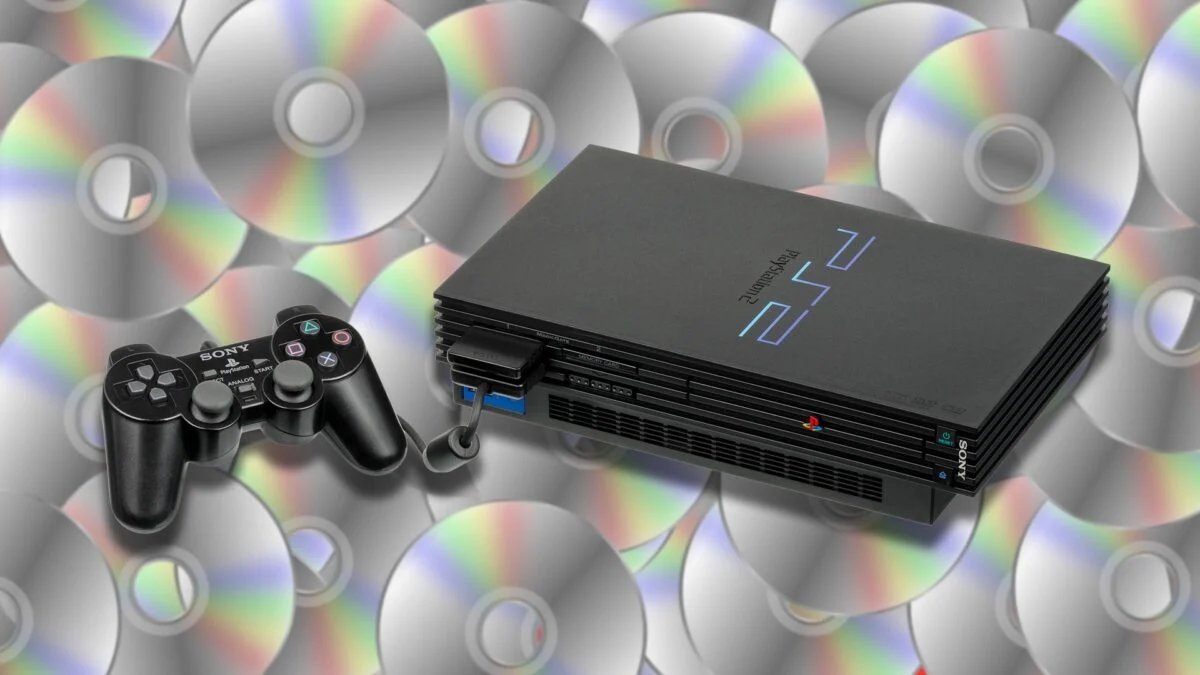
The core utility of PS5SX2 2.01 lies in its ability to interface with the PS5’s integrated disc drive to initiate a dump process. When a user inserts a compatible PS2 disc, the software automatically detects the media, transfers the game data to the console’s internal solid-state drive, and prepares it for emulation. This functionality removes the reliance on third-party digital repositories or external file transfers, effectively bridging the gap between legacy physical media and modern storage architecture. By allowing the console to serve as both the reader and the platform for execution, the developer has streamlined a workflow that previously required a personal computer for data extraction.
AI-Assisted Development in Console Emulation
A noteworthy characteristic of the PS5SX2 project is its reliance on artificial intelligence as a primary development tool. Swordpdf has explicitly documented the role of AI in the creation of the codebase, with the language model Claude listed as a formal contributor on the project’s repository. This inclusion marks a transition in the homebrew community, where complex system-level programming—traditionally requiring deep, manual expertise in low-level architecture—is increasingly being augmented by AI-generated code.
This integration serves as a case study for the effectiveness of large language models in translating technical documentation and hardware specifications into functional software. The developer’s transparency regarding the use of AI demonstrates a shift in how niche software projects are managed. By leveraging AI to parse the complexities of the PS5’s proprietary operating system and the nuances of the PCSX2 codebase, the team has managed to implement feature updates at a pace that often outstrips traditional manual development cycles, creating pressure on manufacturers to address vulnerabilities in their security protocols.
Hardware Constraints and Optical Media Limitations
Despite the capabilities of PS5SX2, the project remains bound by the inherent physical limitations of the PlayStation 5’s hardware. The optical drive installed in the PS5 is engineered to read Blu-ray and DVD formats, but it lacks the necessary laser configuration to read compact discs (CDs). This limitation serves as a strict barrier for the emulation project, as a significant portion of early-era Sony software relies on the CD format.
Because many PlayStation 2 games were released on blue-tinted CD media, and the entire library of the original PlayStation (PS1) consists of CDs, these discs cannot be read by the PS5’s drive. Consequently, users cannot use the automated disc-dumping feature for these titles. This discrepancy serves as a reminder that while software emulation can bridge generations of gaming, it is ultimately subservient to the underlying hardware capabilities of the host machine. While users may be able to find workarounds or software-based solutions for their digital game libraries, the physical disc drive remains a hardware-locked component that dictates the scope of native support.
Looking Toward PS3 Emulation and Future Projects
The momentum generated by the release of PS5SX2 has already triggered discussions regarding future developments. The developer has formally announced the inception of PS5SX3, a project aimed at achieving similar disc-dumping and emulation functionality for the PlayStation 3 library. Given the technical complexity of the PlayStation 3’s Cell Broadband Engine architecture, replicating this on the PS5 will present significantly higher hurdles than the PS2 project, which relies on more mature emulation foundations.
Furthermore, there is ongoing speculation regarding potential solutions for the CD-reading issue. While the physical laser cannot be modified, developers are exploring alternative strategies for library integration. Whether these efforts will involve external optical drives or methods to bypass drive limitations remains to be seen. The ambition to bring PS1 support to a hardware platform that is physically incapable of reading the media suggests an interest in exploring unconventional interfaces or hardware-bridging techniques.
The Broader Impact on Platform Security
The release of these tools occurs against a backdrop of intensified interest in the security of the current console generation. Recent advancements in jailbreaking, which allow users to run unofficial code on firmware versions as late as mid-2026, have created a fertile environment for projects like PS5SX2 to flourish. Sony faces the ongoing task of maintaining the integrity of its closed ecosystem, which is designed to prevent unauthorized code execution.
For the average consumer, these developments are largely restricted to a small community of hobbyists who possess the technical knowledge and hardware access required to bypass security measures. However, the impact on the industry is tangible. As homebrew developers demonstrate the ability to emulate legacy titles, it brings renewed attention to the importance of preservation and the debate over software ownership. By turning the PS5 into a comprehensive hub for older generations of games, the homebrew scene is effectively creating a customized, user-driven version of backward compatibility, one that exists entirely outside the control of the platform manufacturer.
Disclaimer: This content is auto-generated for informational purposes only.
Source: Read Original News