








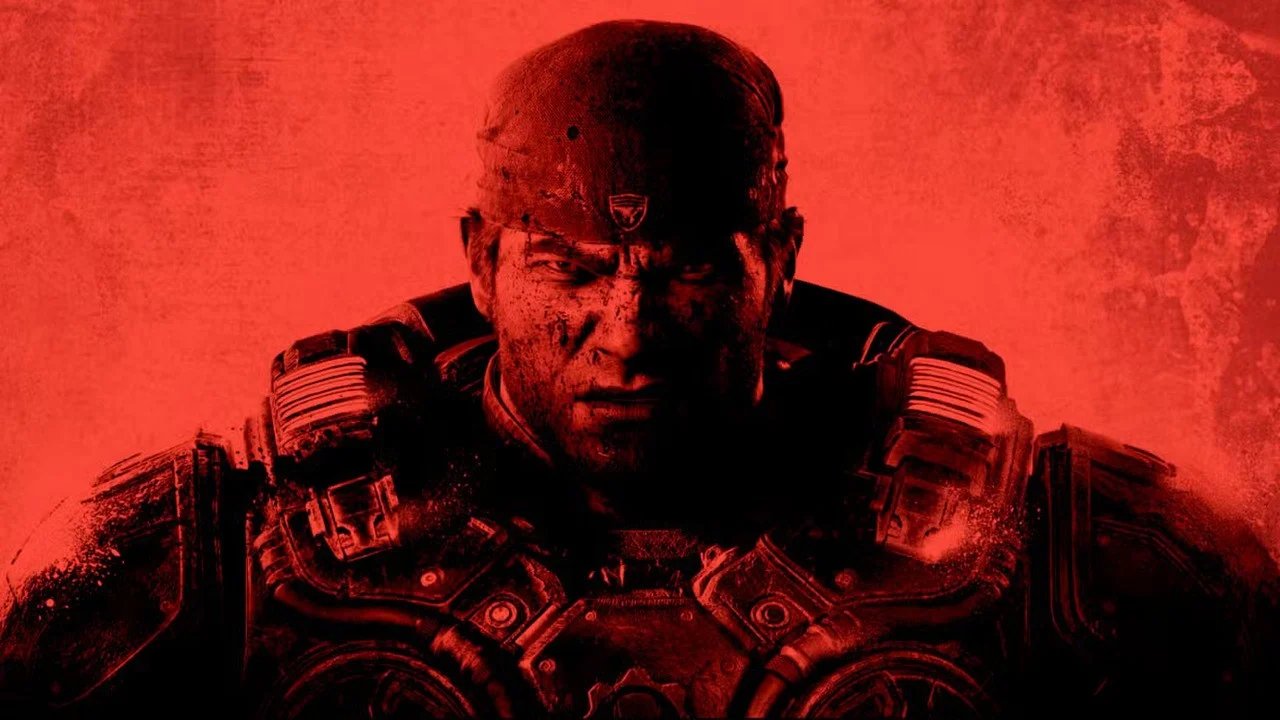
The Technical Reality of the Shelved PlayStation 5 Port
Recent reports emerging from Summer Game Fest have illuminated a significant development regarding the title Gears of War: E-Day. Evidence suggests that a fully functional version of the game, optimized for the PlayStation 5, has been completed and currently resides on internal servers at The Coalition. This development is not merely speculative; the game was previously rated for release on Sony’s hardware across multiple international regions. Furthermore, an inadvertent broadcast by Microsoft, which displayed an unedited trailer featuring the PlayStation logo at its conclusion, confirmed that the platform was a primary target during the development lifecycle.
Despite the technical readiness of this port, Microsoft’s leadership pivot toward a strategy of console exclusivity has led to the indefinite shelving of the project. This decision forces a re-examination of the company’s current distribution model, particularly as internal metrics for the Xbox release of the title appear to fall short of industry expectations for a major franchise entry.
Market Performance and Revenue Analytics
The financial landscape for Gears of War: E-Day has been brought into sharp relief by data from the research firm Alinea. According to analyst Rhys Elliott, the title has moved approximately 230,000 units across Steam and the Xbox Series X|S platforms. While precise methodological transparency remains a point of contention in such data collection, the figures serve as a proxy for the broader challenges facing high-budget titles within the current ecosystem.
Revenue distribution presents a complex narrative. While total unit sales are modest, Xbox remains the primary source of income, accounting for nearly three-quarters of the estimated $37 million generated thus far. However, a significant discrepancy exists between engagement and direct sales. Estimates indicate that 1.7 million unique users have accessed the game through Xbox Game Pass. This creates a challenging financial scenario where the platform’s most dedicated users are effectively receiving premium content with minimal per-unit contribution to the development budget, which spanned seven years of production.
The Impact of Subscription Models on Direct Sales
The performance of Gears of War: E-Day highlights the ongoing friction between the subscription-based delivery of content and the traditional retail model. In the context of Game Pass, the perceived value of a title is often decoupled from its development cost. While Microsoft has not disclosed the specific internal allocation of subscription revenue to individual titles, the current data suggests that the subscription service may be cannibalizing potential full-price sales.
This trend is corroborated by broader industry shifts. Microsoft’s recent decision to move away from day-one inclusion for titles such as Call of Duty suggests a critical reassessment of the subscription business model. When a flagship title fails to generate strong retail momentum, the reliance on subscription metrics becomes a high-stakes gamble. If the revenue generated by Game Pass does not scale proportionally with the rising cost of triple-A development, the sustainability of the day-one model comes into question.
Comparative Analysis of Platform Monetization
A critical factor in this discussion is the unrealized potential of the PlayStation 5 market. Historically, the user base on Sony’s console has demonstrated a higher propensity for purchasing titles at the standard $70 retail price point. Had the port of Gears of War: E-Day been released, it would have been subject to a 30% licensing fee on the PlayStation Store. However, the sheer volume of the addressable market, combined with the proven willingness of that audience to pay for high-end experiences, could have provided a substantial financial buffer for the developer.
Evidence for this market behavior was previously observed with the release of Gears of War Reloaded, which saw an estimated 700,000 units sold on Sony’s hardware. Even as a remastered title, this performance indicates that there is an existing demand for the franchise among users who have transitioned away from the Microsoft ecosystem. By withholding E-Day from this demographic, Microsoft has effectively opted to prioritize ecosystem loyalty over immediate revenue diversification.
Long-term Strategy and Franchise Trajectory
The critical reception of Gears of War: E-Day has been overwhelmingly positive, with many outlets providing perfect scores for the gameplay and technical execution. Nevertheless, the disconnect between these ratings and the sales figures suggests a potential plateauing of the franchise’s influence. The market for linear third-person shooters is increasingly crowded, and capturing the attention of a consumer base divided across multiple high-profile releases is an arduous task.
Microsoft faces a strategic dilemma. If current sales trajectories continue, the company must decide whether to adhere to its policy of exclusivity or to leverage the completed PlayStation 5 build to secure a broader revenue stream. As the industry moves further into the current generation, the choice to keep a finished, high-demand product off a competing platform in the face of soft sales will likely remain the subject of intense debate among industry stakeholders and investors. Whether Microsoft maintains its position or reverses course in light of these performance reports will serve as a bellwether for the future of Xbox software exclusivity.
Disclaimer: This content is auto-generated for informational purposes only.
Source: Read Original News