








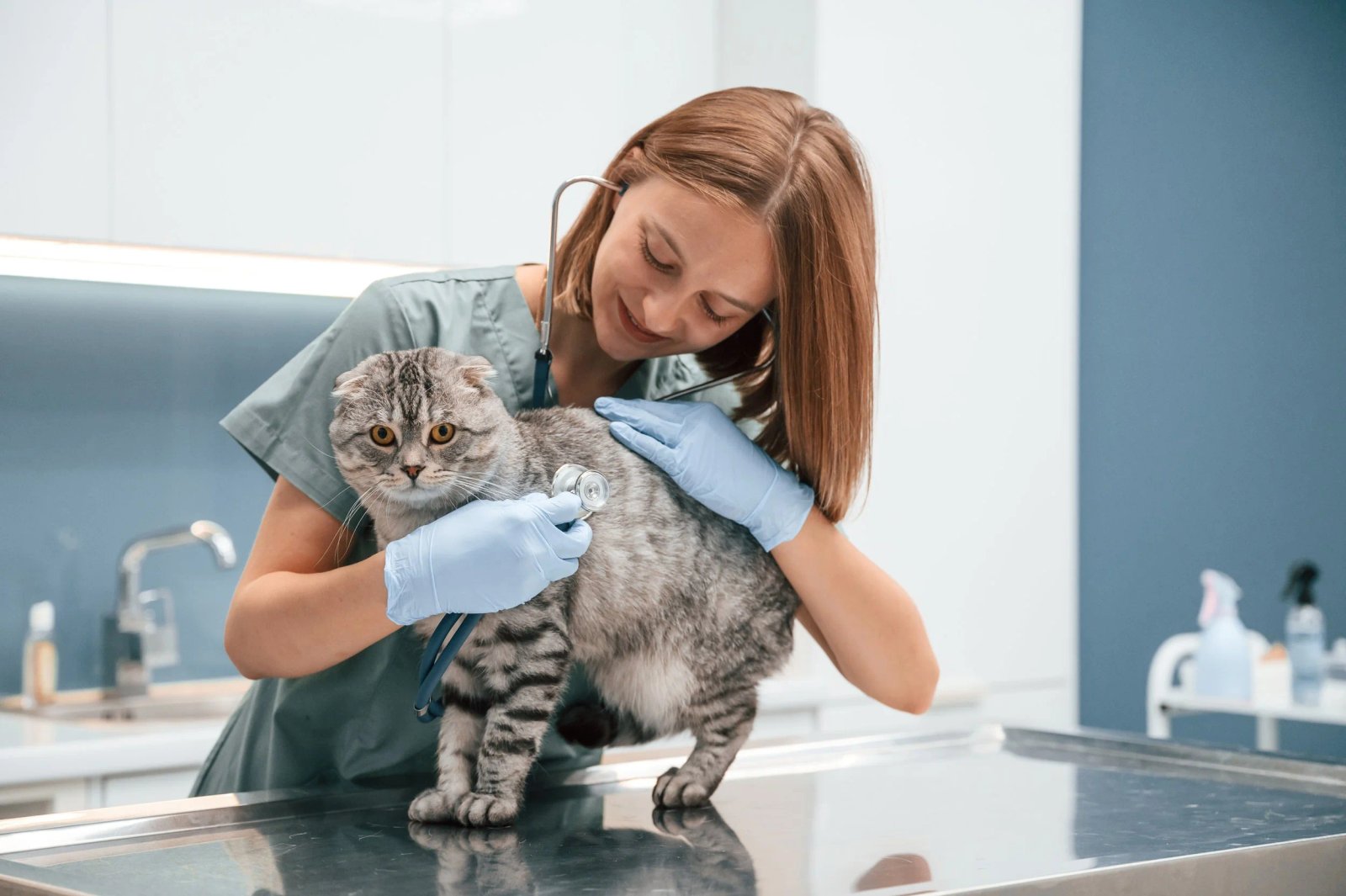
Despite the growing number of households welcoming pets into their lives, a recent report from the American Veterinary Medical Association (AVMA) reveals a shifting landscape in pet care spending. According to the 2026 Pet Ownership and Demographics Sourcebook, the average annual expenditure per pet-owning household dropped to $1,478 in 2026, down from $1,727 the previous year. As economic pressures influence consumer habits, the veterinary industry is being forced to reconsider how it delivers care, placing a premium on digital accessibility and convenience to maintain the bond between clinics and clients.
## The Digital Shift: Bridging the Gap Between Care and Convenience
While veterinary practices remain the primary destination for pet medications, they face stiff competition from a rapidly evolving digital marketplace. With nearly half of pet owners relying on their clinics for prescriptions, the data suggests that consumers prioritize seamless, modern shopping experiences. To remain competitive, veterinary clinics are increasingly adopting technological solutions that mirror the convenience of major e-commerce platforms.
By integrating AI-driven inventory management and automated refill systems, practices are working to reduce friction for busy pet owners. Modern veterinary management software now often includes features like mobile app connectivity, automated health reminders, and integrated online pharmacies that ship directly to the client’s door. These tools allow veterinarians to maintain their role as trusted medical advisors while satisfying the modern consumer’s demand for the same digital-first service they expect from retail giants. By leveraging these platforms, clinics can ensure that a recommendation made during an appointment translates into immediate, convenient action, preventing clients from drifting toward third-party alternatives.
## Data-Driven Care for an Aging Pet Population
The 2026 findings highlight a demographic shift in the pet population, with a significant number of pets reaching their senior years. With roughly 15% of both dogs and cats falling into the 10-plus age bracket, the need for chronic disease management and preventive screening is at an all-time high.
Data analytics and digital health records are becoming essential tools in managing this trend. By utilizing electronic health record (EHR) systems that trigger targeted alerts, veterinarians can better identify which senior patients are due for mobility assessments, dental care, or screenings for age-related conditions like chronic kidney disease in cats. This transition toward proactive, tech-supported wellness allows practices to build long-term relationships that extend well beyond initial puppy or kitten visits, ensuring that veterinary teams remain relevant throughout the entire lifespan of the pet.
## Moving Beyond “Average” to Personalize the Client Experience
The AVMA report underscores that there is no longer a “one-size-fits-all” pet owner. With household incomes for most dog and cat owners sitting below the U.S. median of $87,460, financial transparency has become a cornerstone of client communication. Veterinary practices are moving away from standardized care packages, instead utilizing consultation techniques that emphasize personalized, tiered treatment plans.
This shift requires a more nuanced understanding of the client’s lifestyle. Digital tools that allow for remote consultations or asynchronous communication can assist families juggling multiple pets and demanding schedules. By embracing a model that balances high-level medical expertise with flexible, tech-enabled service delivery, veterinarians can accommodate a diverse client base that is more selective than ever about how it allocates its resources. Ultimately, the data suggests that the future of the veterinary profession lies in the ability to combine traditional empathy with the modern, convenient, and data-backed services that define today’s digital-first economy.
Disclaimer: This content is auto-generated for informational purposes only.
Source: Read Original News