









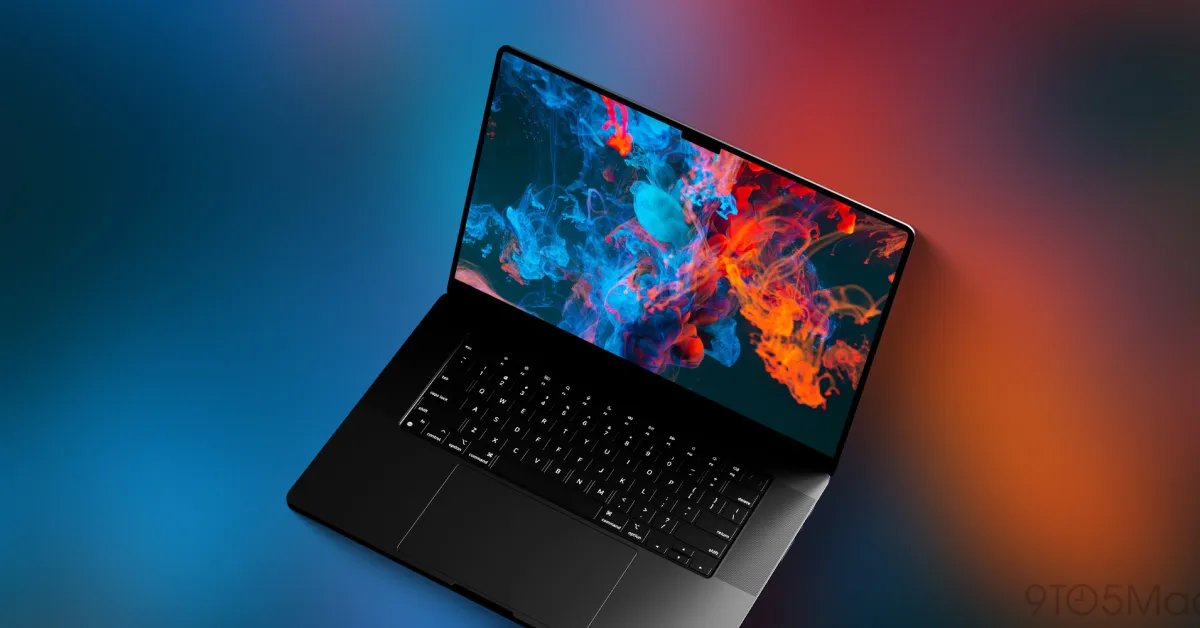
Apple is preparing a significant strategic shift for its laptop lineup, with reports indicating a major redesign is coming to the entry-level MacBook Pro in early 2027. This move follows a period of rapid internal hardware development, signaling that Apple aims to bring its most advanced chassis design and display technologies to its most accessible professional tier much faster than historical cycles have suggested.
The Acceleration of Design Parity
In previous years, Apple followed a pattern of hardware stratification where new design languages remained exclusive to premium models for extended periods. For instance, the 2021 14-inch MacBook Pro chassis took two years to reach the base-level MacBook Pro tier. The upcoming 2027 rollout breaks this convention by bringing the next-generation redesign to the entry-level model just six months after its debut in the high-end “MacBook Ultra” series.
This accelerated timeline is facilitated by a streamlined manufacturing approach and a shift in internal chip strategy. While the fall of 2026 will see the release of a standard MacBook Pro utilizing the M6 chip within the existing design, the spring 2027 update will introduce a modernized 14-inch version equipped with the M7 processor. This allows consumers to access the latest computing architecture alongside a significant physical overhaul without waiting for the next full product generation.
Hardware Specifications and the M7 Shift
The technical foundation for this 2027 refresh is the transition to the M7 silicon. Apple has reportedly adjusted its roadmap, choosing to bypass certain M6 variants for its highest-performing units in favor of accelerating the M7 platform. By deploying the M7 chip in the entry-level 14-inch MacBook Pro, Apple ensures that the base model remains performant enough to handle modern professional workloads, ranging from complex multitasking to high-resolution media editing.
The design overhaul associated with the K104 model is expected to be more than just a surface-level change. The new chassis is projected to be thinner, achieving a leaner profile while maintaining the thermal efficiency required for the M7 architecture. Coupled with the transition to OLED display technology, the updated hardware aims to provide superior contrast ratios, deeper blacks, and increased energy efficiency compared to the current liquid retina displays.
Integration of Touch and Advanced Interface Elements
A core component of the upcoming redesign is the inclusion of touch-screen functionality. While Apple has long maintained a clear distinction between the iPad and Mac interfaces, the 2027 MacBook Pro series is expected to bridge this gap by introducing touch input to the display. This adjustment is likely intended to streamline user workflows, particularly for creative professionals who benefit from direct interaction with on-screen interface elements.
Furthermore, there is increasing speculation regarding the inclusion of the Dynamic Island, a design element currently utilized in mobile devices to hide camera hardware while providing contextual notifications. Incorporating this into the laptop bezel would serve as a functional design choice, offering a space-efficient way to handle system alerts and background activities without cluttering the main workspace. This represents a continued effort to unify the design language across Apple’s entire hardware ecosystem.
Market Impact and Consumer Considerations
The broader context for these updates is a challenging memory market that has forced price increases across the PC industry. Recent trends have seen the entry-level MacBook Pro price point climb, a shift attributed to global memory supply constraints and increased production costs for high-performance silicon. By offering a redesigned M7-powered machine, Apple is attempting to deliver greater value for the investment, justifying the current pricing by providing a more modern chassis and enhanced display technology.
For potential buyers, the upcoming transition period presents a complex decision-making landscape. The existence of an M6-based entry-level model arriving in late 2026—with the older design—provides a choice for those who prioritize immediate availability over the latest aesthetic and interface improvements. However, for those willing to wait until the spring of 2027, the M7 entry-level model represents a clear technological step forward.
Future-Proofing the Entry-Level Tier
The upcoming 2027 refresh signifies a departure from legacy cycles, where base models were often relegated to “last year’s design.” By aligning the entry-level MacBook Pro with the design and chip-set advancements of its high-end counterparts, Apple is effectively future-proofing its most volume-driven professional computer. This strategy ensures that the standard user experience is closely aligned with the professional performance tier, minimizing the hardware disparity that previously existed between base and top-tier configurations.
As the industry pivots toward more integrated input methods and higher-fidelity displays, the 2027 MacBook Pro series stands to be a benchmark for how mobile workstations should evolve. With the inclusion of OLED, touch inputs, and the high-efficiency M7 chip, the upcoming model is positioned to redefine the expectations for what a base-tier “Pro” machine entails in the current hardware ecosystem.
Disclaimer: This content is auto-generated for informational purposes only.
Source: Read Original News