








The Convergence of Professional Security and Consumer Hardware
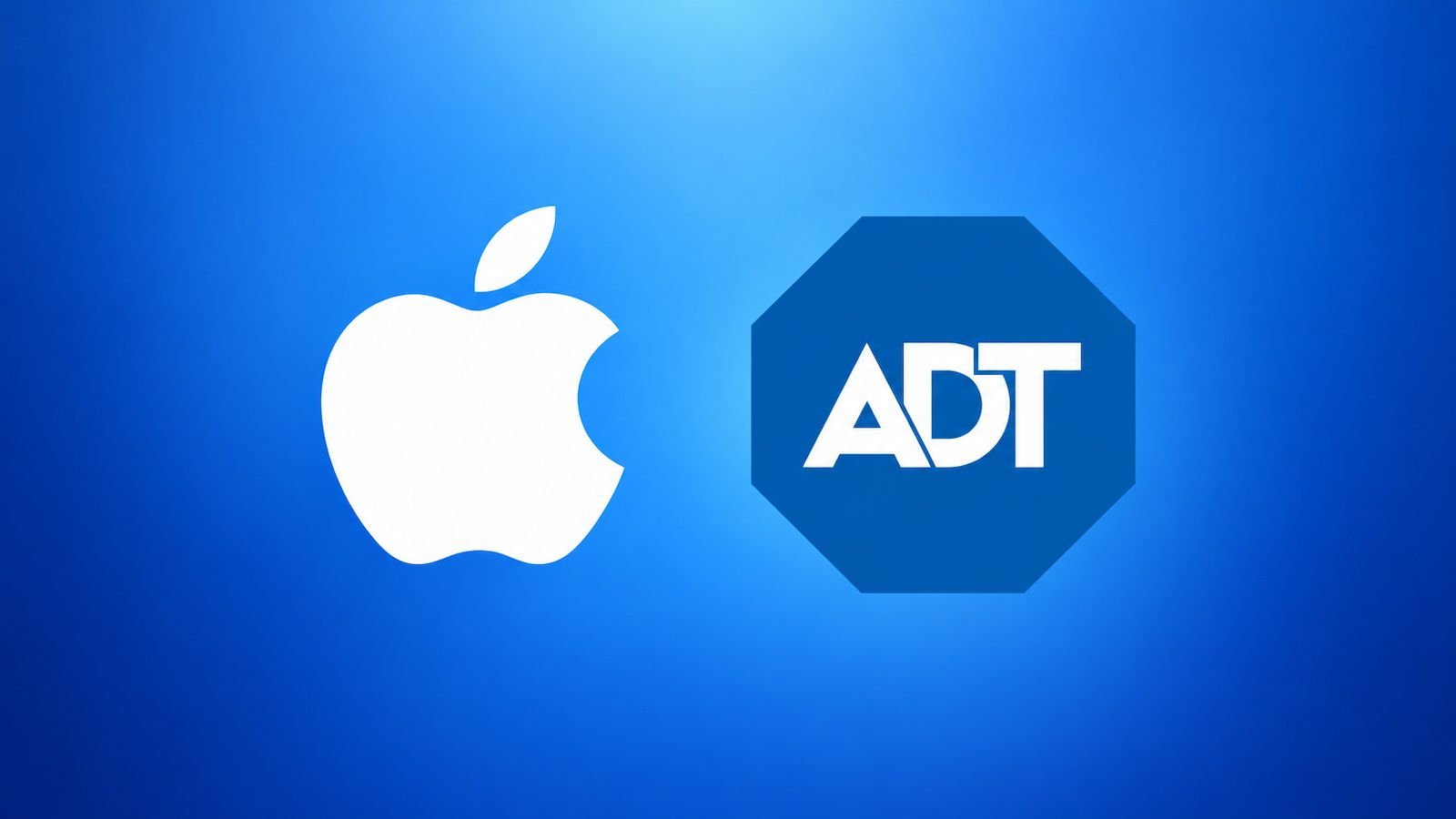
The smart home landscape is poised for a significant transformation as rumors intensify regarding a strategic partnership between Apple and ADT. Industry observers suggest that this collaboration will be unveiled during a dedicated event in New York, scheduled for October 13. While Apple has remained characteristically reticent, a trail of logistical evidence points toward an ambitious rollout involving a new smart home hub and a robust, professionally backed installation service.
For years, the smart home market has been divided between two distinct camps: the sophisticated, DIY-focused ecosystem—dominated by companies like Apple and Google—and the professional-grade security sector, where ADT serves as a primary provider. A partnership between Apple and ADT would effectively bridge this divide, marrying Apple’s highly integrated software environment with the physical reliability of nationwide, professional-grade technical support.
Behind the Scenes: Operational Clues and Secrecy
The evidence pointing to this collaboration extends beyond standard industry speculation. Since July, ADT has been recruiting for specialized “Low Voltage Technician” roles across the United States. New hires have reported an unusual operational environment, characterized by significant levels of secrecy and the mandatory signing of non-disclosure agreements. These employees have noted that their training involves shadowing experienced technicians, yet specific details regarding the nature of their future duties remain tightly controlled.
One of the most telling indicators is the shift in hardware procurement for these new technicians. Unlike their counterparts who utilize Android devices for day-to-day operations, these specific hires have been issued iPhones. This intentional standardization suggests a transition toward a unified software platform designed to interface with Apple’s internal ecosystem. The timing of this recruitment drive, which was initially expected to yield information in September, appears to have been calibrated to align with the announcement of Apple’s upcoming hardware.
The New Smart Home Hub Ecosystem
At the center of this announcement is expected to be Apple’s new smart home hub, a device that reportedly serves as the nerve center for the modern connected residence. Rumors indicate that this hub will be available in two distinct form factors: a wall-mounted configuration for permanent installation and a tabletop version equipped with an integrated speaker base.
The functionality of the hub is designed to leverage the recent deployment of the revamped Siri AI. By integrating advanced machine learning, the device aims to provide a centralized interface for complex smart home management. Beyond basic lighting and climate control, the hub is expected to facilitate photo gallery displays, real-time calendar synchronization, music playback, and high-fidelity FaceTime video calling. The inclusion of professional installation services through ADT suggests that Apple intends to market these units not just as consumer electronics, but as core components of a managed household security and automation environment.
Hardware Synergy and Third-Party Integration
A pivotal component of Apple’s strategy appears to be the creation of an expansive ecosystem. Reports suggest that Apple is collaborating with industry leaders, such as LG, to offer a range of third-party smart home accessories that are fully optimized for the new hub. This approach addresses a common pain point in the current market: fragmentation. By curating a set of partner devices and ensuring they are compatible with the new hub, Apple aims to minimize the troubleshooting and connectivity issues that often plague users attempting to build a secure, connected home.
The role of the ADT technician, in this context, may be to provide a “white-glove” installation experience. This would allow users who lack the technical expertise or time to install, configure, and secure complex hardware systems, such as wall-mounted hubs or perimeter security sensors, to have a qualified professional ensure the hardware is integrated correctly into their existing home network.
Strategic Realignment in the Security Market
The potential for this partnership is underscored by a shifting landscape in the security sector. ADT previously established a partnership with Google in 2023, but the efficacy of that collaboration has reportedly waned, with some integration features being retracted earlier this year. Industry reports suggest that the contract between ADT and Google is nearing its conclusion or has already expired, creating a vacancy that Apple is well-positioned to fill.
Should this partnership materialize, it would mark a major transition for ADT from a legacy security provider to a modern systems integrator for the Apple ecosystem. For Apple, it represents a departure from the purely DIY model, signaling a willingness to leverage external physical infrastructure to drive hardware adoption. Whether this translates into a fully integrated home security monitoring service remains to be seen, but the infrastructure for a powerful, professionally supported smart home environment is clearly being assembled. As the industry gathers for the October 13 event, the focus remains on whether these operational signals will result in a definitive shift toward unified, managed domestic technology.
Disclaimer: This content is auto-generated for informational purposes only.
Source: Read Original News