







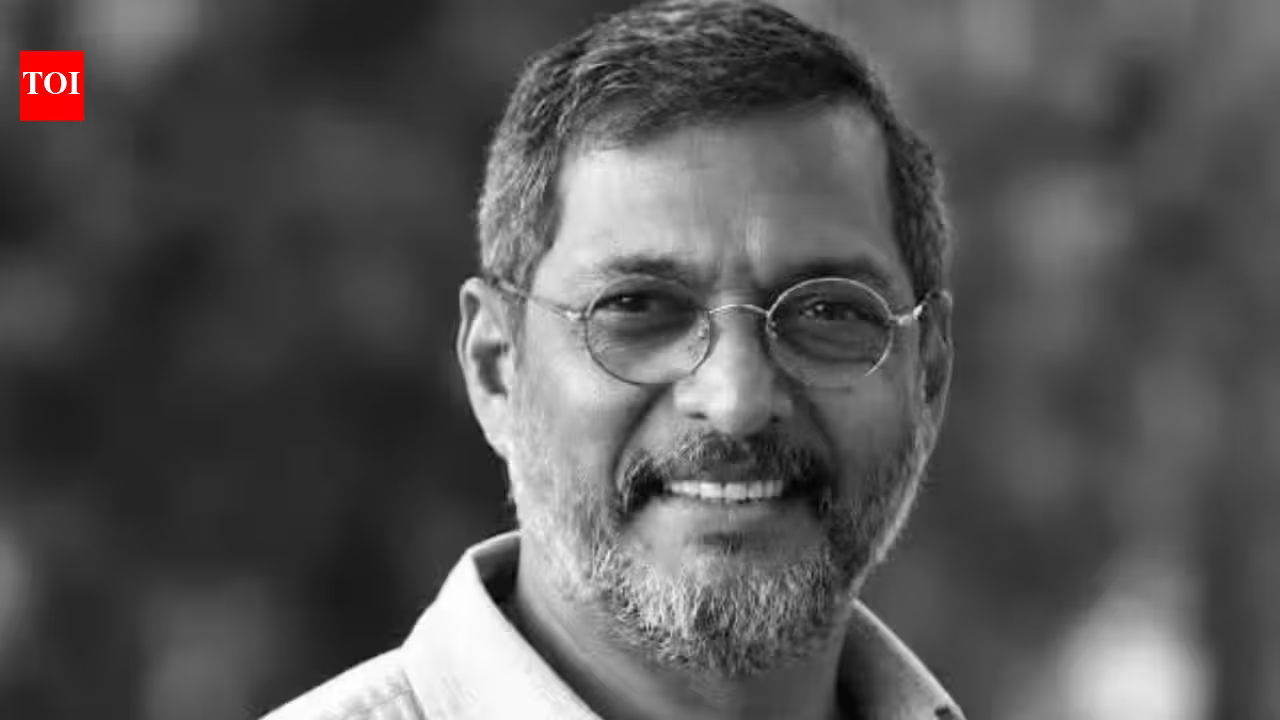
The Indian film fraternity is in mourning as the final chapter of a legendary career has come to a close. Nana Patekar, the powerhouse performer whose intense gaze and gravelly voice defined some of the most iconic roles in Hindi and Marathi cinema, passed away on October 8. He was 75.
The circumstances surrounding his death, which initially sent shockwaves through the industry, have now been clarified by medical professionals. A senior doctor at the state-run Goa Medical College and Hospital (GMCH) confirmed on Sunday that the actor succumbed to a cardiac event. According to the autopsy report, the cause of death was an “acute myocardial infarction due to left main coronary artery thrombosis secondary to atherosclerotic occlusive coronary artery disease.” In simpler medical terms, a blood clot in the left main coronary artery—a vessel vital for supplying oxygenated blood to a major portion of the heart—proved fatal.
The Final Hours in Goa
The events leading up to the tragedy unfolded in the early hours of October 8 at Patekar’s residence in Dona Paula, a tranquil locality near Panaji, Goa. Known for his preference for privacy and his love for the serenity of coastal life, the actor had been living away from the relentless bustle of Mumbai.
According to reports, Patekar began to feel unwell in the middle of the night. His caretaker acted swiftly, contacting a local private hospital to request an ambulance. Despite the facility being located less than a kilometer from his apartment, the onset of the infarction was rapid and severe. Upon the arrival of emergency medical personnel, it was evident that the actor was in a critical state. Doctors labored for approximately 45 minutes, attempting to resuscitate him with cardiopulmonary resuscitation (CPR), but despite their exhaustive efforts, Patekar could not be revived. He was officially declared dead at 5:10 am.
A Legacy Etched in Intensity
To look back at Nana Patekar’s career is to revisit the history of modern Indian cinema. From his debut in the late 1970s to his towering performances in the 90s and beyond, Patekar was an anomaly in an industry often obsessed with traditional heroism. He didn’t just play characters; he inhabited them with a restless, explosive energy that left audiences spellbound.
Whether it was his chilling turn as the antagonist in Angaar, his hauntingly realistic portrayal of a disillusioned youth in Parinda, or the fierce, patriotic fervor of Krantiveer, Patekar possessed an uncanny ability to balance vulnerability with menace. He was a pioneer of the “method” school in India, often known for his meticulous preparation and his refusal to settle for mediocrity. Beyond the lights and the greasepaint, he was a man of the earth, deeply involved in humanitarian efforts, most notably through his work with the NAAM Foundation, which focuses on the welfare of drought-stricken farmers in Maharashtra.
A Somber Farewell in Pune
Following the completion of the postmortem at GMCH, the actor’s son, Malhar, traveled to Goa to oversee the transition of his father’s mortal remains. The journey home was marked by a profound sense of loss felt across both the political and artistic landscapes of India.
The final rites were held at the family’s farmhouse in Donje village, near Pune. It was a send-off that mirrored the stature of the man himself—solemn, respectful, and steeped in the traditions he held dear. The actor was cremated with full state honours, a testament to his immense contribution not only to the arts but to the social fabric of the nation. The presence of state dignitaries and industry titans underscored the void he leaves behind. Maharashtra Deputy Chief Minister Sunetra Pawar, Union ministers Ramdas Athawale and Murlidhar Mohol, and Lok Sabha MP Sunil Tatkare were among the high-profile figures in attendance. From the film industry, longtime collaborator and friend Makarand Anaspure, who stood by him in his charitable endeavors, and fellow stalwart Jackie Shroff were present to bid their final farewell.
The Silence After the Spotlight
As the news of his death settles, the industry is grappling with the loss of a voice that could never be mimicked. Nana Patekar was a rare breed of actor—someone who demanded that the audience pay attention, not through flashy gimmicks, but through the sheer weight of his presence. His final onscreen appearance, while a poignant reminder of his enduring relevance, now serves as a closing note to a body of work that will be studied for generations.
While the medical reports state that his death was due to “natural causes,” the suddenness of his passing is a jarring reminder of the fragility of life. For his fans, the man who could command a screen with a single look is gone, but the characters he breathed life into remain as eternal as the films themselves.
In the coming days, the retrospectives will air, and the tributes will pour in. But perhaps the most fitting tribute to Nana Patekar is the one he would have likely preferred: the quiet, dignified silence of a man who spent his life speaking for those who had no voice, and acting with a passion that burned brighter than any studio light. He leaves behind not just a filmography, but a blueprint for what it means to be a dedicated artist and a conscious citizen. The curtains have closed, but the resonance of his performance continues to echo in the halls of Indian cinema.
Disclaimer: This content is auto-generated for informational purposes only.
Source: Read Original News