









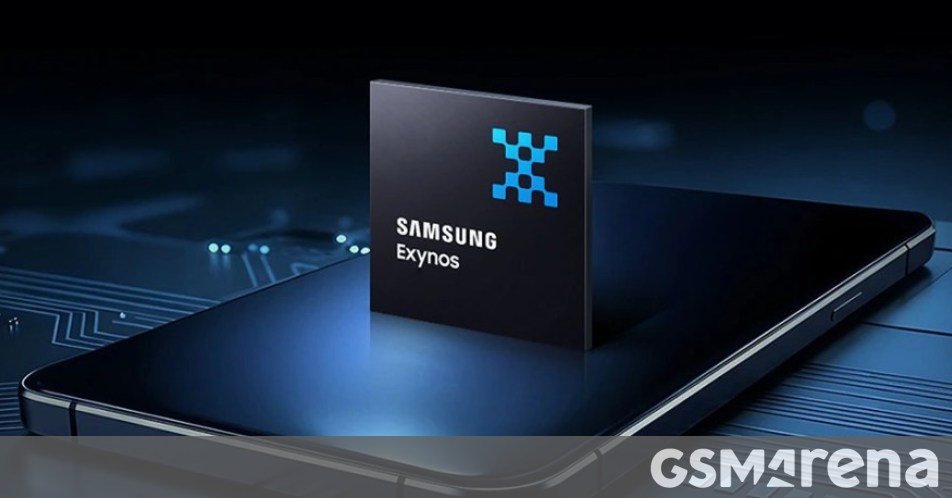
The Architecture of the Exynos 2700
The semiconductor industry is witnessing a significant shift as Samsung prepares for the next generation of its flagship mobile hardware. At the heart of the conversation is the Exynos 2700, a chipset designed to leverage Samsung’s most advanced fabrication process to date. The chip is manufactured using the SF2P node, which represents the second generation of Samsung’s Gate-All-Around (GAA) 2nm transistor architecture. This transition from traditional FinFET designs to GAA allows for improved electrostatic control over the channel, enabling higher performance and lower leakage currents.
When compared to its predecessor, the SF2 process, the SF2P node provides a 12% boost in overall processing performance. Perhaps more critical for mobile devices is the 25% reduction in power consumption, which serves as a major factor in extending battery life under heavy workloads. Furthermore, the 8% reduction in total chip area allows for more efficient layout designs or increased density for specialized accelerators. Integrating ARM’s latest C2 CPU cores, the Exynos 2700 is engineered to handle intensive tasks such as on-device artificial intelligence and high-fidelity mobile gaming with greater efficiency than previous iterations.
Strategic Manufacturing and Yield Considerations
The success of a new chipset is often determined by production yields—the percentage of functional chips produced on a silicon wafer. Recent internal reports suggest that Samsung has successfully optimized its manufacturing pipeline, ramping up production volume by more than 10% compared to the Exynos 2600. Despite these improvements, the inclusion of the Exynos 2700 in the premium Galaxy S27 Ultra remains a subject of intense internal debate within Samsung.
While the technical performance of the chip is reportedly robust, the decision-making process is complicated by production capacity limitations. Samsung must balance its internal requirements for the broader Galaxy S27 series against the sheer volume of units required for a global flagship launch. While the company has demonstrated progress in scaling, the logistical demands of a worldwide release for their most expensive device necessitate a level of supply chain certainty that is currently being evaluated against long-standing procurement strategies.
The Dual-Chip Strategy for the S27 Lineup
The current consensus among industry observers suggests that the Galaxy S27 series will likely maintain a bifurcated chipset strategy, adjusted for regional markets. Under this model, the base Galaxy S27, the S27+, and the introduction of the S27 Pro are expected to utilize a geographic distribution strategy. Devices sold in Europe and Korea are slated to feature the Exynos 2700 silicon, while units destined for the United States and China markets will likely continue to utilize Qualcomm’s Snapdragon architecture.
This regional segmentation is a well-established practice for the manufacturer, intended to manage supply chain risks while optimizing performance profiles for specific network architectures and consumer preferences in various territories. By leveraging both in-house Exynos production and external supply from Qualcomm, Samsung creates a safety buffer that ensures the global launch of the S27 series is not held hostage by the output of a single foundry or a sole provider.
Qualcomm’s Role in the Flagship S27 Ultra
Perhaps the most significant development in this narrative is the reported exclusion of the Exynos 2700 from the Galaxy S27 Ultra. Even with the reported advancements in the SF2P process and improved yields, insiders suggest that the S27 Ultra will exclusively feature the Snapdragon 8 Elite Extreme Gen 6. This hardware choice reflects a strategic preference for the consistency and high-end performance profile provided by the Qualcomm chipset for the most expensive device in the lineup.
Samsung’s ongoing relationship with Qualcomm remains a cornerstone of its premium device strategy. By reserving the Snapdragon 8 Elite Extreme Gen 6 for the Ultra model, the company ensures that its highest-tier offering maintains a uniform performance standard globally, mitigating any potential variation in user experience that might arise from localized chipset differences. This decision indicates a desire to provide a consistent “top-tier” benchmark for the S27 Ultra, regardless of where the device is purchased.
Impact on Future Mobile Computing
The evolution toward 2nm GAA technology is indicative of the broader trends in the semiconductor industry, where the focus has moved beyond raw clock speeds to power efficiency and thermal management. The Exynos 2700 serves as a testing ground for these technologies, setting the stage for how high-performance mobile devices will handle the increasing demands of generative AI, real-time image processing, and complex background processes.
For the end user, the potential impact of these advancements is twofold. First, the efficiency gains from the 25% reduction in power usage suggest that future Galaxy devices may see marked improvements in daily battery longevity without requiring larger battery capacities that increase device weight. Second, the architectural enhancements offered by the ARM C2 cores mean that tasks involving neural processing will likely become more responsive. As Samsung moves forward, the ability to balance the technological superiority of its own Exynos chips with the reliable supply of the Snapdragon series will be the defining factor in its ability to compete in the ultra-premium smartphone market. While the S27 Ultra may lean on external partners this time, the development of the Exynos 2700 represents a crucial step in the long-term goal of achieving vertical integration in mobile computing.
Disclaimer: This content is auto-generated for informational purposes only.
Source: Read Original News