








The Intersection of Audio Engineering and Iconic Shooter Design
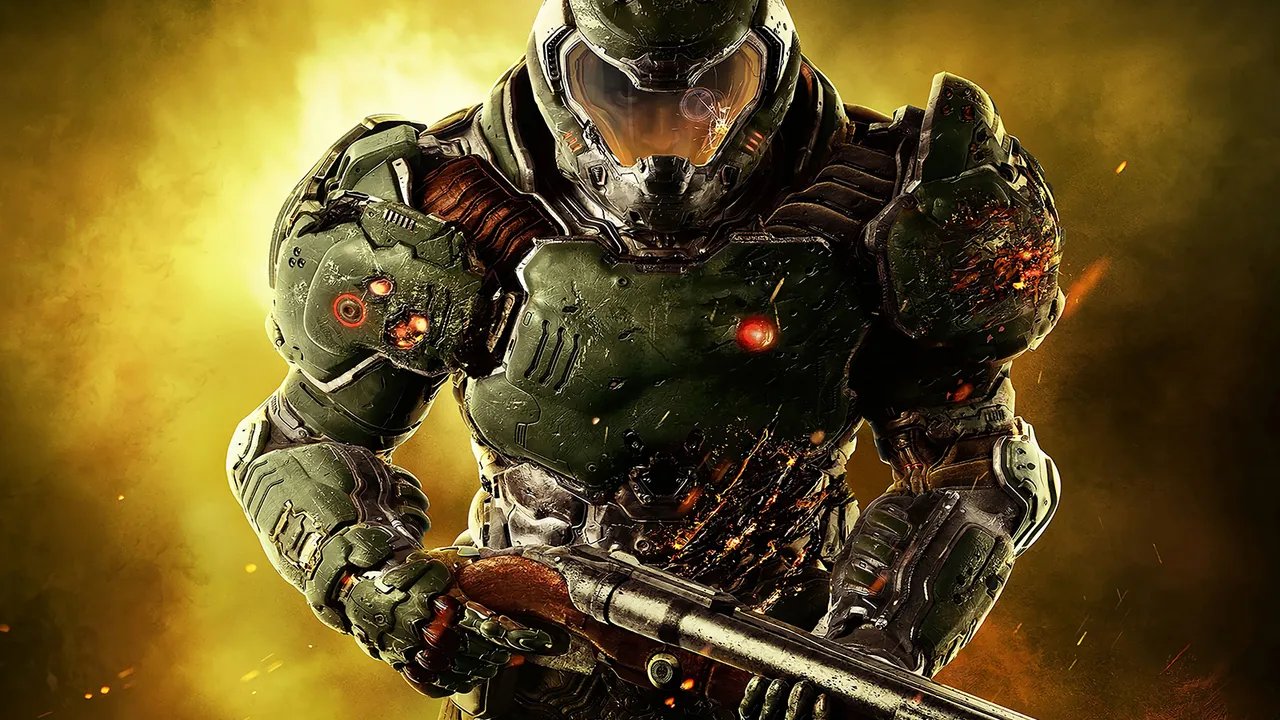
The sonic identity of the modern Doom franchise is inextricably linked to the work of composer Mick Gordon. His approach to the 2016 reboot and its successor, Doom Eternal, redefined how industrial metal could be integrated into interactive media. By utilizing a custom synthesis engine that processed sound based on in-game combat intensity, Gordon created a dynamic audio landscape that responded to the player’s aggression. This technical mastery turned the soundtrack into a mechanical extension of the gameplay, where the tempo and distortion levels scaled in tandem with the user’s kill streaks and health status.
Because of this deep integration, the news that Gordon remains open to future collaborations with id Software carries significant weight for the industry. While his departure was marked by a highly publicized conflict involving administrative disputes and creative control, the composer’s recent comments at PAX Australia indicate that the bridge between him and the franchise has not been permanently burned. The technical complexity required to achieve the signature sound of Doom is immense, and any potential future installment would rely on that specific synergy between sound design and game engine mechanics.
Addressing the Technical and Administrative Dominoes
Gordon’s reference to “dominoes” that must fall suggests that any reunion is contingent upon resolving past professional grievances. The controversy surrounding the Doom Eternal soundtrack centered on allegations regarding unpaid labor and the editing process of the final audio mix. Specifically, Gordon noted that a substantial portion of his recorded material was altered or implemented in ways that contradicted his original technical vision for the release.
From a production standpoint, these disagreements highlight the friction between creative independence and the demands of large-scale, high-budget game development. The reconciliation Gordon describes would necessitate a restructuring of how audio assets are processed and managed within the id Tech engine. Achieving the same level of audio-mechanical synchronicity as previous titles requires a high degree of trust between the composer and the development leads. Without a clear path to resolving these administrative hurdles, the technical brilliance Gordon brought to the series remains a closed chapter, despite his stated willingness to return.
The State of Development at id Software
The internal architecture of id Software has undergone significant shifts since the release of Doom Eternal. The studio, long considered a pillar of the AAA development world, has faced severe operational challenges due to broad organizational restructuring. Microsoft’s recent efforts to streamline its gaming division have resulted in substantial layoffs, leaving the studio with a fraction of its original development workforce.
This reduction in personnel presents a massive technical challenge for any prospective sequel. Lead staff have previously expressed that maintaining the standard of quality associated with the Doom series becomes functionally impossible when development resources are restricted. The technical pipeline required to build a AAA first-person shooter—ranging from custom engine optimization to complex asset streaming and high-fidelity sound design—demands a robust team. If the studio were to pursue another installment, the integration of an artist of Gordon’s caliber would require not just a resolution of personal history, but a stabilized development environment capable of supporting the high overhead of such an ambitious audio production.
New Ventures and Future Sonic Projects
While the future of the Doom franchise remains uncertain, Gordon has transitioned toward several new technical and creative endeavors. His involvement in Warhammer 40,000: Boltgun 2 and the squad-based shooter Defect demonstrates a continued focus on integrating aggressive, synth-heavy compositions with high-speed gameplay mechanics. These projects act as test beds for his ongoing research into sound synthesis and adaptive music implementation.
Furthermore, Gordon is preparing for a live performance at the UK’s RADAR music festival in 2027. This event represents a distinct technical challenge: translating studio-produced, multi-layered digital scores into a live performance environment. By utilizing a full live band, Gordon aims to replicate the raw intensity of his digital compositions, providing a rare opportunity to analyze the core components of his production process outside the context of a game engine. This shift from virtualized soundscape to live performance marks a new trajectory in his career, emphasizing the physicality of the music he helped architect for the Doom series.
The Legacy of Adaptive Audio
The impact of Gordon’s work on the shooter genre is undeniable. He established a template for what is now expected of “AAA” audio: a soundscape that is not merely background filler, but an active participant in the feedback loop between the game and the player. By using frequency modulation and granular synthesis, he ensured that the music was always in sync with the core combat loop.
Whether or not the “dominoes” fall into place for his return to the Doom franchise, the technical lessons learned from those scores have already influenced a new generation of sound designers. The industry has seen an increase in interest regarding the implementation of procedural audio and reactive scores, largely popularized by the success of the 2016 iteration of the game. Regardless of his professional relationship with id Software, Mick Gordon’s contribution to interactive audio remains a benchmark for the medium, serving as a masterclass in how software development and music production can converge to create a truly immersive experience.
Disclaimer: This content is auto-generated for informational purposes only.
Source: Read Original News