









Lexus has solidified its reputation as a benchmark for durability in the automotive industry. By prioritizing conservative engineering and rigorous quality control, the luxury division of Toyota frequently outperforms its domestic and European competitors in long-term ownership metrics. While the brand maintains a high baseline of quality, specific models have emerged as superior examples of mechanical longevity. Drawing on insights from Toyota-certified master diagnostic technicians and long-term industry studies, certain older Lexus models demonstrate an exceptional capacity to remain functional well beyond standard vehicle lifespans.
The ES 350: A Standard for Sedan Durability
The Lexus ES 350 has earned a reputation as a stalwart of reliability in the mid-size sedan segment. Because the model architecture is derived from the robust Toyota Avalon platform, it benefits from a mechanical simplicity that often eludes high-performance luxury rivals. The vehicle utilizes a 3.5-liter V6 engine that is widely regarded for its longevity. Industry data, including reports from iSeeCars, suggests an average lifespan exceeding 142,000 miles for well-maintained units.
Technical consensus favors the sixth and seventh-generation iterations of the ES 350, as these versions ironed out the minor electronic and trim issues found in earlier models. Owners and technicians alike categorize the vehicle as nearly bulletproof provided that routine maintenance, such as oil changes and transmission fluid services, is performed at manufacturer-recommended intervals. For those prioritizing a quiet, comfortable daily driver with low maintenance overhead, the ES 350 remains a primary recommendation.
The RX 350: Mid-Size SUV Longevity
For buyers requiring the utility of an SUV, the RX 350 offers a high-riding alternative that shares much of its underlying engineering with the Toyota Highlander. Mechanical experts advise focusing on the third-generation models produced from 2010 to 2015, which are often cited for their exceptional build quality and engine stability. Data suggests that these vehicles frequently surpass 174,000 miles, placing them consistently within the top tier of long-lasting luxury utility vehicles.
The 3.5-liter V6 engine, a staple of the Lexus powertrain lineup during this era, is the centerpiece of the RX 350’s reliability profile. While the vehicle is not designed for heavy off-roading, its chassis components and suspension geometry are built to handle high mileage with minimal degradation. Prospective buyers should note that regular maintenance is the defining factor in reaching these high odometer milestones.
The LS 430: An Engineering Landmark
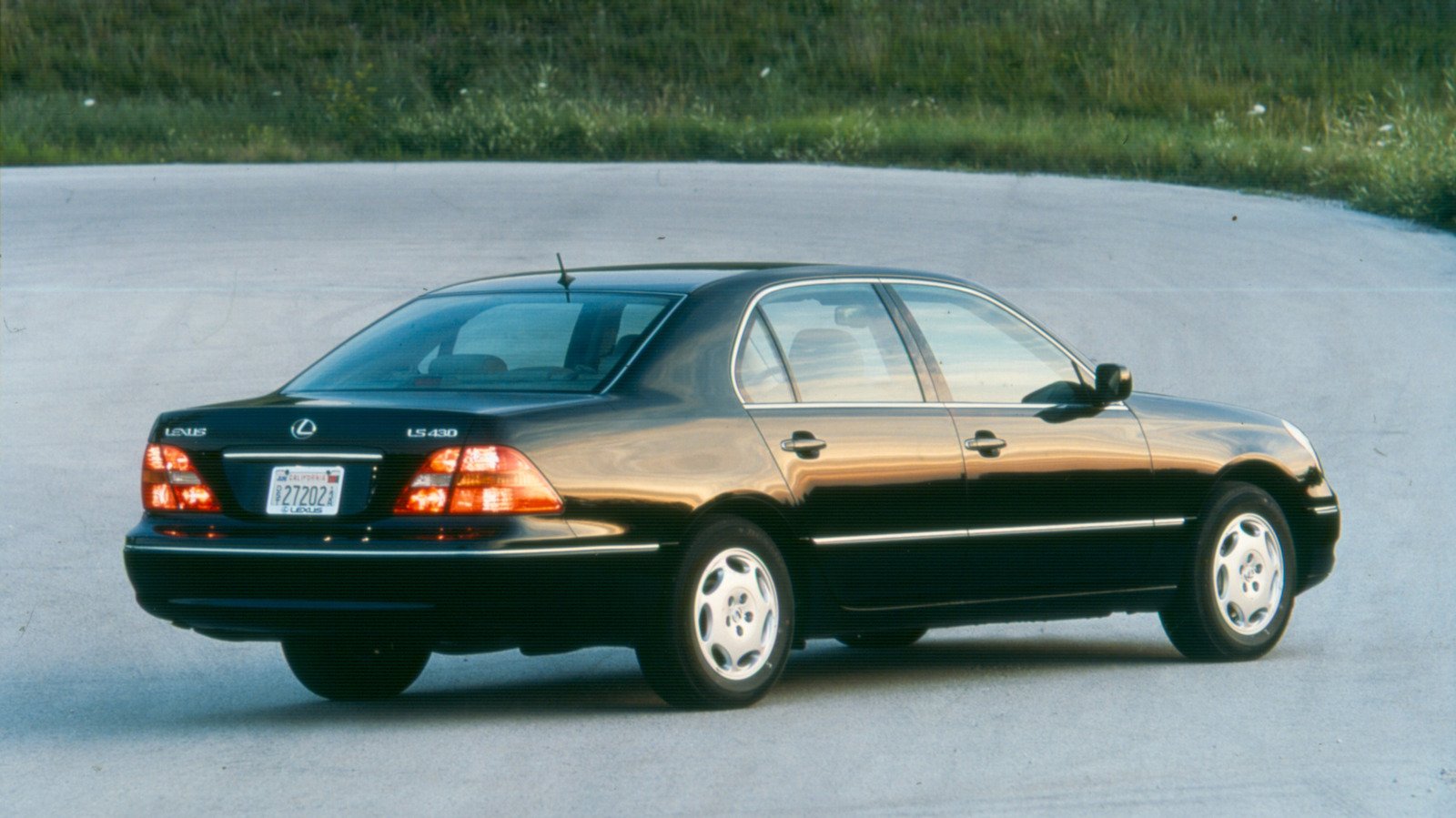
The 2001-2006 Lexus LS 430 is frequently discussed by automotive historians as the high-water mark for the brand’s engineering. Representing the third generation of the full-size flagship, the LS 430 was designed to challenge the established European luxury guard with superior build materials and advanced, yet over-engineered, systems. Unlike many modern luxury vehicles, the LS 430 from this era successfully integrated early iterations of adaptive cruise control and sophisticated climate systems without succumbing to the complex software failures that plague contemporary vehicles.
With an average reported lifespan of over 228,000 miles, the LS 430 is a testament to the benefits of robust, non-complex manufacturing. Industry experts caution that prospective owners should avoid units equipped with factory air suspension, as these systems become costly to service as the vehicle ages. Choosing a steel-sprung model ensures that the vehicle remains a long-term, cost-effective luxury transport.
The GX 470: Rugged Luxury Performance
The first-generation Lexus GX 470, produced from 2003 to 2009, occupies a unique space in the SUV market. Built on the same platform as the Toyota 4Runner and the global Land Cruiser Prado, the vehicle was designed for genuine durability rather than just city-focused luxury. At the heart of the GX 470 is the 2UZ-FE 4.7-liter V8 engine, which is widely considered one of the most reliable powerplants ever developed by the Toyota-Lexus engineering group.
This engine’s capability is evidenced by its longevity in the Lexus LX, the Toyota Sequoia, and the Tundra pickup. The GX 470 is engineered to endure significant mechanical stress, leading to a typical lifespan of roughly 205,000 miles. Because of this durability, the vehicle maintains a strong following among enthusiasts who value consistent performance over modern infotainment or complex electronic gadgetry.
The IS 350: Reliability Meets Sport
For drivers seeking a more dynamic experience, the IS 350 sport sedan provides a reliable option that manages to balance performance with the brand’s signature durability. The key to the model’s reliability is the 3.5-liter V6 engine, which has been utilized across several generations of the IS series since its 2006 introduction. While the chassis and interior have evolved significantly over two decades, the core drivetrain has remained a consistent and dependable component.
It is important to differentiate the IS 350 from smaller-displacement variants, such as the IS 250, which are known to be prone to carbon accumulation within the engine over time. While the IS 350 is more reliable, owners must account for higher operational costs associated with sport-oriented tires and braking components. Despite these consumables, the vehicle serves as a rare example of a compact luxury car that can regularly exceed 180,000 miles without requiring major structural or mechanical intervention, cementing its status as an elite choice for those wanting both reliability and driving engagement.
Disclaimer: This content is auto-generated for informational purposes only.
Source: Read Original News