




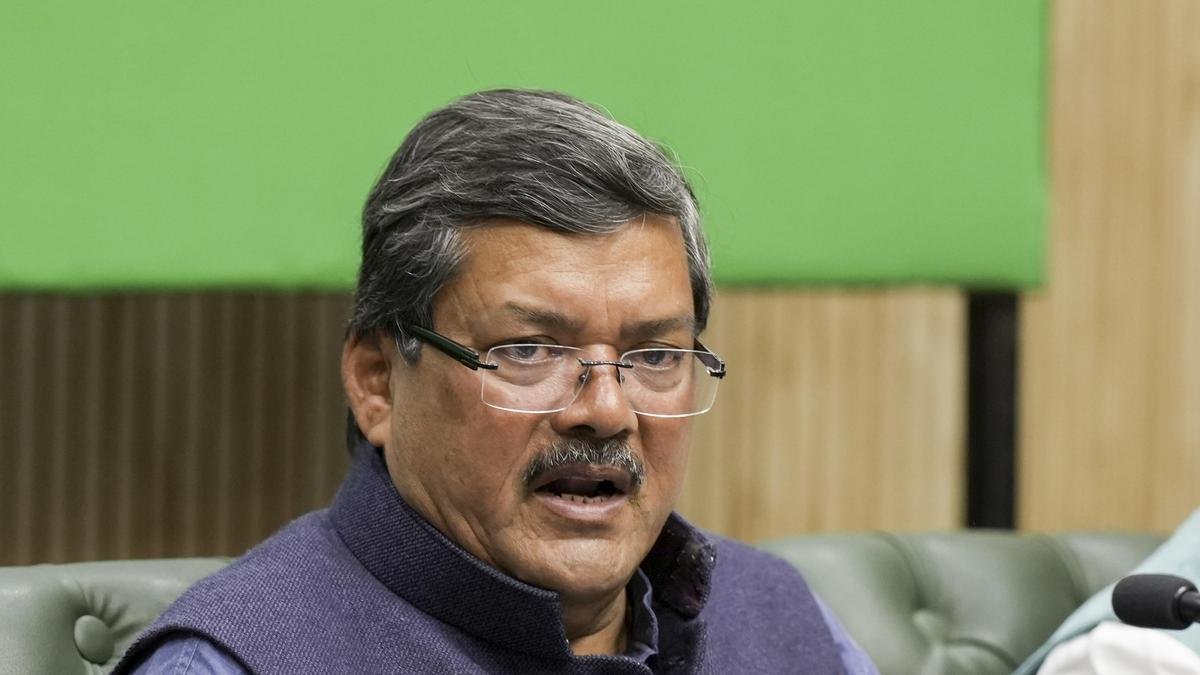
A recent report presented to the Rajya Sabha by the Parliamentary Standing Committee on Education, Women, Children, Youth and Sports marks a significant potential shift in how India’s high-stakes competitive examinations are managed. Led by Rajya Sabha MP Mukul Wasnik, the committee has proposed systemic reforms aimed at reducing the external stressors faced by students, following a turbulent period for the National Testing Agency (NTA).
These recommendations come in the wake of widespread controversies—including concerns over paper leaks and administrative lapses—that have prompted a national conversation about the reliability of the testing ecosystem. By addressing both the logistical hurdles faced by students and the rigidity of exam-day protocols, the committee aims to foster a more student-centric environment.
## Mitigating External Disruptions
A primary focus of the committee’s recommendations is the environmental factor on test days. Competitive exams in India often act as a bottleneck, with millions of students sitting for tests that define their academic and professional futures. In such high-pressure contexts, any logistical delay can lead to catastrophic results for a candidate.
The panel has explicitly recommended that the Public Examinations (Prevention of Unfair Means) Act, 2024, be amended to give district administrations the authority to withhold permissions for public rallies, processions, or large gatherings on the days of major examinations. Currently, the NTA merely issues advisories urging students to account for potential traffic disruptions. The committee argues that this responsibility should shift from the student to the state, ensuring that law-and-order arrangements prioritize the free movement of candidates over other public activities.
## Addressing the “Zero-Tolerance” Lateness Policy
The report also scrutinizes the current “strict entry” policy, which often results in candidates being denied entry for being even a few minutes late. For a student who has spent years preparing, such a penalty is viewed as disproportionate.
The committee suggests a move toward leniency that maintains test integrity without punishing students for circumstances often beyond their control. They propose that a mechanism be developed to allow candidates to enter even after the reporting time, provided they sign an undertaking. Under this proposed framework, students would be allowed to sit for the exam but would have to forfeit the time they lost, receiving no extensions. This middle-ground approach seeks to balance administrative discipline with the need for fairness in a high-stakes environment.
## Refining Examination Conduct
The committee has also identified classroom-level distractions that impact performance. It is common practice for invigilators to conduct student identification, signature verification, and document checking while the examination is in progress. The report highlights that this process acts as an avoidable interruption, breaking a student’s concentration during critical thinking tasks.
To solve this, the panel has recommended creating a dedicated 15-minute window—either before or after the test duration—exclusively for administrative formalities. By moving these tasks outside the core testing window, the committee aims to ensure that students can dedicate the full allotted time to answering questions without the mental interference caused by ongoing invigilation duties.
## The Path Toward Institutional Reform
These recommendations reflect a broader effort to restore public trust in the national testing mechanism. As India continues to rely on large-scale competitive exams to determine access to higher education, the need for a robust, predictable, and empathetic administrative framework becomes increasingly vital. By formalizing these changes, the committee hopes to ensure that a candidate’s success is determined by their knowledge and preparation, rather than by external factors or rigid bureaucratic hurdles that can derail a career before the first question is even answered.
Disclaimer: This content is auto-generated for informational purposes only.
Source: Read Original News