








The Strategic Evolution of Indian Railways
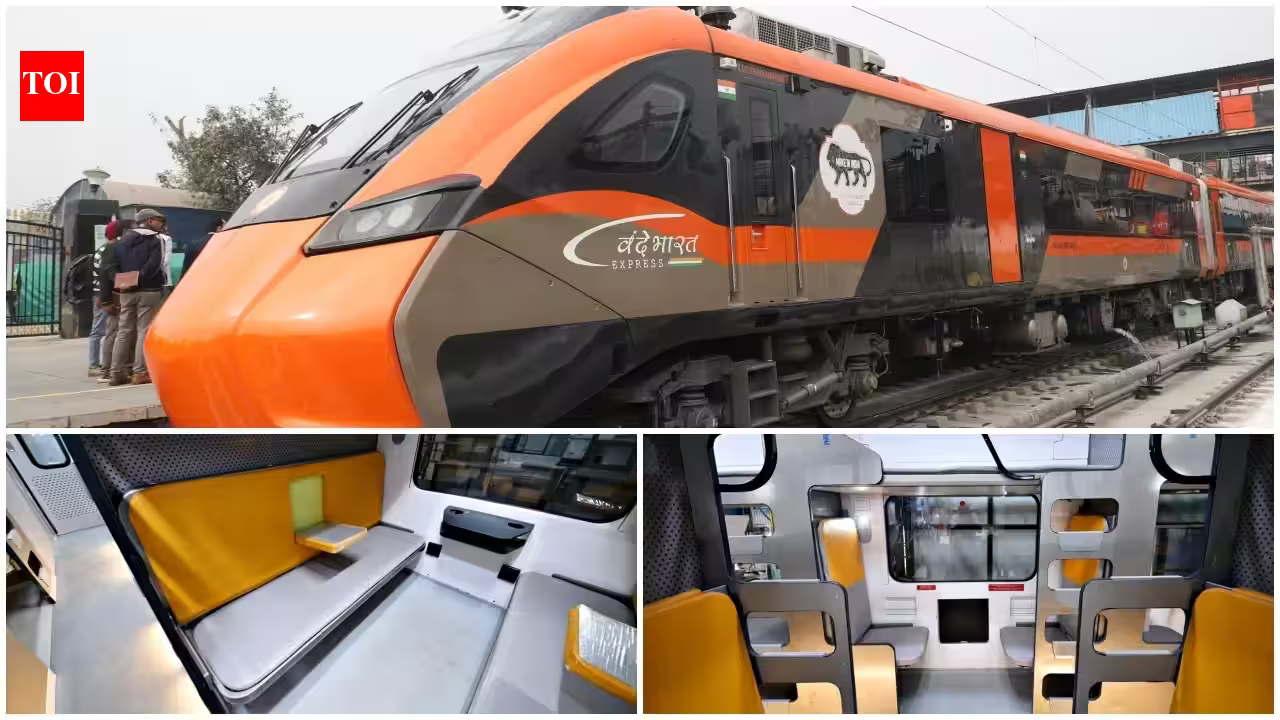
The modernization of Indian Railways has shifted from incremental upgrades to a systemic overhaul of its long-distance transit infrastructure. While the initial deployment of Vande Bharat chair-car sets successfully established the viability of semi-high-speed transit on shorter corridors, the focus is now squarely on the overnight segment. The move to introduce a 24-coach Vande Bharat sleeper variant represents a critical scaling effort, transitioning the network toward a more robust, high-capacity model designed to replace or supplement the aging Rajdhani and Duronto fleets.
Integral Coach Factory (ICF) in Chennai, the epicenter of this transformation, has been mandated to develop these 24-coach trainsets. This decision is driven by the necessity to accommodate higher passenger volumes during peak travel seasons while ensuring that service quality remains consistent across long-distance routes. By expanding the coach count, Indian Railways is not merely increasing seat capacity; it is optimizing the rolling stock to meet the demands of India’s growing demographic of long-distance commuters who prioritize travel speed, comfort, and reliability.
Industrial Capacity and Manufacturing Alliances
To meet the ambitious rollout target of over 200 sleeper trainsets in the coming years, Indian Railways has adopted a diversified manufacturing strategy. Relying on a single factory would create significant bottlenecks, so the network has decentralized production by engaging both public and private entities.
The collaboration model is multifaceted. BEML is actively working on the initial batch of 10 sleeper trainsets in partnership with ICF. Simultaneously, major industrial players have entered the fray to ensure mass production capabilities. The Kinet joint venture—a collaboration involving Russian engineering expertise—has been assigned the task of manufacturing 120 trainsets, while a consortium comprising Titagarh and BHEL is responsible for an additional 80. This multi-vendor approach is essential to mitigate operational risks and ensure that the production timeline, which aims for a milestone by June 2027, remains on schedule. This strategy also fosters domestic manufacturing prowess under the Make in India initiative, creating a self-sustaining ecosystem for advanced railway engineering.
Enhanced Operational Specifications and Amenities
The 24-coach variant is specifically engineered to address the limitations observed in earlier models. One of the most significant additions is the dedicated pantry car. Unlike the 16-coach chair cars or the preliminary sleeper prototypes, the 24-coach configuration provides the logistical infrastructure required for comprehensive onboard catering. This is a vital service enhancement for journeys that span 12 to 24 hours or longer, where food quality and temperature maintenance are primary concerns for passengers.
Interior refinements are also a priority. ICF is focusing on ergonomic advancements, such as redesigned berths that simplify access to upper levels, addressing a long-standing grievance regarding passenger convenience. The inclusion of bio-vacuum toilets—modeled after aircraft technology—and the addition of baby-care stations in accessible units reflect a shift toward inclusive, modern design standards. Furthermore, the increase in the total number of restrooms across the 24-coach structure is a calculated move to maintain hygiene levels and reduce passenger wait times, which are typical pressure points in high-density trains.
Technical Advancements and Safety Integration
At the core of the Vande Bharat sleeper project is a focus on semi-high-speed operations. Designed for a service speed of 160 kmph and tested at 180 kmph, these trains are built to perform within a sophisticated safety framework. The integration of the indigenous KAVACH anti-collision system is non-negotiable. As the rail network expands its high-speed footprint, KAVACH acts as a critical safety layer, preventing signal passing at danger and controlling train speeds automatically.
Energy efficiency remains a cornerstone of the design. Regenerative braking, a technology already proven in the chair-car models, is being utilized to significantly reduce power consumption, making the trains more cost-effective to operate over their lifespan. Additionally, the use of sealed gangways and automatic door systems is designed to insulate the cabin environment from external noise, dust, and temperature fluctuations. These features work in tandem to provide a controlled atmosphere that, combined with the new lighting systems and centralized coach monitoring, aligns the passenger experience with global standards for long-distance rail travel.
Market Impact and Future Connectivity
The deployment of these trains is set to change the economics of long-distance transit in India. By substantially reducing travel times—as seen in the emerging Bengaluru-Mumbai route where connectivity is being shortened from 24 hours to under 16—Indian Railways is positioning itself to reclaim market share from road and regional aviation. The 24-coach sleeper trains are the instruments of this competitive shift.
From a business perspective, the ability to transport a larger number of passengers per trip improves the revenue-per-train ratio. By lowering the “cost per seat-kilometer” while offering premium amenities, Indian Railways can achieve a balance between operational profitability and affordability. As these 24-coach units begin entering service by 2027, the focus will likely shift to how these trainsets integrate with existing terminal infrastructure. Longer trains require longer platforms, and the phased implementation of these sleeper sets will necessitate upgrades to depot facilities and maintenance yards across the country.
Ultimately, the Vande Bharat sleeper project is a clear signal of the path forward for Indian logistics and public transit. By leveraging massive industrial partnerships and prioritizing high-capacity, high-tech designs, Indian Railways is addressing the fundamental need for speed and comfort in the nation’s primary transit network. As these trains become the standard, the expectations of the Indian traveler will evolve, compelling the entire transport sector to innovate in tandem with the railways.
Disclaimer: This content is auto-generated for informational purposes only.
Source: Read Original News