






The Practical Paradox of the Three-Language Formula
India’s ongoing debate regarding the three-language policy often frames the issue as a collision of cultural identity, regional inclusion, and pedagogical philosophy. While these elements are undoubtedly critical, they frequently overshadow a far more pragmatic and immediate challenge: the logistical reality of the Indian school system. For policymakers, the question is no longer just about the value of multilingualism, but about whether current school structures can physically accommodate an additional linguistic requirement without compromising the quality of education in other disciplines.
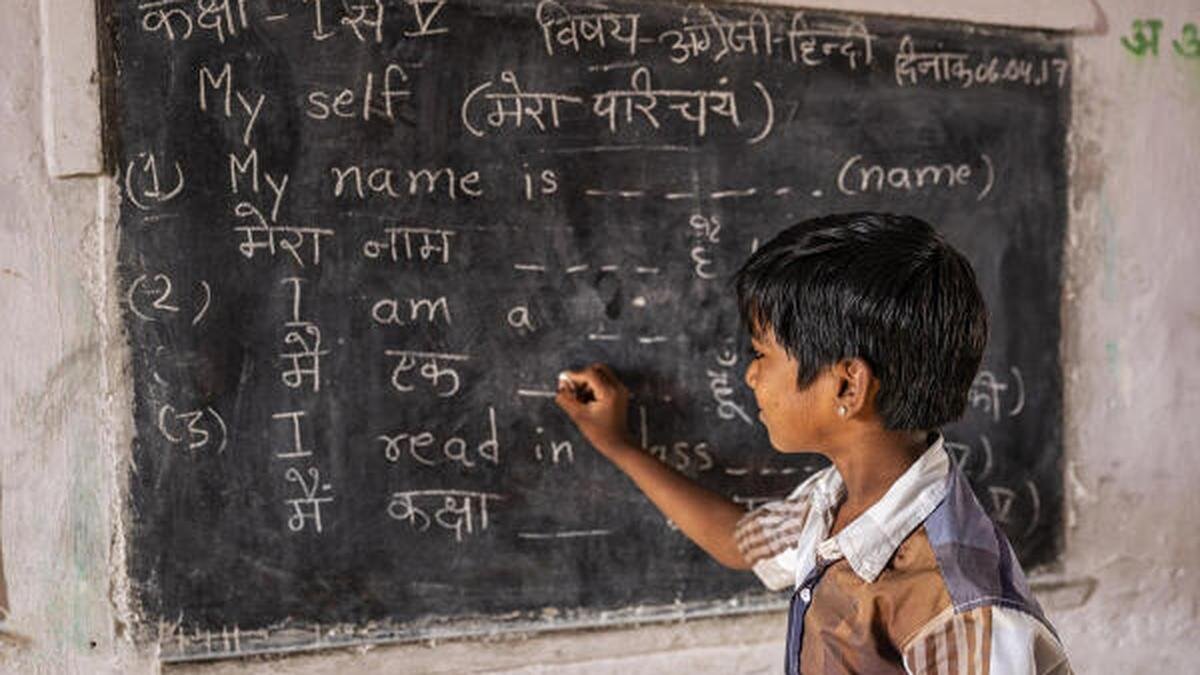
The ambition behind the three-language formula is clear: to leverage India’s immense linguistic diversity as a pedagogical strength. Proponents argue that learning an additional language broadens cognitive horizons, fosters cultural empathy, and prepares students for a globalized workforce. However, a significant gap exists between this aspiration and the reality of the classroom.
The Anatomy of an Overburdened Calendar
The Right to Education (RTE) Act mandates 220 working days, but the reality of the school calendar suggests a far more fragmented instructional environment. Once weekends, national and state-specific public holidays, and seasonal breaks are removed, the count of potential school days drops significantly. When factoring in internal assessments, administrative duties, and extracurricular events, the number of “effective” teaching days often falls below 175.
Within this limited window, schools face a “feast-and-famine” cycle. Teachers must navigate periods of intense pressure to complete the core curriculum, often interrupted by unavoidable closures. For students in Classes 6 to 8, the annual instructional time—roughly 1,200 hours—is already fully committed to existing subjects, remedial instruction, and the growing list of co-scholastic initiatives required by the National Education Policy (NEP) 2020. Inserting a new subject into an already packed timetable of 35 to 36 periods per week creates a zero-sum game: to add one language, another essential subject must inevitably lose time.
Beyond the Exam-Oriented Framework
If a third language is treated merely as another examinable subject, the risk of failure is high. Students already face the burden of high-stakes testing, and for many first-generation learners, navigating an academic environment in a language other than their mother tongue is already a complex task. Adding a third language without adequate support could transform a cultural opportunity into a mechanism for increased student stress and rote memorization.
To make the policy meaningful, the educational system must shift from a rigid, exam-centric model to one that prioritizes sustained exposure. Rather than forced cramming, experts suggest an approach centered on two activity-based periods per week, devoid of formal examinations in the early stages. This would allow schools to focus on linguistic confidence and comprehension rather than the pressure of high-stakes assessments.
A Phased, Technology-Driven Path Forward
A sustainable implementation strategy must account for the current deficit in teacher availability. In many rural and semi-urban government schools, the lack of qualified language educators is a significant barrier. Therefore, policymakers should consider a phased, three-year rollout—stretching language milestones across Classes 6 to 8 or even 9 to 11.
This model relies on flexibility rather than uniformity. By integrating virtual exchange programs, digital learning resources, and blended learning models, schools can supplement classroom instruction without requiring a total overhaul of the existing schedule. Such an approach allows for a “runway” period, letting schools build capacity where infrastructure currently permits, rather than mandating an immediate, system-wide imposition that risks becoming an administrative failure.
Ultimately, the success of the three-language policy hinges on whether policymakers can reconcile the beauty of linguistic diversity with the harsh physics of the school day. If India hopes to nurture a multilingual generation, the goal must move beyond simply adding a subject to the syllabus. It requires designing an environment where time, resources, and pedagogical methods align to ensure that language learning is a bridge to opportunity, not a source of systemic fatigue.
Disclaimer: This content is auto-generated for informational purposes only.
Source: Read Original News