







Capital in Lockdown: Opposition Intensifies Protest Against Election Commission
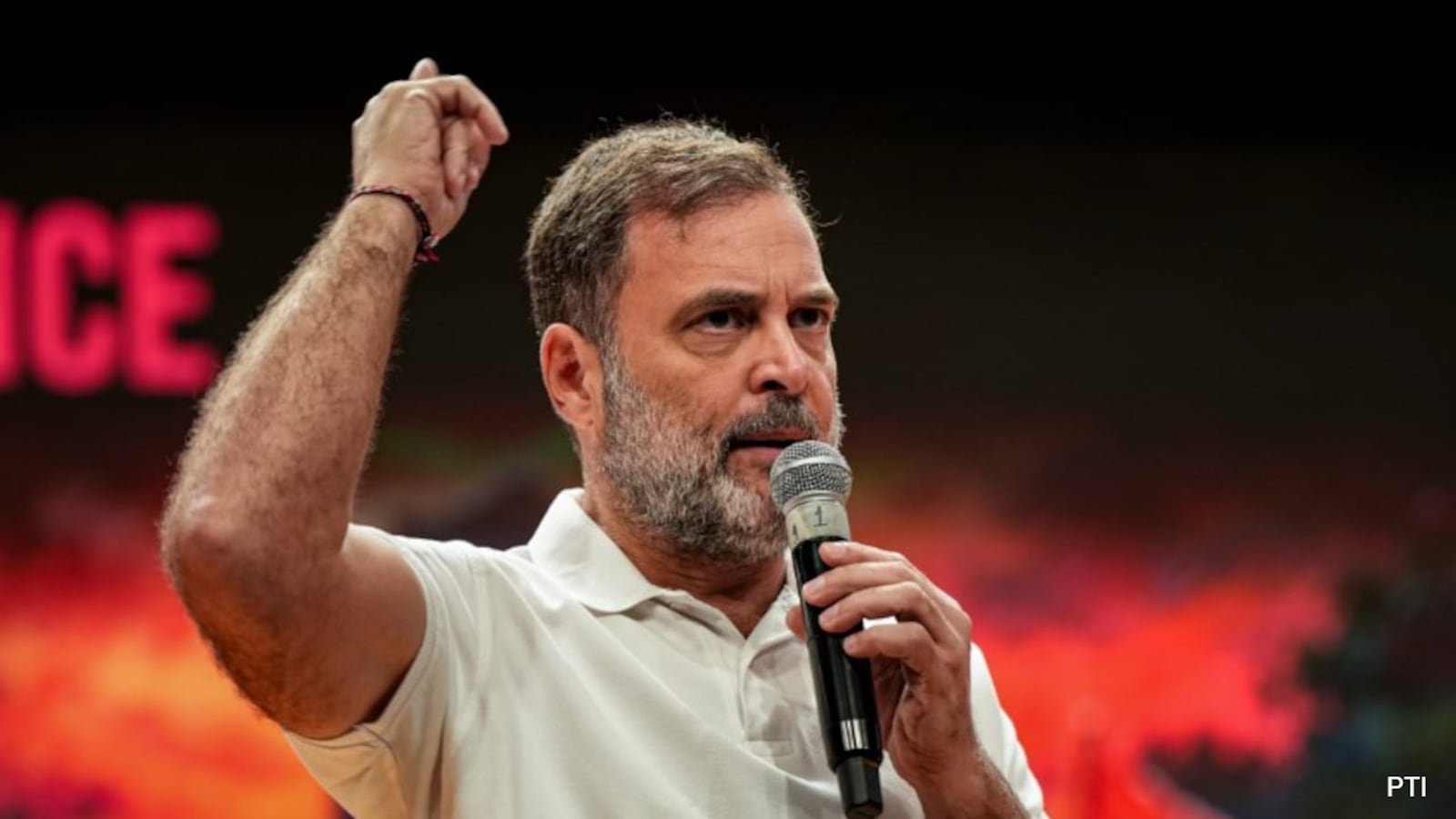
New Delhi – The political climate in India’s capital has reached a boiling point as opposition leader Rahul Gandhi, joined by scores of parliamentarians, led a high-stakes protest in central New Delhi on Monday. The demonstrators are demanding the immediate resignation of Chief Election Commissioner Gyanesh Kumar, accusing the commission of facilitating systematic electoral bias.
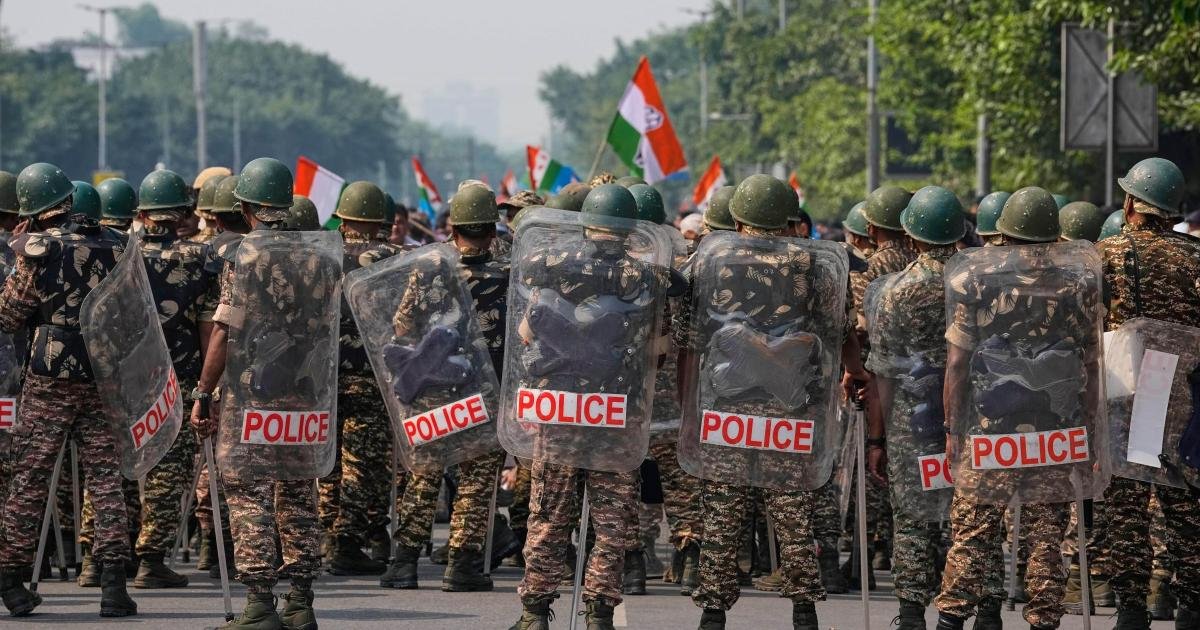
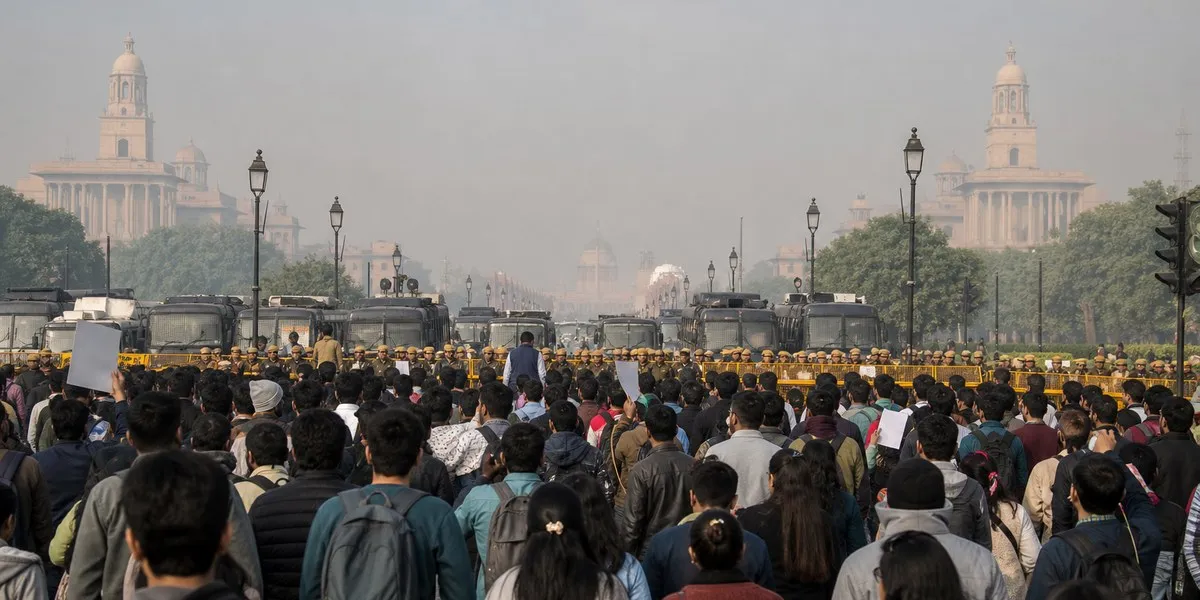
The protest brought together a diverse coalition of opposition forces, including members of the Congress party, various student-led left-wing organizations, and the Cockroach Janta Party. Amidst a heavy security presence, Gandhi launched a scathing attack on the administration, declaring that the Prime Minister’s government has effectively “turned the capital into a prison.”
During the demonstration, Gandhi escalated his rhetoric significantly, publicly calling for Kumar to face charges of treason. He warned the ruling Bharatiya Janata Party (BJP) that the opposition would not remain silent regarding the alleged erosion of democratic institutions.
Allegations of Electoral Manipulation
The root of the unrest lies in a months-long dispute over the integrity of voter rolls. Opposition leaders contend that the Election Commission has functioned as an extension of the BJP, using administrative powers to manipulate the electorate.
Since June of last year, the commission has been engaged in a nationwide exercise to update and revise voter lists. Data shows that more than 130 million names have been removed from these registers during this period. Critics, including opposition strategists, argue that this mass purge has disproportionately disenfranchised minority communities and socio-economically vulnerable groups. While the BJP has consistently denied any wrongdoing, describing the process as a standard clerical update, the opposition remains unconvinced.
The Strategy of Disruption
As security forces have tightened their grip on New Delhi, implementing mass detentions and restricting large gatherings, the protest movement has been forced to adapt. According to reports, thousands of students have been taken into custody over recent days, with widespread claims of mistreatment by authorities creating an atmosphere of palpable fear in the city.
In response, protest leaders have moved toward agile, decentralized tactics. Neha Bora, president of the All India Students’ Association, explained that organizers now announce locations just 30 minutes before a rally begins to circumvent police dragnets. Similarly, the Congress party has shifted its strategy to holding short, sudden, and unannounced protests at fluctuating locations across the capital to avoid preemptive arrests.
Political analyst Asim Ali suggests that these localized protests are evolving into a more dangerous, broader movement against the Modi administration. “We are seeing a shift where the opposition is becoming the primary public vehicle for anti-government sentiment,” Ali observed. “However, the government shows no signs of making concessions, which likely means the cycle of protests and crackdowns is set to continue for the foreseeable future.”
As New Delhi remains under a restrictive security shroud, the confrontation between the state and the opposition shows no signs of abating. With both sides digging in, the focus remains squarely on the legitimacy of the country’s electoral framework and the rights of its citizens to participate in the democratic process.
Disclaimer: This content is auto-generated for informational purposes only.
Source: Read Original News