









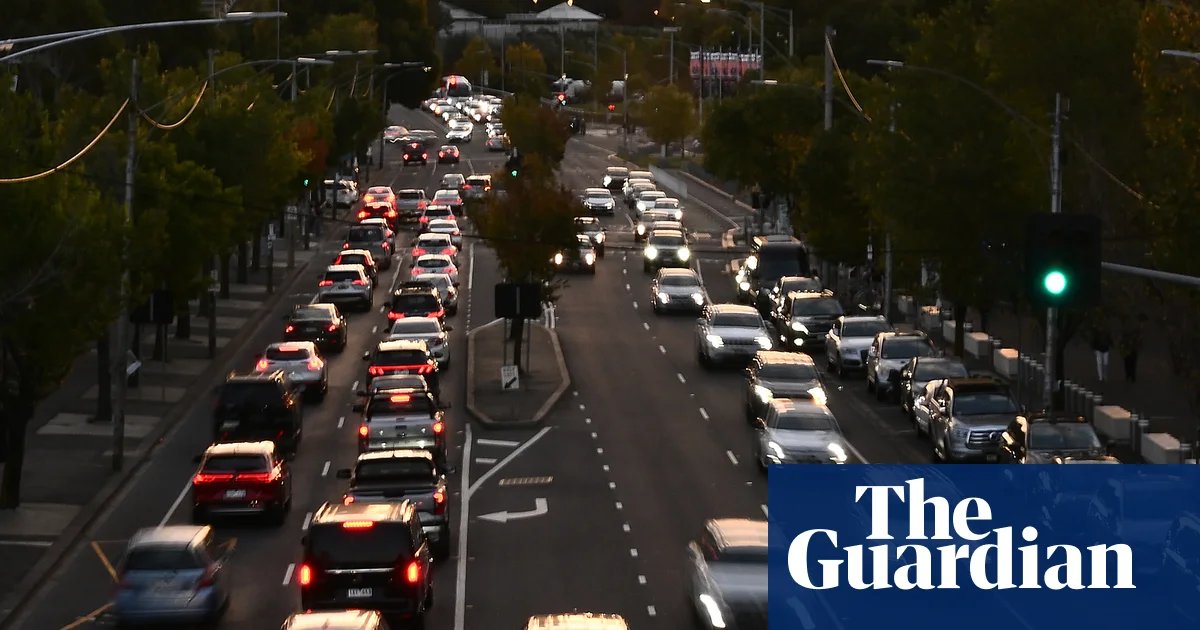
Australian households are facing the prospect of further financial strain as global oil price volatility threatens to send local petrol costs soaring and pile additional pressure on the Reserve Bank to hike interest rates.
A new modeling scenario from the International Monetary Fund (IMF) warns that a worsening conflict in the Middle East could see crude oil prices climb to US$130 a barrel by the end of this year. With global benchmark prices currently hovering above US$106 a barrel, economists warn that a US$30 jump would have immediate, painful consequences for the Australian economy.
Using the industry rule of thumb that every US$10 increase in global oil prices translates to roughly 10 cents more per litre at the bowser, analysts suggest that local unleaded petrol prices—already pushing past $2.40 in major east coast cities—could surge toward $2.70. Such a spike would represent the highest fuel costs since the onset of the conflict more than seven months ago.
The IMF highlighted the crisis as a “clear and present danger” to the global economy, detailing a scenario where shipping lanes in the Strait of Hormuz and Bab el-Mandeb remain restricted, delaying any recovery in oil supply until the end of 2027.
The potential for higher energy costs arrives at a delicate time for the Reserve Bank of Australia (RBA). Minutes from the RBA’s board meeting last month, released Tuesday, confirmed that members were already concerned that the Middle East conflict had pushed oil prices “substantially above” the levels assumed in their August forecasts.
Jonathan Kearns, chief economist at Challenger, warned that the RBA would likely have no choice but to respond to sustained fuel price hikes with further interest rate increases. “The reality is that the RBA, alongside other central banks, would have to respond to higher fuel costs with higher interest rates,” Kearns said. “The question is how much higher.”
Current economic forecasts are starkly different from the RBA’s official outlook. The central bank has based its prediction of headline inflation falling to 3.6% by year-end on the assumption that Brent crude would drop to US$81 per barrel. If the IMF’s US$130 scenario unfolds, inflation could instead remain as high as 4.5% in late 2026.
Johnathan McMenamin, head of economic forecasts at Barrenjoey, estimates that every 10% rise in fuel prices directly adds 0.33 percentage points to headline inflation. While he expects inflation to climb to 4.2% for the year ending in September, he remains slightly less convinced than some peers that the RBA will automatically trigger another rate hike, noting that the central bank has remained focused on domestic capacity constraints rather than purely external, global cost shocks.
For now, motorists and homeowners face an uneasy wait as the volatility in global commodity markets shows few signs of abating.
Disclaimer: This content is auto-generated for informational purposes only.
Source: Read Original News