









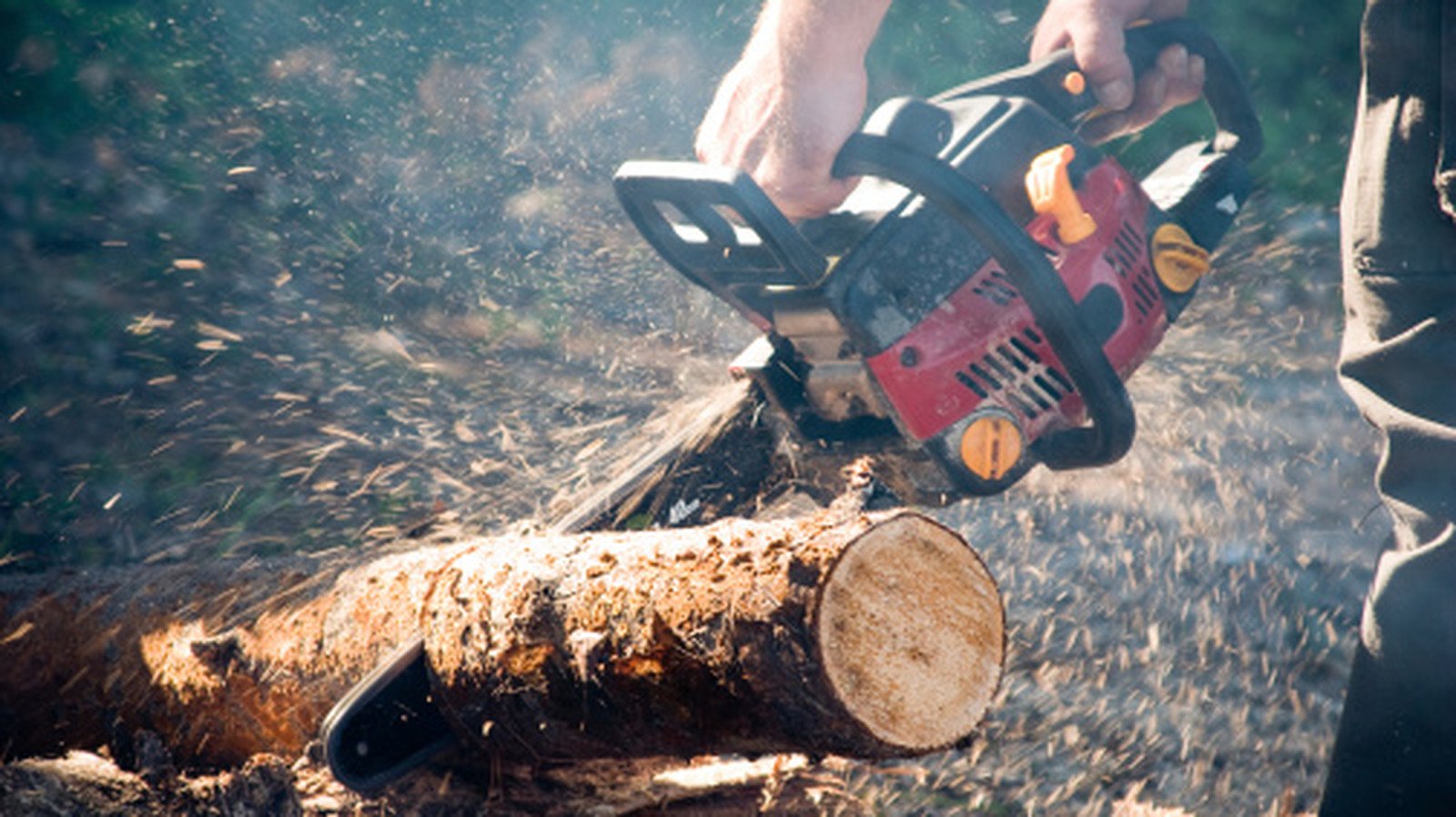
The Evolution of Field Maintenance for Chainsaws
Maintaining the sharpness of a chainsaw blade is a critical task that directly influences the efficiency, safety, and longevity of the tool. While bench-mounted electric grinders provide precision in a workshop setting, they are inherently tethered to power sources and stationary workspaces. This creates a significant hurdle for operators working in remote locations, such as forested areas or large rural properties. The industry is increasingly shifting toward portable, manual maintenance solutions that bridge the gap between heavy workshop machinery and the immediate needs of field operations.
The Tarist 6-Piece Chainsaw File Set represents this shift toward modular, high-durability field gear. Designed to replace bulky power tools in the field, this kit leverages high-carbon T12 steel to provide a portable means of restoring the tooth profile of a chain. By prioritizing portability, the set ensures that users can perform maintenance during active cutting sessions, preventing the degradation of equipment that occurs when running a dull chain for extended periods.
Technical Specifications and Material Composition
At the core of any file’s performance is the material hardness and its geometric accuracy. The Tarist set utilizes T12 steel, a material frequently chosen for cutting tools due to its ability to maintain a sharp biting edge under repeated friction. This is essential when interacting with the hardened chromium or steel alloys found in modern chainsaw cutters.
The kit includes three distinct diameters: 5/32-inch (4mm), 3/16-inch (4.8mm), and 7/32-inch (5.5mm). These specific sizes are the industry standards for the vast majority of consumer and semi-professional saw chains. By providing a comprehensive size range in a single, lightweight package, the manufacturer addresses the needs of operators who may maintain multiple tools, such as a heavy-duty felling saw and a smaller, higher-pitch pruning or pole saw. Each file is integrated into an ergonomic, non-slip handle designed to reduce hand fatigue—a significant factor during extended maintenance sessions in difficult terrain.
Integrating Angle Assist Technology
One of the primary challenges in manual chainsaw sharpening is maintaining the correct filing angle, typically 25 or 30 degrees depending on the specific chain architecture. Deviations from these angles result in poor cutting performance and can cause the chainsaw to pull to one side or vibrate excessively.
The Tarist system addresses this through its integrated “Angle Assist” feature. Positioned on the handle, this guidance system uses physical indicators to help the user align the file with the tooth’s side plate. By acting as a visual reference point, these wings minimize the guesswork often associated with freehand filing. While not a mechanical jig that locks the file into a rigid position, it provides the necessary tactile feedback to help a user maintain consistency. This feature is intended for users who have developed a fundamental understanding of chain geometry but require a reliable reference to maintain peak sharpness across varying environmental conditions.
Use-Cases in Professional and Residential Settings
The application of this file set extends beyond simple residential yard work. For landowners managing large acreage, the ability to sharpen a chain without returning to a central garage is a massive time-saver. Consider the workflow of someone clearing fallen branches or pruning fruit trees; a dull chain will bind and heat up, placing unnecessary stress on the engine or battery and increasing the consumption of bar oil.
By keeping this six-piece set in a gear bag, the operator can restore the cutter’s edge in under ten minutes during a break. This practice not only preserves the engine’s power output but also enhances operator safety. A sharp chain draws itself into the wood, whereas a dull chain requires the user to apply excessive downward force, significantly increasing the probability of accidents or loss of control.
Performance Limitations and User Considerations
While the Tarist set is a robust field tool, it is essential to recognize its role in a maintenance ecosystem. The set provides high value for those who perform routine maintenance and understand the nuances of tooth geometry. However, it does not replace the utility of a depth gauge tool or a dedicated sharpening guide for those who are just learning the craft.
Prospective users should be aware that the set includes two of each file size. While this serves as a contingency for wear or accidental damage, some users may view this as an oversupply if their specific chainsaw inventory only requires one file size. Furthermore, the reliance on a manual guide suggests that this kit is optimized for those who are comfortable with the tactile sensation of metal-on-metal sharpening. For individuals who lack experience with manual sharpening, the transition from an automated, depth-limited grinding machine to a manual file will require a short period of practice to achieve the desired results.
Impact on Equipment Longevity
The cumulative impact of using a professional-grade file set like the Tarist 6-Piece kit is substantial. Beyond the immediate convenience, the long-term benefit is the extension of the chain’s service life. Frequently touching up a chain by removing only a small amount of material is significantly better for the chain than waiting for it to become extremely dull and then needing to grind away large amounts of metal to recover the edge.
By allowing for frequent, precise maintenance, the Tarist files assist in keeping chains at their optimal performance levels longer, ultimately deferring the cost of chain replacement and improving the overall efficiency of forestry and gardening tasks. This equipment represents a practical, effective solution for anyone looking to optimize their workflow through better field maintenance.
Disclaimer: This content is auto-generated for informational purposes only.
Source: Read Original News