









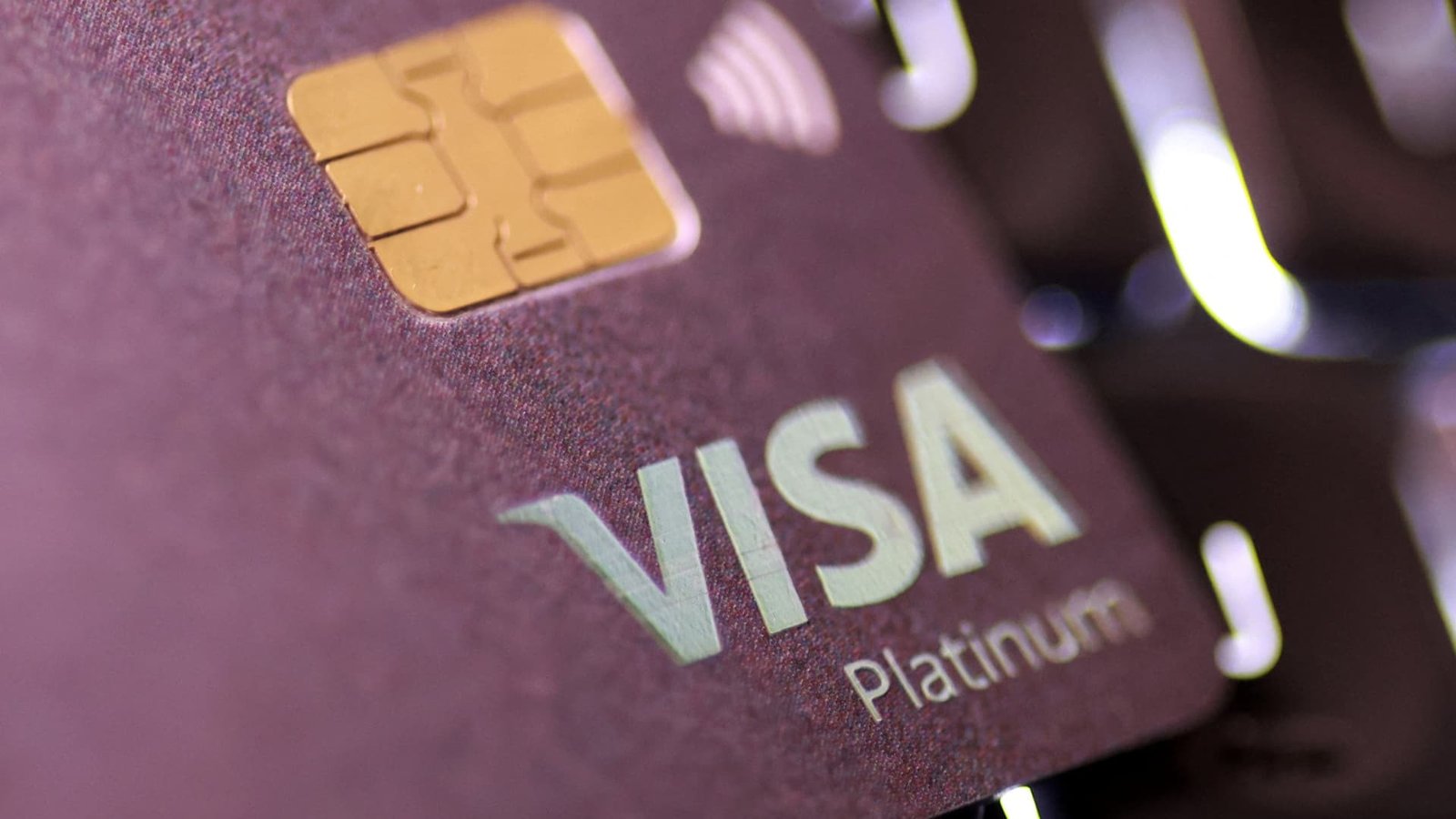
BEIJING — Visa has secured a pivotal regulatory win in its long-standing bid to enter the Chinese market, as the People’s Bank of China (PBOC) officially approved the credit card giant to establish a domestic bank card clearing business. The announcement marks a significant breakthrough for the U.S. financial services firm, which has been seeking this clearance since filing its formal application in May 2020.
Visa CEO Ryan McInerney hailed the approval as an essential step toward participating in one of the world’s most dynamic payment ecosystems. For decades, Visa has operated on the periphery of the Chinese market, primarily through partnerships with local banks for cross-border transactions. With this new mandate, the company can now begin the regulatory process required to process domestic transactions, finally competing within the borders of a country that has historically maintained a tightly closed financial sector.
## Geopolitical Timing and the Path to Access
Industry observers are quick to note that the timing of this announcement is likely tied to broader diplomatic maneuvers. The news arrives just weeks before the APEC Leaders’ Meeting in Shenzhen, where U.S. President Donald Trump and Chinese President Xi Jinping are slated to hold their third summit of the year.
George Chen, partner and chair of digital practice at The Asia Group, suggested that Beijing is intentionally signaling a move toward market liberalization to foster goodwill ahead of the high-stakes meeting. By granting Visa access, China provides a tangible economic concession to the U.S. business delegation. Records indicate that President Trump personally advocated for Visa’s market access during his diplomatic visit to Beijing earlier this May, underscoring the role of corporate interests in the current geopolitical dialogue.
## Navigating a Market Dominated by Mobile Giants
While the regulatory green light is a victory for Visa, the company faces a formidable landscape upon its entry. Unlike Western economies, where traditional card networks remain the primary facilitators of consumer payments, China is dominated by a pervasive mobile-first infrastructure. Tencent’s WeChat Pay and Alibaba-affiliated Ant Group’s Alipay hold a near-monopoly on daily consumer transactions, having bypassed the traditional card-clearing era entirely in favor of QR-code-based digital wallets.
Visa enters this space following in the footsteps of rivals who have already begun the transition. American Express gained its processing license back in 2020, while Mastercard’s joint venture successfully began processing domestic transactions in 2024. For these companies, the challenge is not just technical implementation but shifting the consumer habit toward using traditional bank cards in an environment optimized for digital payment apps.
## The Future of Payments and Digital Integration
The entry of global card networks into China also arrives at a moment of significant technological flux. As artificial intelligence and machine learning become core components of financial infrastructure, Visa and its peers are expected to integrate advanced data analytics to improve fraud detection and personalize consumer financial experiences.
For the tech industry, the move highlights the ongoing tension between “digital sovereignty” and global market access. As Visa works to integrate its backend systems with local banking infrastructure, it will likely rely on sophisticated cloud-based solutions and AI-driven clearing protocols to ensure parity with the lightning-fast transaction speeds currently provided by Chinese fintech leaders. The move suggests a potential convergence point where Western financial technology infrastructure begins to blend with China’s highly advanced, mobile-centric consumer ecosystem, setting the stage for a new phase of competition in global payments.
Disclaimer: This content is auto-generated for informational purposes only.
Source: Read Original News