









The Strategic Imperative of India’s Semiconductor Ambition
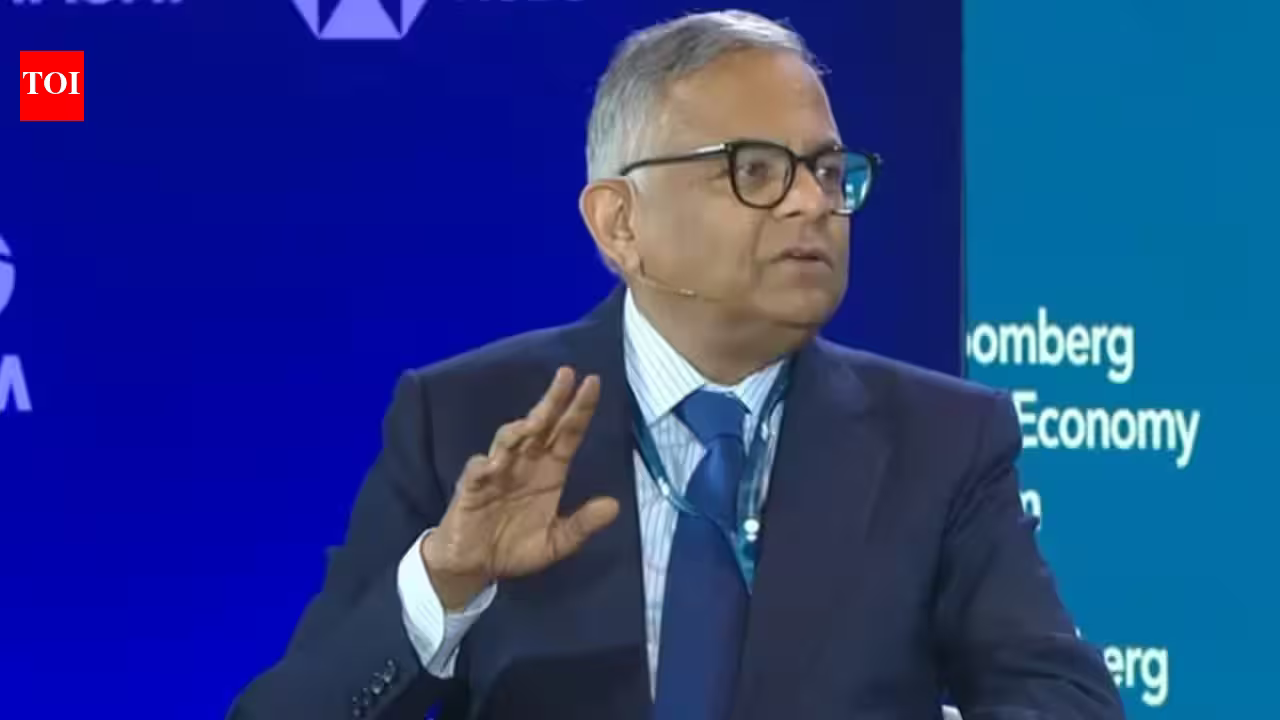
The global semiconductor landscape is undergoing a profound transformation, characterized by supply chain diversification and a strategic pivot toward geopolitical resilience. For India, the semiconductor sector has transitioned from a theoretical economic goal to a tangible national priority. Recent commentary from Tata Sons Chairman N. Chandrasekaran underscores a critical shift in how Indian conglomerates are approaching this capital-intensive industry. Rather than pursuing a race to the bottom or chasing vanity metrics, the emphasis is now firmly rooted in market-led demand, financial sustainability, and pragmatic collaboration.
India possesses several structural advantages that make it a formidable contender in this high-tech arena. A vast pool of engineering talent, a burgeoning middle-class consumer base with a growing appetite for electronics, and a government-backed production-linked incentive (PLI) framework have created a compelling narrative. However, as noted by industry leaders, the transition from aspiration to production requires more than just capital; it necessitates a granular understanding of the global supply chain, which is historically fragmented and geographically concentrated.
Balancing Technological Sophistication with Market Reality
A central theme in recent discussions regarding India’s semiconductor roadmap is the distinction between “prestige manufacturing” and “market-relevant manufacturing.” There is often an urge to move directly toward cutting-edge nodes, such as 2-nanometer chips, which represent the peak of computational power. Yet, analysts and business leaders are cautioning against this impulse. Developing state-of-the-art facilities requires multi-billion-dollar investments that yield returns only if there is a sufficient, high-volume ecosystem ready to absorb that specific output.
For India, the immediate opportunity lies in meeting domestic demand for mature and trailing-edge nodes. These chips are essential for the automobile, consumer electronics, and industrial control systems industries. By aligning investment with the current needs of the domestic market, India can build a sustainable baseline for its fabrication plants. This “demand-first” approach minimizes the risk of stranded assets and ensures that facilities remain operational and profitable. As the Indian automotive sector shifts toward electric vehicles (EVs) and smart connectivity, the captive demand for power electronics and integrated circuits creates a ready-made market for domestic producers.
The Necessity of Global Alliances
Building a semiconductor ecosystem is a cross-border endeavor that requires deep integration with established technology leaders. No single nation possesses the full spectrum of intellectual property, chemical precursors, specialized machinery, and packaging expertise required to run a world-class fabrication facility (fab). Consequently, India’s current strategy—exemplified by Tata Electronics’ partnership with Taiwan’s Powerchip Semiconductor Manufacturing Corporation (PSMC)—serves as a template for future developments.
By partnering with experienced global players, Indian firms gain more than just manufacturing equipment; they gain access to operational knowledge, quality control standards, and global logistics networks. This collaborative model mitigates the high risks associated with new entrants in the semiconductor space. The Dholera facility in Gujarat and the assembly and test unit in Assam represent a two-pronged approach: one focusing on front-end fabrication and the other on the critical backend processes of assembly, testing, and packaging (ATP). This holistic strategy ensures that India moves beyond mere assembly and captures value across the entire semiconductor value chain.
Infrastructure and Energy: The Unspoken Constraints
While discussions on semiconductors often focus on cleanrooms and wafer lithography, the physical requirements for a fabrication facility are significant. A fab operates on a scale of energy consumption that rivals small cities. Furthermore, the necessity for ultra-pure water and highly stable power grids makes infrastructure development a non-negotiable prerequisite for success.
Chandrasekaran’s focus on the certainty of energy requirements highlights a sobering reality for domestic manufacturing. India’s success in the semiconductor industry will be inextricably linked to its energy transition and grid efficiency. Semiconductor manufacturing is not just energy-intensive; it requires constant, uninterrupted power quality. Voltage fluctuations that might be acceptable in other industries can destroy an entire batch of wafers, leading to massive financial losses. Therefore, the government’s efforts to upgrade power infrastructure in industrial hubs like Dholera are as vital to the success of the chip industry as the subsidies provided to the companies themselves.
Execution as the Final Arbiter
The ultimate test for India’s semiconductor mission will be the ability to execute on project timelines and operational efficiency. Large-scale infrastructure projects in the electronics sector face complex challenges, including supply chain bottlenecks for specialized construction materials and the recruitment of highly skilled personnel capable of managing advanced chemical and robotic processes.
In the Indian context, the ability to scale up operations while maintaining the rigorous quality standards required by global buyers will determine the country’s credibility in the international market. The Indian corporate sector, through groups like Tata, is demonstrating that long-term vision must be paired with operational discipline. This implies a phased approach—starting with established, proven technologies to build a workforce with the necessary technical expertise, and then gradually progressing toward more sophisticated designs as the local ecosystem matures.
Conclusion: A Measured Path to Global Integration
India’s ascent in the semiconductor space is unlikely to be a sudden leap but rather a calculated, iterative process. By prioritizing financial viability and demand-driven manufacturing, Indian companies are positioning themselves to be reliable partners in the global supply chain rather than peripheral players. This pragmatic perspective, advocated by leaders like N. Chandrasekaran, shifts the narrative away from hype and toward the fundamental building blocks of industrial competitiveness.
As the country integrates into the global electronics ecosystem, the focus must remain on the synergy between talent, technology, and energy availability. With the government’s ongoing support and the private sector’s focus on long-term scalability, India is building the foundation to become a critical node in the global semiconductor network. The journey is challenging, but by adhering to the principles of commercial logic and technological collaboration, India is well-positioned to turn its domestic potential into a permanent advantage in the global economy.
Disclaimer: This content is auto-generated for informational purposes only.
Source: Read Original News