







The Strategic Pivot: Rising Gold Costs Reshape Indian Jewelry Consumption
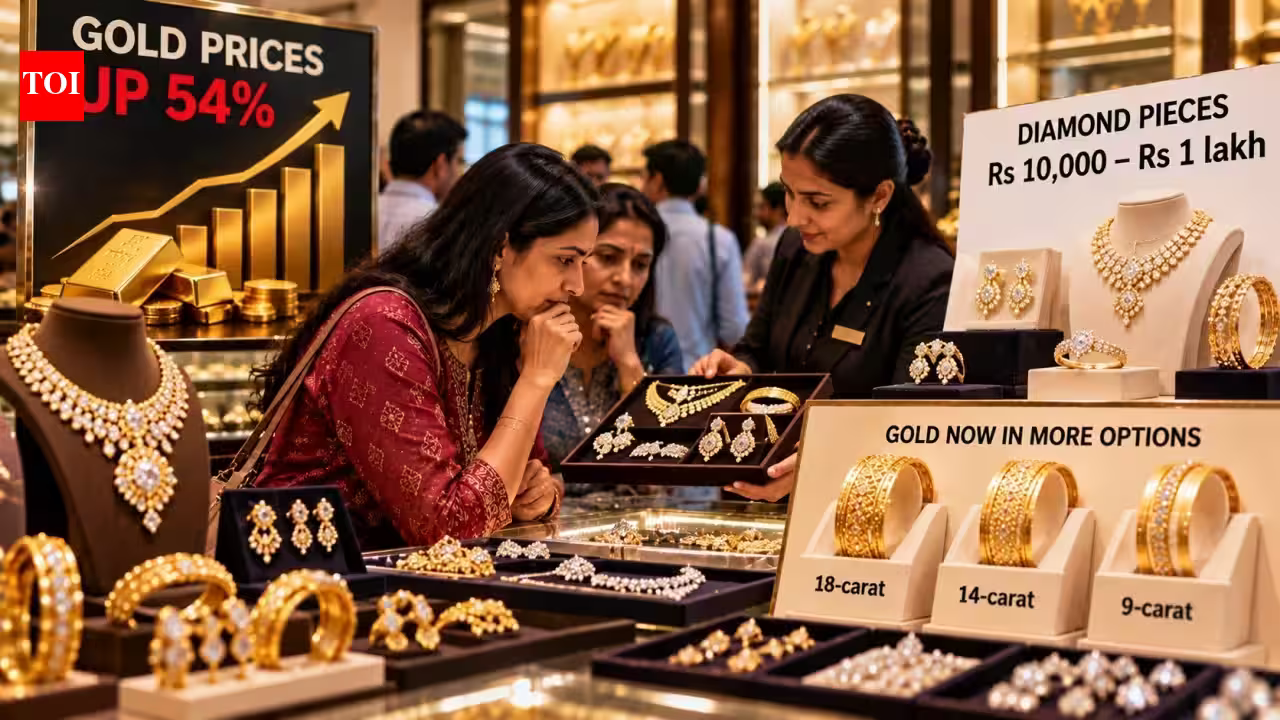
The Indian jewelry landscape is currently undergoing a structural transformation driven by a sustained and significant surge in gold prices. Over the past year, gold valuation has climbed by approximately 54%, creating a formidable barrier for the average consumer seeking to acquire traditional gold ornaments. This escalation has moved beyond a mere temporary pricing challenge; it has necessitated a permanent shift in consumer purchasing behavior and retail inventory strategies. As traditional heavy gold jewelry becomes increasingly inaccessible for many, the market is witnessing a tactical migration toward diamond-studded pieces, particularly within the accessible price bracket of Rs 10,000 to Rs 1 lakh.
For the Indian consumer, whose affinity for gold is deeply cultural, the current price volatility has turned jewelry from a standard purchase into a logistical calculation. Retailers are now responding to this by recalibrating their product portfolios. The industry is moving away from the high-weight, high-purity gold focus that dominated the market for decades. Instead, there is a clear strategic movement toward smaller, more versatile diamond jewelry. This shift is not just about substitution; it is about maintaining relevance in an inflationary environment where consumers still desire to participate in the festive purchasing cycle without compromising their financial boundaries.
The Role of Lower Caratage Gold in Market Accessibility
One of the most significant technical shifts within the Indian jewelry retail space is the widespread adoption of lower-caratage gold to mount diamond-studded pieces. To keep the final price of jewelry within the consumer’s desired range, leading retailers are increasingly utilizing 18-carat, 14-carat, and even 9-carat gold. By reducing the gold content in the structural components of the jewelry, jewelers can maintain the aesthetic appeal and durability required for daily wear while significantly lowering the overall cost.
This innovation is essential for the democratization of luxury. By using lower gold purity, retailers can ensure that the “look-to-price” ratio remains attractive. A piece that features intricate designs and shimmering diamonds can now be sold at a price point that was previously reserved for thin, simple gold chains. This adaptation allows brands to keep their inventory competitive. For the modern consumer, the value proposition has changed: the emphasis is no longer on the gold weight as a store of value, but on the design, craftsmanship, and the ability to incorporate diamonds into a daily wardrobe. This strategic adjustment is a key driver for the projected 15-20% growth in diamond jewelry sales during the current festive period.
Diamond Affordability and the Shift in Consumption Patterns
The rise in gold prices has coincided with a cooling of prices for smaller diamonds, which are currently trading at roughly 25% lower than the levels seen during the 2025 festive season. This divergence creates a unique market opportunity. While gold has become a high-value commodity that requires significant capital outlay, smaller diamonds—often referred to as melee or accent stones—have become a cost-effective way to add prestige and style to jewelry.
The market for these pieces is concentrated in the Rs 10,000 to Rs 1 lakh segment. Industry analysts note that this specific bracket has seen a decline in high-quality, pure gold offerings, effectively creating a vacuum that diamond-studded pieces are quickly filling. Consumers who might have previously purchased a 100-gram gold necklace are now choosing 60-gram pieces complemented by modern, sophisticated diamond settings. This change reflects a broader trend of “modernizing” Indian jewelry. The utility of the ornament is being redefined; buyers are showing a preference for lightweight, versatile pieces that can be styled for professional settings, evening events, and social gatherings, rather than hoarding heavy sets for infrequent wedding appearances.
Competitive Dynamics and Retail Expansion
The retail jewelry sector in India is experiencing intensified competition as both national retail chains and regional players scramble to capture the growing demand for affordable luxury. Major players like Joyalukkas and Senco Gold & Diamonds are reporting robust growth in the diamond category, specifically in items such as rings, earrings, pendants, and bracelets. These items cater to the trend of “everyday wear,” which is becoming a major revenue stream for modern jewelers.
However, the rapid expansion of regional players and the entry of several firms into the equity markets via Initial Public Offerings (IPOs) are significantly increasing market saturation. This environment forces retailers to be more efficient with their pricing and more creative with their designs. The pressure to remain profitable while dealing with high gold procurement costs has turned retail management into a high-stakes balancing act. Retailers are now investing more in brand building, customer experience, and digital presence to differentiate their offerings. As the competition heats up, the ultimate beneficiary is the consumer, who now has access to a wider variety of designs at more flexible price points, effectively bridging the gap between traditional cultural expectations and modern financial reality.
Future Outlook for the Indian Jewelry Market
Looking ahead, the shift toward diamond-studded, lower-caratage gold jewelry is likely to solidify as a permanent feature of the Indian market. The elevated price of gold has effectively changed the entry-level expectations for jewelry shoppers. As consumers become accustomed to the elegance and versatility of diamond pieces, the demand for “heavy” gold jewelry will likely be relegated to specific traditional niches, such as bridal or investment-focused acquisitions.
Furthermore, the rise of conscious consumption and the requirement for jewelry that offers functionality beyond store-of-value considerations will continue to steer market demand. Retailers that can effectively balance the traditional desire for gold with the modern requirement for diamond-driven, budget-friendly designs will likely lead the sector. With the integration of hallmarking standards and an increasing focus on transparent pricing, the industry is becoming more professional and customer-centric. The coming years will be defined by how effectively these retailers can navigate the dual challenge of fluctuating commodity prices and an evolving consumer base that demands both aesthetic excellence and practical value. The festive season serves as a litmus test for this structural shift, and all indicators point toward a continued, strong preference for diamond-studded, daily-wear ornaments.
Disclaimer: This content is auto-generated for informational purposes only.
Source: Read Original News