









The Debate on Capital Gains Taxation in the Indian Market
As the Indian government begins its meticulous preparations for the upcoming Union Budget, the discourse surrounding tax structures on investment gains has intensified. Finance Minister Nirmala Sitharaman has maintained a guarded stance regarding potential revisions to the Long-Term Capital Gains (LTCG) tax and the Securities Transaction Tax (STT). While the government remains receptive to feedback from domestic and international market participants, the current administration is prioritizing fiscal stability as it navigates the complexities of global economic headwinds.
The speculation regarding these taxes is not occurring in a vacuum. It follows a significant report by SBI Research that advocated for a radical shift in how the government approaches equity taxation. The core recommendation involves the abolition of LTCG tax on equity investments, coupled with a lengthening of the mandated holding period to two or three years. The objective of such a policy change would be to anchor foreign capital flows, transitioning the market environment from one characterized by “hot money” and short-term volatility toward a more stable, long-term investment culture.
In the current landscape, foreign portfolio investors (FPIs) have demonstrated a trend of sustained divestment. The data for 2026 underscores this shift, with substantial equity withdrawals placing pressure on the domestic market. The existing LTCG tax rate of 12.5 percent, while consistent with previous frameworks, is viewed by some institutional analysts as a friction point that inhibits the deepening of the Indian equity market. By incentivizing longer holding periods, the proposal aims to reduce the speculative turnover that often destabilizes market indices during periods of global uncertainty.
Managing Currency Volatility and RBI Intervention
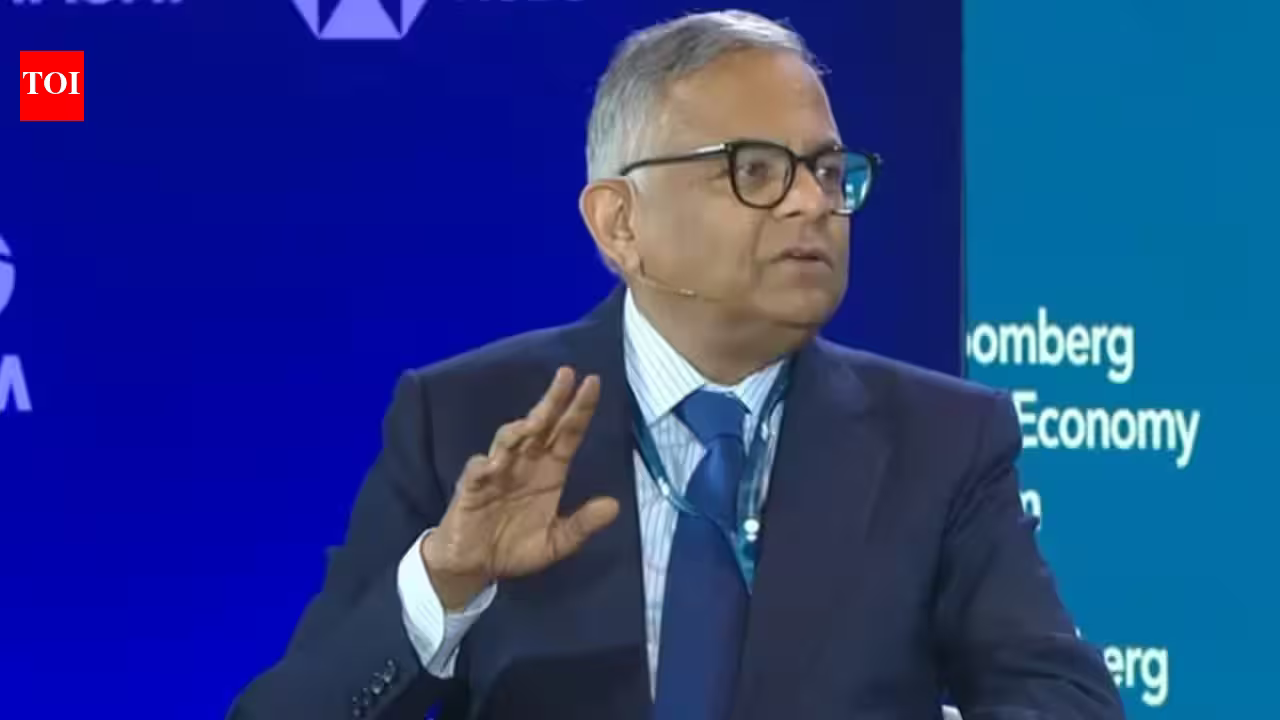
Beyond taxation, the stability of the Indian rupee remains a primary focus of the Ministry of Finance. The rupee has experienced notable depreciation over the past 18 months, largely driven by external pressures, including fluctuations in commodity prices and shifts in global monetary policy. Addressing this at the Bloomberg New Economy Forum 2026, the Finance Minister clarified that the Reserve Bank of India (RBI) is not attempting to peg the rupee to a specific level, but rather is focused on mitigating excessive volatility.
This measured approach highlights the government’s commitment to maintaining a market-determined exchange rate while deploying tools to curb speculative attacks. The RBI has been proactive, utilizing a specialized window for oil marketing companies to meet their dollar demand outside of the spot market. Furthermore, regulatory tightening in foreign exchange derivatives trading has served as a buffer against rapid, sentiment-driven outflows.
These interventions are predicated on the belief that India’s macroeconomic fundamentals—characterized by robust foreign exchange reserves and controlled fiscal deficits—are sufficient to support the currency in the long run. By allowing the rupee to find its intrinsic value while dampening sharp fluctuations, the central bank aims to provide the predictability required by both exporters and importers, thereby supporting the broader industrial and services sectors.
Strategic Sectors for Sustained Capital Inflow
Despite the noise surrounding tax policies and currency movements, the Finance Minister emphasized that the long-term attractiveness of the Indian economy is rooted in structural growth sectors. The National Infrastructure Pipeline (NIP) has evolved into a massive mechanism for capital deployment, now valued at over USD 4.5 trillion. This scale of development serves as a beacon for institutional investors seeking projects with long-term gestation periods and stable revenue profiles.
Semiconductor manufacturing has emerged as a cornerstone of the government’s industrial strategy. Unlike a strategy that focuses solely on cutting-edge advanced nodes, India is pursuing a diversified approach that spans the entire value chain. This includes the production of mature-node chips essential for automobiles, industrial machinery, and the rapidly growing Internet of Things (IoT) ecosystem. This diversification ensures that India integrates itself into the global manufacturing supply chain at multiple entry points, reducing reliance on single-sector success.
Equally significant is the focus on the intersection of artificial intelligence and physical infrastructure. The rise of data centers and high-compute environments is creating an unprecedented demand for power. The government has identified this as a major investment opportunity, particularly in the domain of sustainable energy and grid transmission. By linking renewable energy development with the power needs of modern data centers, the infrastructure sector is creating a self-sustaining cycle of private and public investment.
The Role of Institutional Financing and Private Sector Momentum
Mobilizing capital for these massive infrastructure projects requires sophisticated financial architecture. The National Bank for Financing Infrastructure and Development (NaBFID) and the National Investment and Infrastructure Fund (NIIF) are playing critical roles in bridging the gap between available domestic savings and the funding requirements of large-scale infrastructure. These institutions are designed to de-risk investments and provide the long-term tenure of debt that commercial banks are often unable to provide.
Furthermore, there is a clear trend of domestic private investment gaining momentum in high-growth areas. Sectors such as pharmaceuticals, renewable energy, and the aviation maintenance, repair, and overhaul (MRO) industry are witnessing significant capacity expansion. The aviation sector, specifically, is growing at a notable pace of 16 percent annually, which creates a derived demand for airport infrastructure, engineering services, and skilled labor.
This surge in domestic private activity serves as a signal to global investors that the growth story is not merely dependent on foreign inflows but is supported by the internal capacity of the Indian industrial base. As the government continues to prioritize fiscal discipline—maintaining a delicate balance between essential welfare spending and the need for capital expenditure in education and healthcare—the predictability of the policy environment remains a key factor in maintaining the confidence of international capital allocators.
Future Outlook and Policy Considerations
As the government approaches the Budget, the intersection of tax policy and macroeconomic stability will be the defining challenge. While the call to abolish LTCG tax carries appeal in the context of stabilizing capital flows, the government must also ensure that revenue streams remain robust enough to support the infrastructure commitments already in place.
The Finance Minister’s refusal to commit to specific tax changes reflects the necessity of a holistic review. Any shift in capital gains taxation must be weighed against the need to simplify the overall tax code and ensure that the fiscal deficit remains on a downward trajectory. Ultimately, the success of India’s economic strategy will depend on the continued integration of physical infrastructure development with supportive fiscal policies. By focusing on productivity-linked sectors such as semiconductors, renewable energy, and aviation, the Indian economy is positioning itself to withstand short-term global shocks while building the foundations for a multi-decade growth phase. Investors, both domestic and foreign, will be closely monitoring the upcoming Budget for signs that this balance between liberalization and stability has been successfully struck.
Disclaimer: This content is auto-generated for informational purposes only.
Source: Read Original News