








Microsoft Surface Laptop Ultra Challenges the MacBook Pro
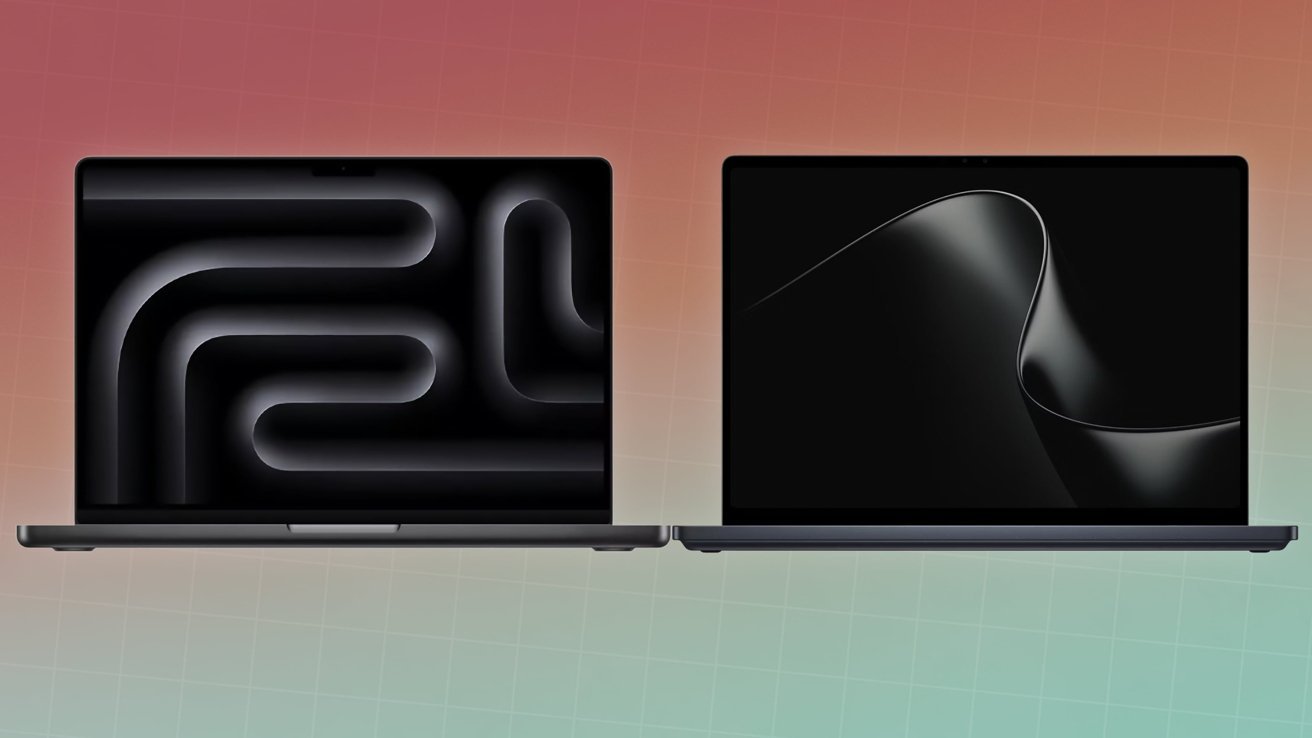
The landscape of high-performance portable computing is undergoing a significant shift with the introduction of the Microsoft Surface Laptop Ultra. By integrating Nvidia’s cutting-edge graphics technology, Microsoft is mounting a direct challenge to the 14-inch MacBook Pro, specifically targeting the Apple M5 Pro model. This competitive move includes an aggressive marketing strategy, featuring trade-in offers of up to $1,000 for users who transition from an existing MacBook Pro to the new Surface hardware.
Microsoft has positioned the Surface Laptop Ultra as a specialized machine for professionals who require significant AI computational power. While the MacBook Pro has long held the status of the industry standard for productivity, this new entrant attempts to carve out a niche by leveraging Nvidia’s Blackwell architecture, known for its extensive GPU core counts and AI processing capabilities.
Architectural Differences and Performance Dynamics
At the heart of the debate is the choice of processing architecture. The Apple M5 Pro relies on a highly efficient SoC design, balancing power consumption with substantial performance. Its integrated GPU architecture is designed to rival discrete mid-range mobile graphics despite a lower total core count. In contrast, the Surface Laptop Ultra utilizes the NVIDIA RTX Spark N1X, which emphasizes raw throughput.
The RTX Spark N1X features massive core counts—ranging from 5,120 to 6,144 cores—paired with a neural processing unit intended to handle models with up to 120 billion parameters. While this provides a distinct advantage for specific localized AI tasks, early benchmarks comparing the similar DGX Spark platform against the M5 Pro suggest that Apple retains a lead in traditional single-core and multi-core productivity tasks. The M5 Pro’s ability to maintain performance levels within a constrained thermal envelope remains a hallmark of Apple Silicon, whereas the Surface Laptop Ultra must manage the heat dissipation requirements inherent to its more robust graphics configuration.
Display Technology and Human Interface
Microsoft continues its tradition of integrating touch-sensitive panels into its premium laptops. The Surface Laptop Ultra features a 15-inch PixelSense Ultra display with a 3:2 aspect ratio, offering a high-resolution environment that favors vertical workspace. With a brightness peak of 2,000 nits and Dolby Vision IQ support, the display is engineered to be highly visible and color-accurate for professional content creation.
Apple’s 14-inch Liquid Retina XDR display, while lacking touch input, counters with its own set of advantages. The MacBook Pro provides a higher contrast ratio of 1,000,000:1 and offers an optional Nano-texture coating to minimize glare in challenging lighting environments. The decision between the two systems often comes down to the workflow preference: those who require a tactile, touch-driven interface for design or navigation may find the Surface superior, while traditional power users may prefer the established XDR display standards found on the MacBook.
Connectivity and Hardware Longevity
A critical point of differentiation lies in hardware modularity. Microsoft has opted for a more flexible storage approach in the Surface Laptop Ultra, utilizing removable Gen 5 SSDs. This allows for long-term upgrades, a feature that stands in contrast to the soldered storage found in the MacBook Pro line. For users who prioritize repairability or the ability to scale storage capacity as project files grow, the Surface offers a clear functional benefit.
Connectivity remains robust on both devices. Both manufacturers have adopted the Wi-Fi 7 standard to ensure high-speed wireless networking. However, Apple’s inclusion of Thread support and Bluetooth 6 demonstrates an effort to remain ahead in the ecosystem of smart device interoperability. The Surface provides a versatile port selection, including a dedicated USB-A 3.1 port, which remains relevant for users with legacy peripherals who wish to avoid constant reliance on dongles or hubs.
Strategic Outlook for Portable Computing
The introduction of the Surface Laptop Ultra is an exploratory step into the future of Nvidia-powered mobile computing. While the M5 Pro currently holds the lead in standardized benchmarks and overall system efficiency, the RTX Spark N1X signifies a commitment to high-intensity AI workflows that may eventually redefine mobile performance expectations.
For current buyers, the decision rests on specific professional requirements. The MacBook Pro remains the safer, more mature choice for general creative and computational tasks, benefiting from a refined ecosystem and established software compatibility. Conversely, the Surface Laptop Ultra serves as an alternative for those whose technical requirements lean heavily into local AI model deployment and who prefer a touch-oriented, modular hardware design. As this remains an introductory phase for Nvidia’s specialized mobile architecture, the technological gap between the two platforms is likely to narrow with future generational updates, marking the beginning of a sustained period of competition in the high-end notebook market.
Disclaimer: This content is auto-generated for informational purposes only.
Source: Read Original News