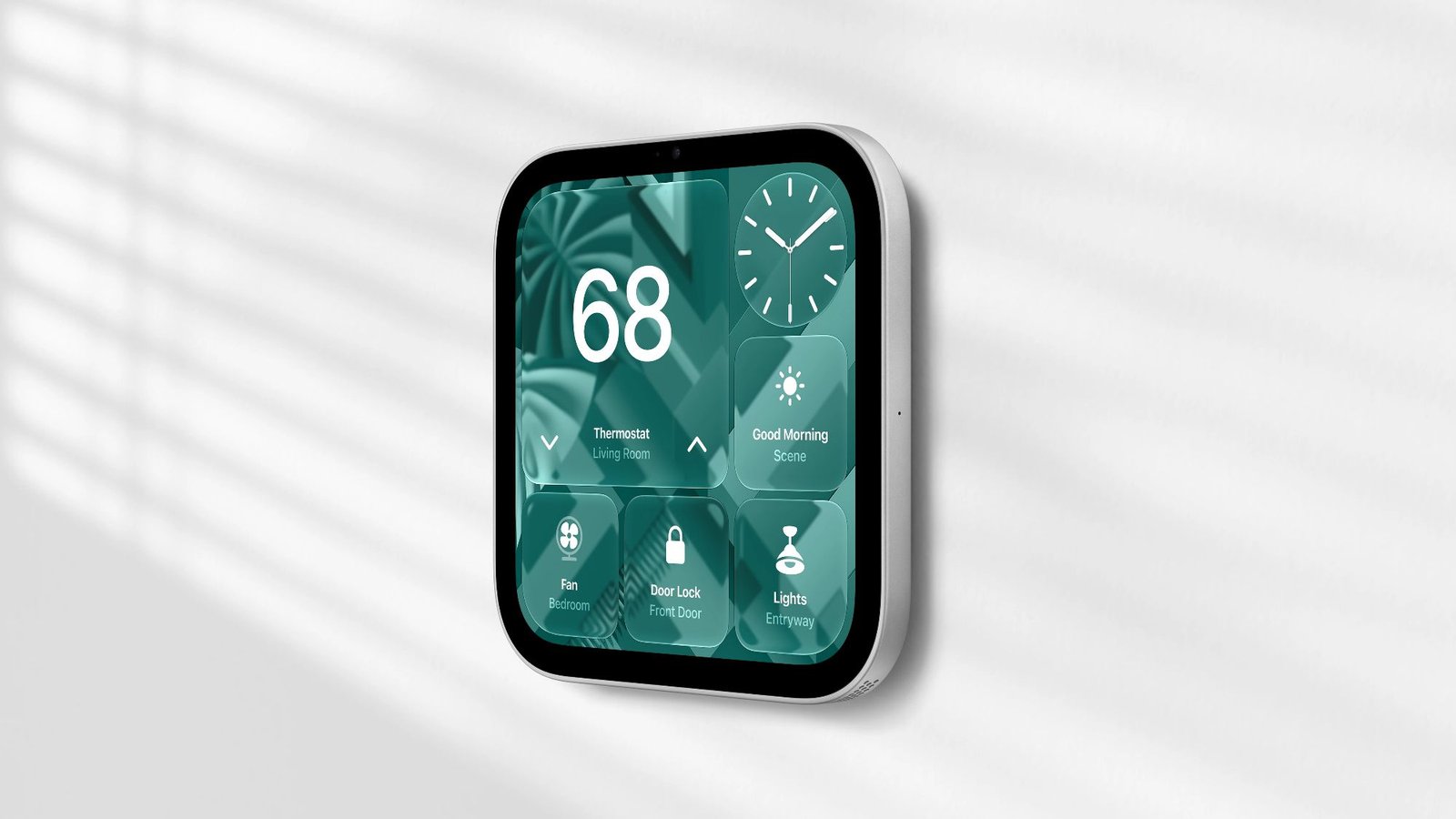








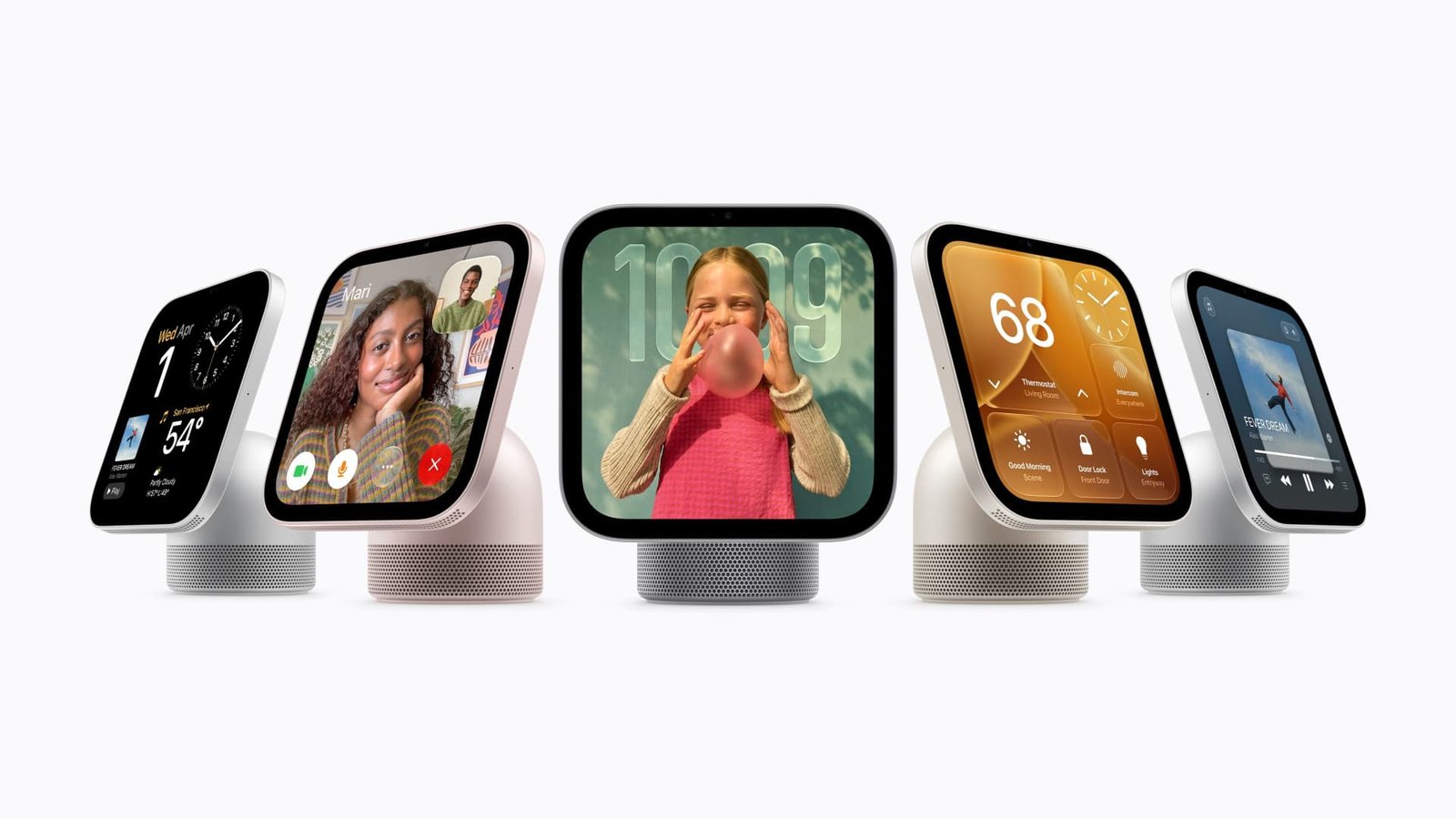
Apple has officially expanded its smart home footprint with the introduction of HomeView, a dedicated 7-inch display designed to serve as a central command center for the modern residence. This announcement marks a pivotal shift in the company’s hardware strategy, arriving under the leadership of new CEO John Ternus. Positioned as both a functional hub and a personal communication device, HomeView aims to integrate deeply into the daily routines of multiple household members.
Design and Core Functionality of HomeView
The HomeView device features a 7-inch screen that offers versatility in placement, as it is designed to be mounted on a wall or rested upon a surface. At its heart lies the powerful A18 chip, which provides the processing overhead necessary to handle complex tasks like real-time facial recognition and on-device machine learning. The system is engineered to support up to six individual user profiles, allowing the device to adapt its display based on who is standing in front of it.
When the device recognizes a user, the interface shifts to display personalized content, including data from the Calendar, Reminders, Photos, and Messages applications. This granular level of personalization ensures that while the device remains a shared household asset, it maintains a tailored experience for every member of the family. Beyond its informational capabilities, the unit functions as a high-fidelity speaker for music playback and a communication tool for FaceTime calls.
Integration and the Smart Home Dashboard
A primary function of the HomeView is to serve as a cohesive smart home hub. By coordinating notifications and managing automation sequences, it provides a centralized dashboard for monitoring and controlling the home environment. Through this interface, users can view live feeds from security cameras, adjust climate control settings, and secure entrance points like door locks.
Apple has focused on simplifying the setup process, enabling users to add compatible smart home devices from third-party manufacturers—such as LG Electronics and Schneider Electric—with a single tap from an iPhone. This ecosystem approach is designed to reduce the friction often associated with configuring complex smart home networks. By consolidating control into a single, wall-mountable or tabletop unit, Apple intends to make the management of connected appliances more intuitive.
The Role of Siri AI
The hardware launch serves as a tangible showcase for the new Siri AI capabilities that Apple began rolling out last month. Unlike previous iterations of the virtual assistant, the new system integrated into HomeView allows for more fluid, conversational interactions. Users can engage with Siri to answer complex queries, and the experience is designed for continuity; a conversation started at the HomeView can be seamlessly handed off to an iPhone or iPad as the user moves throughout their living space. This level of synchronization underscores Apple’s strategy to keep users deeply nested within its proprietary software ecosystem.
Updates to the Broader Accessory Lineup
Alongside the debut of HomeView, Apple updated its Apple TV 4K and HomePod Mini offerings. The new Apple TV 4K is now priced at $299, reflecting a strategy to emphasize premium performance, and it features a redesigned remote that includes a proximity-based sound alert to prevent loss. The HomePod Mini has received a series of new color finishes and a revised price point of $149.
These accessories represent a critical segment of Apple’s revenue, classified under Wearables, Home, and Accessories. While these devices account for a smaller fraction of total revenue compared to the iPhone, they are fundamental to user retention. The increased integration between the HomeView, Apple TV, and other mobile products suggests that Apple is prioritizing a cohesive environment that discourages migration to competing platforms like Android.
Strategic Outlook Under New Leadership
The launch of HomeView signals that the company is accelerating its product development cycles under CEO John Ternus. The current market environment for consumer electronics remains challenging, marked by persistent price fluctuations in memory and storage components. Despite these headwinds, the decision to release the HomeView at a $299 price point indicates a confidence in the company’s ability to drive consumer demand for sophisticated home hardware.
The shift in pricing strategy, notably the price increase for the Apple TV 4K, reflects the rising costs of production that the company has previously cited as unsustainable. As Apple continues to refine its “leaner and faster” approach, the focus remains on delivering high-margin hardware that reinforces the value of the broader ecosystem. HomeView is scheduled to begin shipping on November 13, marking the next chapter in how the company envisions the future of the interconnected home.
Disclaimer: This content is auto-generated for informational purposes only.
Source: Read Original News