








Reflecting on the Evolution of the Max Payne Franchise
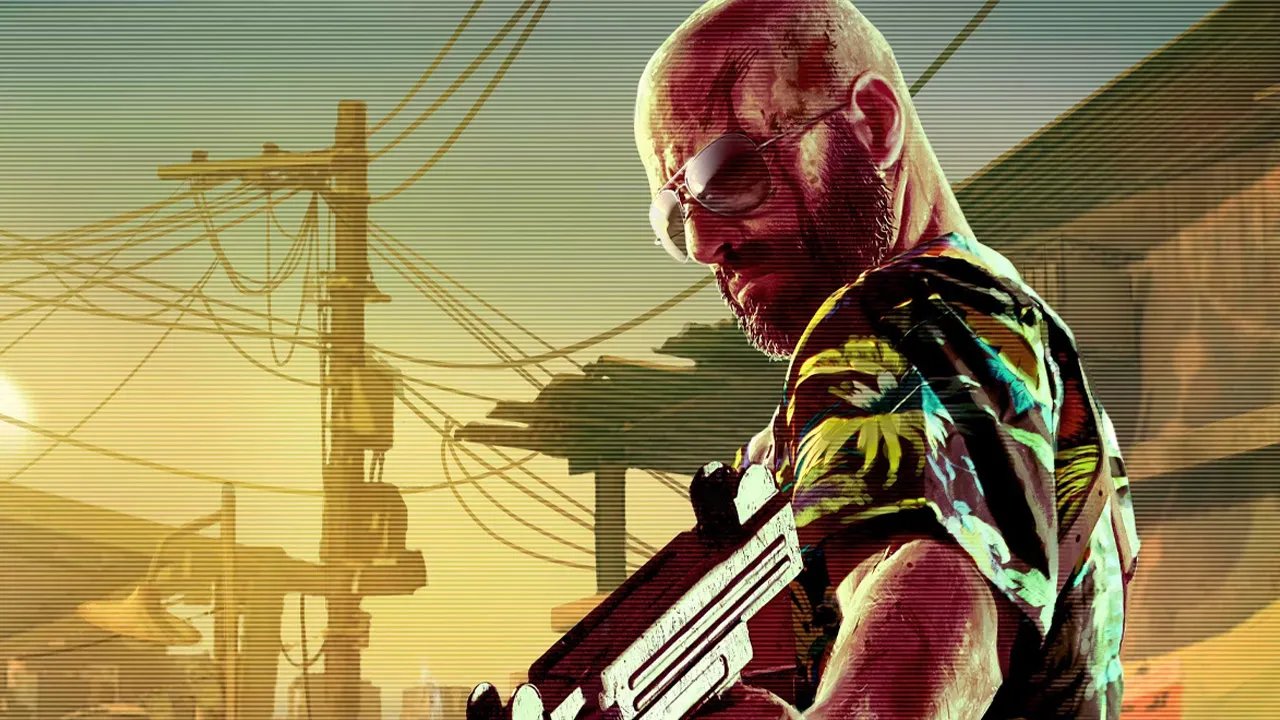
The Max Payne series remains a cornerstone of third-person shooter history. Developed originally by Remedy Entertainment, the franchise defined a specific sub-genre of action games characterized by cinematic slow-motion mechanics and a heavy, atmospheric focus on neo-noir storytelling. When Rockstar Games took the helm for the third installment, the shift in creative direction moved the series from the rain-soaked, claustrophobic streets of New York to the vibrant, high-stakes environment of São Paulo, Brazil.
Former Rockstar Vice President and lead writer Dan Houser recently shared his perspective on the development of Max Payne 3. While the project aimed to push the boundaries of linear shooter design, Houser acknowledged that the final product struggled to resonate with the existing fanbase in the way the studio had intended. This introspection provides a unique look into the pressures of inheriting a legacy IP and the technical challenges associated with maintaining a character’s identity while transitioning into a new studio’s design philosophy.
Technical Innovations in Linear Narrative Design
From a development standpoint, Max Payne 3 was a feat of technical engineering. Rockstar implemented a seamless approach to level design, aiming to eliminate loading screens to maintain a continuous, movie-like flow throughout the 12-hour campaign. This design choice was intended to immerse the player deeply into the protagonist’s psyche without external interruptions.
Beyond structural pacing, the game introduced sophisticated visual effects, such as the dynamic implementation of text overlays directly within the game world to reflect the character’s internal monologue and state of mind. By merging cinematic presentation with robust gameplay mechanics, the developers sought to modernize the noir experience. Despite these advancements in production quality, the narrative shift proved divisive. Houser noted that while the team was proud of the design and the aesthetic choices, the consensus among long-time fans was that the game strayed too far from the introspective tone established by Remedy’s initial entries.
The Complexity of Studio Succession
Transitioning a franchise between development houses is inherently difficult, particularly when the original developers, such as Remedy’s Sam Lake, have established a distinct tonal signature. Houser’s admission of personal failure regarding the game’s reception highlights a critical reality in the gaming industry: technical excellence and high production values do not always guarantee a successful translation of a brand’s core essence.
The disconnect in Max Payne 3 was primarily tonal. The Remedy games focused on a psychological, almost surreal interpretation of noir, whereas the Rockstar iteration emphasized high-octane, ballistic action and a more grounded, albeit hyper-stylized, depiction of global crime. This shift effectively modernized the gameplay loop but created a narrative friction for players who prioritized the atmosphere of the original series. The lesson learned from this evolution serves as a case study for future collaborations between studios handling legacy titles.
The Legacy of Bullet Time and Movement
Despite the debates surrounding its tone, Max Payne 3 is widely credited with perfecting the “bullet time” mechanic. The integration of advanced ragdoll physics with precise targeting systems allowed for a fluidity that few shooters have replicated since. The way the character interacts with the environment, leaning into cover or executing dives while firing, remains a benchmark for third-person shooters.
This level of mechanical polish is what developers strive to maintain when revisiting older titles. As the industry moves toward high-fidelity remakes, the challenge lies in preserving the nostalgic feel of the original mechanics while updating them for modern hardware standards. The success of future iterations in this franchise will likely depend on how well they balance the refined kinetic action pioneered by Rockstar with the melancholic atmosphere perfected by Remedy.
Looking Toward the Future of the Trilogy
As Remedy Entertainment actively works on the remakes of the first two Max Payne titles, the industry is watching closely. The partnership between Remedy and Rockstar Games signals a collaborative effort to combine the original artistic vision with modern engine capabilities. Recent updates from the studios indicate that the project is in full production, with an emphasis on close communication between the two entities to ensure the remakes honor the heritage of the originals.
While Rockstar Games is currently occupied with the release and long-term support of Grand Theft Auto 6, the continuity of the Max Payne project remains a high priority. The goal is to bring the foundational games up to contemporary graphical and mechanical standards, potentially using the Northlight engine to recreate the iconic atmosphere of New York. For fans of the franchise, these remakes represent an opportunity to experience the origin of the series with the technological advancements that have emerged in the years since the early 2000s.
Impact and Industry Significance
The history of the Max Payne franchise offers valuable insights into the evolution of narrative-driven games. It highlights the importance of maintaining thematic consistency while simultaneously pushing for technical innovation. Dan Houser’s reflection serves as a reminder that even when a game is produced at the highest level of quality, success is often dictated by the relationship between the developer’s vision and the community’s expectations. As the industry moves forward, the iterative process of trial and error—as seen in the trajectory of the Max Payne series—continues to shape how developers approach the revival and adaptation of iconic digital properties.
Disclaimer: This content is auto-generated for informational purposes only.
Source: Read Original News