








Understanding the Apple HomeView Ecosystem
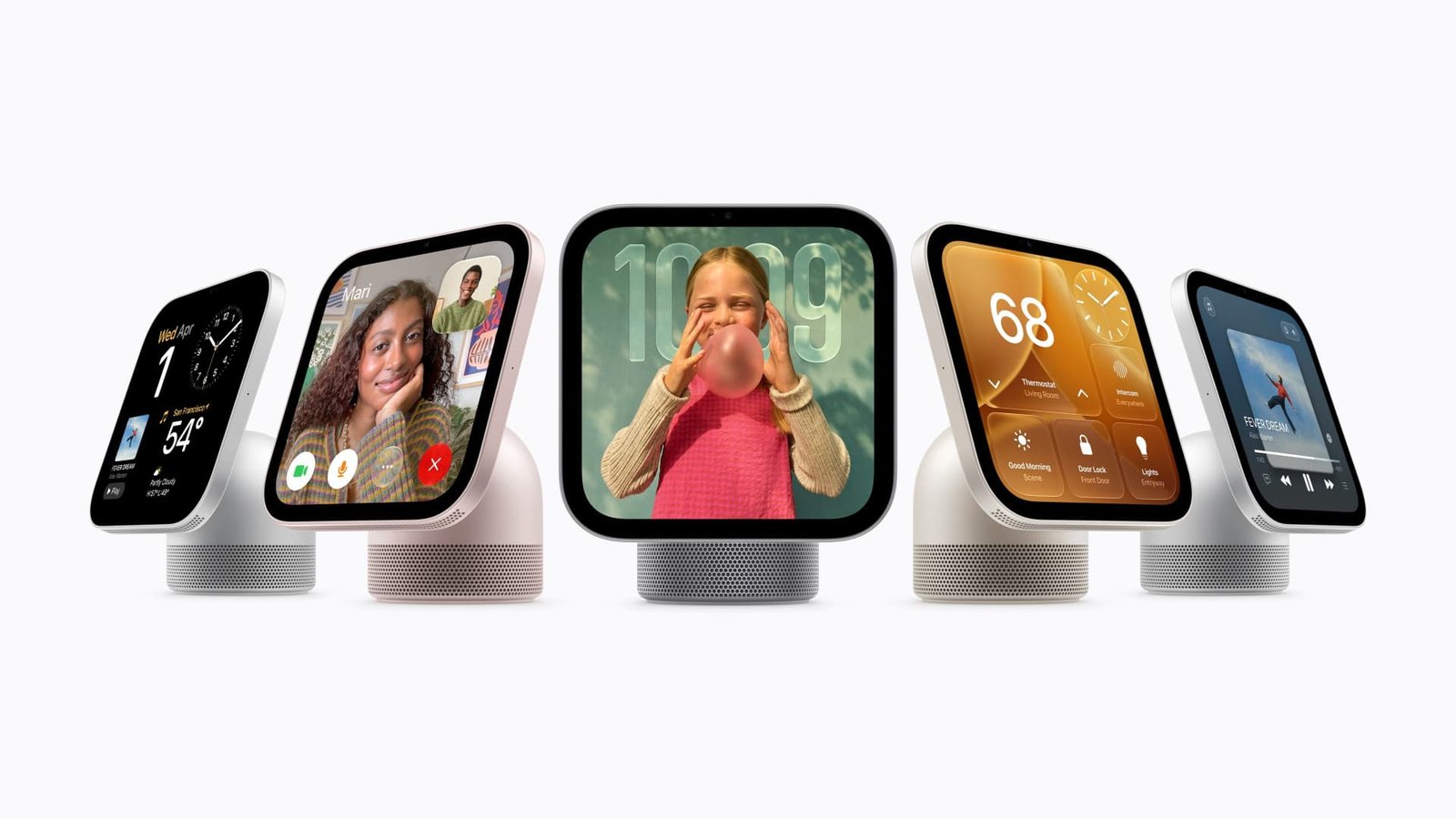
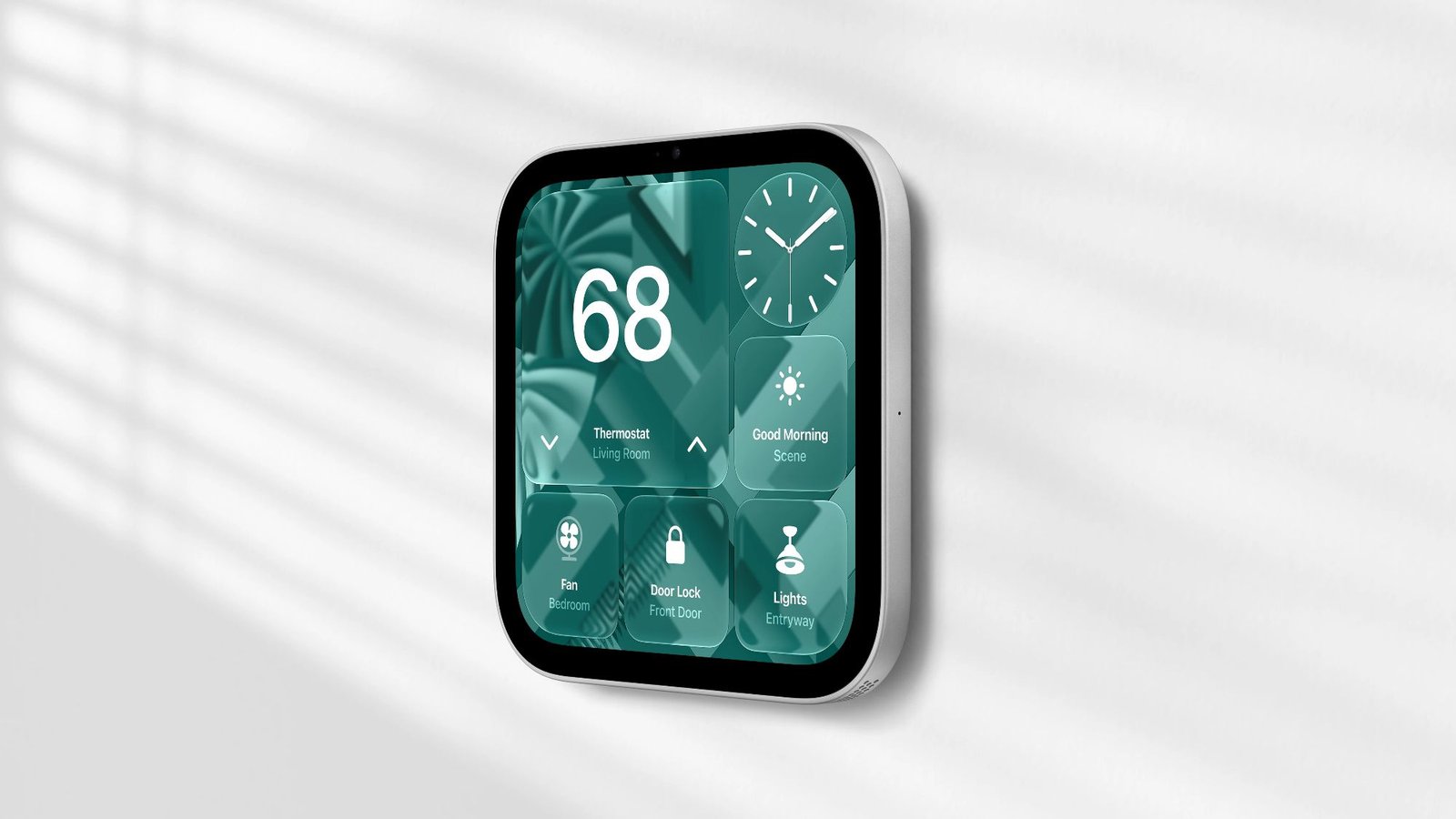
Apple has officially entered the smart home hub market with the debut of HomeView, a hardware platform designed to act as the primary interface for the connected home. The device is being introduced in two distinct configurations: a standalone unit featuring a dedicated speaker base and a wall-mounted model designed for flush integration within a living space. While both versions carry a unified retail price of $299, the acquisition cost diverges significantly when accounting for the necessary installation hardware required for the wall-mounted model.
The divergence in design philosophy between the two models suggests that Apple is targeting different segments of the consumer base. The standalone version emphasizes mobility and acoustic fidelity, fitting into areas like bedside tables or kitchen counters. Conversely, the wall-mounted version is geared toward users who prioritize a sleek, permanent installation, effectively turning the device into a fixed control panel for smart home operations.
Installation Paradigms and Mounting Requirements
A critical factor for prospective buyers of the wall-mounted HomeView is the specialized hardware required for secure installation. Because the wall-mount hardware is not included in the base price, customers must navigate a tiered set of mounting solutions that range in complexity and cost.
The Power Mount USB-C Wall Connector, priced at $59.95, serves as the entry-level solution. This unit is intended for self-installation and relies on a standard USB-C interface. Users must provide their own power adapter, which requires a minimum of 20W to function reliably. This version remains the most accessible for those who are comfortable with basic household tools and cable management.
For users seeking a more integrated aesthetic, the Power Mount AC Wired model provides a concealed power solution. By utilizing in-wall electrical wiring, this option eliminates visible cabling. Given the requirements for high-voltage handling, Apple has initiated a partnership with ADT to facilitate professional installation, ensuring that the hardware is integrated safely into existing residential electrical systems.
Finally, Apple has announced a Power over Ethernet (PoE) mount priced at $129.95. While currently unavailable, this solution will cater to homes equipped with centralized network infrastructure. PoE technology is particularly advantageous for smart hubs as it allows both data transmission and power delivery through a single Ethernet cable, providing a stable connection that does not rely on local Wi-Fi strength.
Acoustic Architecture and Performance Variations
The technical differences between the two HomeView versions extend beyond their physical form factors, specifically regarding their internal audio hardware. Both models utilize dual full-range drivers integrated directly into the display housing. In the wall-mounted variant, Apple employs proprietary computational audio algorithms specifically tuned to mitigate sound reflections and vibrations caused by mounting the device against a flat, rigid surface.
The standalone model, however, offers a more robust sonic profile due to its larger speaker base. This version includes a dedicated down-firing woofer and two force-canceling passive radiators. These components allow the standalone model to achieve a broader frequency response and better low-end performance than the wall-mounted unit. While both systems are capable of handling standard voice commands and notification alerts, the standalone model is designed to function as a primary music playback device, whereas the wall-mounted version serves primarily as an interface and communication hub.
Design and Color Aesthetic Disparities
Consumer choice is further stratified by the limited color palettes offered for each configuration. The standalone speaker version is available in four colorways: silver, space gray, starlight, and rose pink. This variety reflects its status as an interior design element meant to blend into various room decor styles.
In contrast, the wall-mounted version is restricted to silver and space gray. This reduction in variety suggests that Apple views the wall-mounted hardware as a more utilitarian, industrial-focused installation. Prospective buyers should note that opting for the wall-mounted version involves not only a higher financial commitment due to mounting hardware, but also a trade-off in aesthetic customization and acoustic capabilities.
The Strategic Shift for Apple Smart Home Integration
The introduction of HomeView signals a broader strategic pivot for Apple, moving away from simple voice-controlled speakers toward a comprehensive touch-based management system. By providing dedicated, permanent wall-mount solutions, Apple is positioning itself to compete directly with existing professional-grade automation panels. The involvement of ADT for the AC Wired installation underscores a shift toward a more service-oriented model, where the purchase of the hardware is merely the beginning of the home automation experience.
As the launch date of November 13 approaches, the market will gain a clearer picture of how these two distinct hardware strategies perform in residential settings. The success of the wall-mounted option will likely depend on whether users prioritize the clean, minimalist look of an embedded display over the richer audio and lower entry cost of the standalone system. Regardless of the choice, the HomeView ecosystem sets a new standard for how users interact with their environments, marking the most significant expansion of the company’s smart home ambitions to date.
Disclaimer: This content is auto-generated for informational purposes only.
Source: Read Original News