








Tensions Escalate in New Delhi: Protesters Demand Election Commission Resignation
NEW DELHI – The streets of the Indian capital were transformed into a volatile landscape of barricades and detentions this week as supporters of the Cockroach Janta Party (CJP) staged a massive demonstration to challenge the integrity of the nation’s electoral management. The protest, which reached a boiling point on October 10, saw thousands of citizens gather to demand the immediate resignation of Chief Election Commissioner Gyanesh Kumar.
The CJP, a political entity that has gained significant traction among the youth, has accused the Election Commission of India (ECI) of systemic failure. Central to their grievances are claims of widespread irregularities within the electoral process and allegations that the recent revision of voter rolls was manipulated to disenfranchise specific demographics.
A Crackdown on Dissent
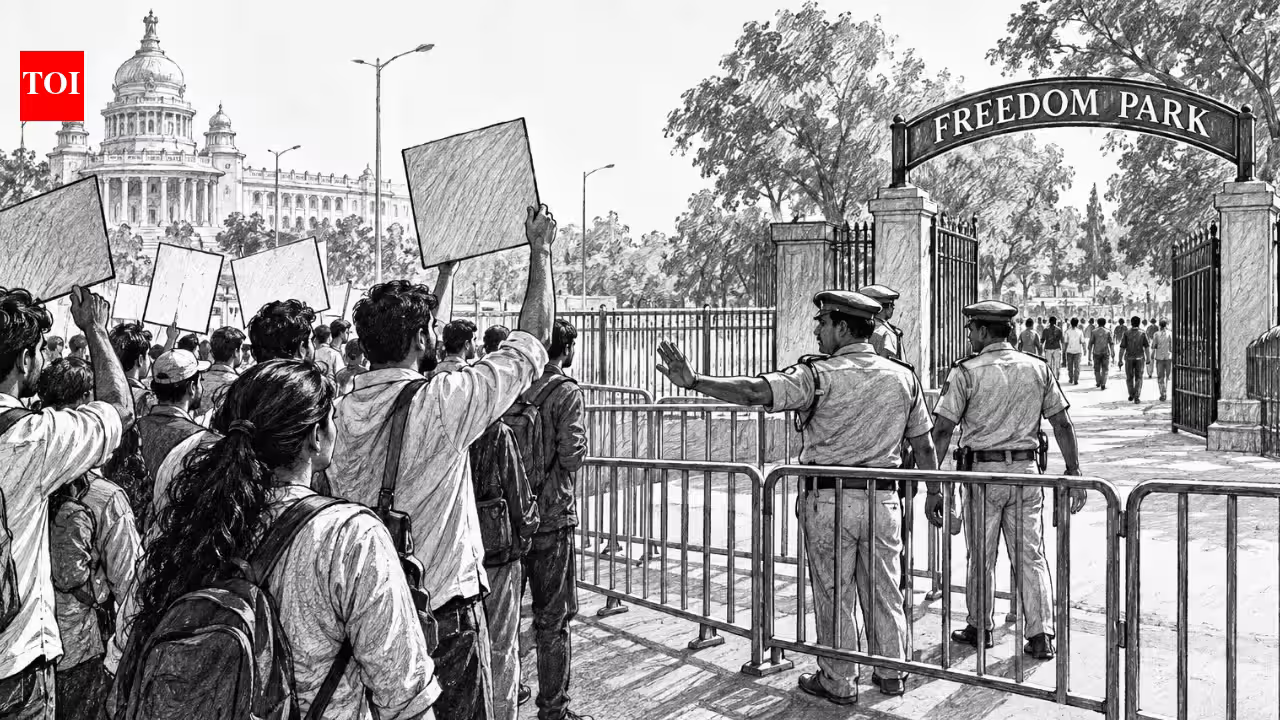
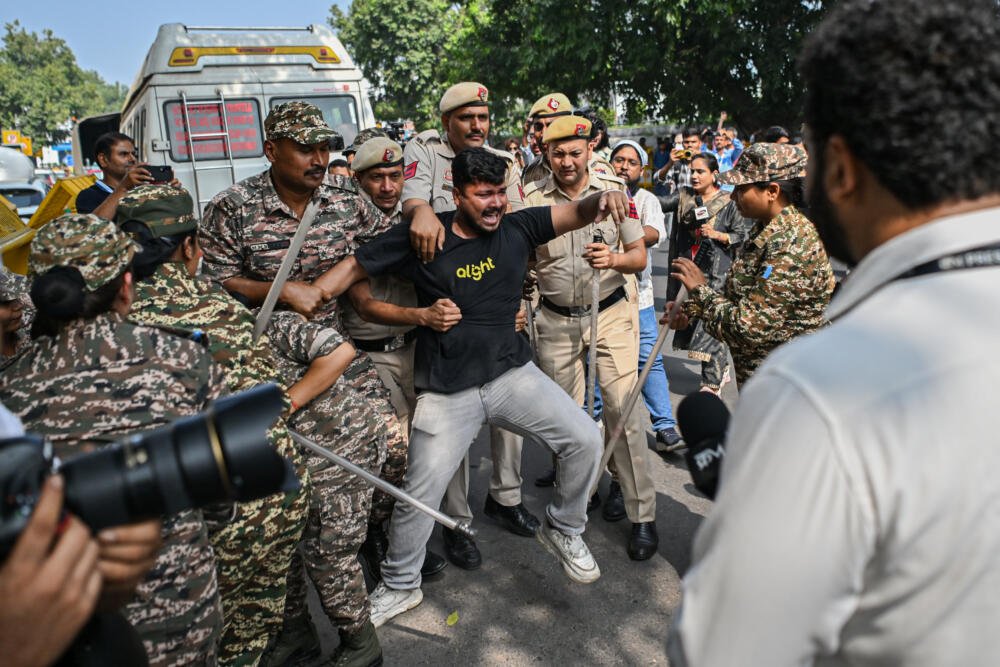
As demonstrators marched toward the ECI headquarters, they were met with a heavy-handed response from law enforcement. Police personnel, deployed in large numbers, utilized water cannons and physical force to disperse the crowds. Graphic images from the scene show officers detaining protesters, many of whom were students and young activists representing the “Gen Z” wave currently pushing for increased democratic transparency in India.
The state’s reaction has drawn sharp criticism from political observers and human rights advocates, who argue that the crackdown reflects a shrinking space for peaceful assembly. While the government maintains that the protests threatened public order, the sight of heavy police cordons blocking major arterial roads in Delhi signaled the depth of the administration’s anxiety regarding the growing unrest.
The Core of the Contention
At the heart of the standoff is a profound loss of trust in the electoral machinery. The CJP’s leadership argues that the technical aspects of recent voter roll updates appear intentionally obstructive. “The foundation of our democracy is the voter list,” said a CJP spokesperson during the protest. “If the process by which citizens are verified is compromised, the legitimacy of every subsequent vote is void.”
The protesters are specifically calling for an independent inquiry into how the ECI updated the rolls, demanding that the commission provide greater transparency regarding data verification methods. Chief Election Commissioner Gyanesh Kumar has not yet issued a formal response to the demands for his resignation, though state officials have dismissed the allegations as “baseless” and intended to incite public disorder.
A Generation at the Crossroads
The movement has been characterized by its demographic makeup. Unlike traditional Indian political mobilizations that often rely on entrenched power bases, the CJP’s call to action has resonated deeply with young, tech-savvy voters. This cohort is utilizing social media platforms to document police actions in real-time, effectively broadcasting the struggle to a global audience.
Suhasini Raj, a New Delhi-based reporter for The New York Times, noted in a recent interview that the intensity of the protests reflects a broader sentiment among young Indians. “This is not just about a single election cycle,” Raj observed. “It is a fundamental demand for accountability from institutions that many now perceive as shielded from public scrutiny.”
As of Monday, the situation in New Delhi remained tense, with police maintaining a significant presence near government buildings. While the streets have begun to clear, the political impasse persists, setting the stage for a prolonged confrontation between a mobilized public and an administration firmly anchored in its current leadership. The outcome of this stand-off will likely shape the discourse on electoral integrity in India for months to come.
Disclaimer: This content is auto-generated for informational purposes only.
Source: Read Original News