






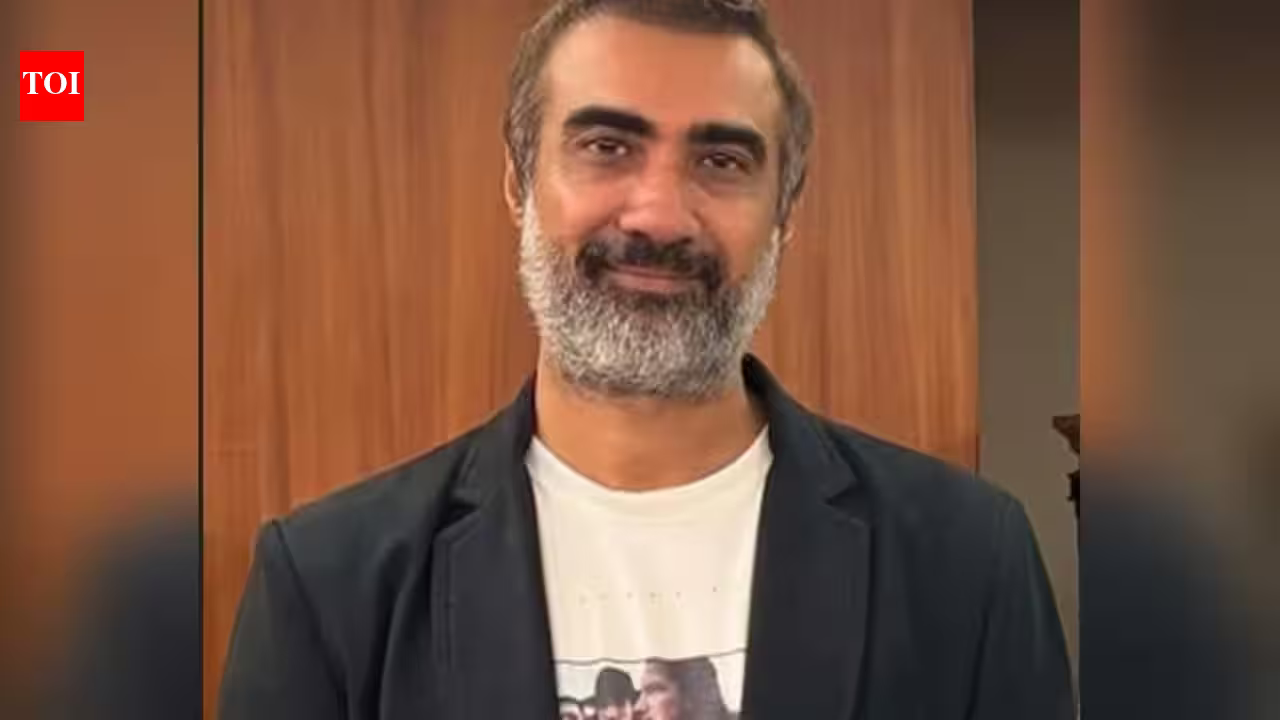
The lines between political commentary and personal safety have blurred once again in the volatile landscape of Indian social media. Actor Ranvir Shorey, known as much for his outspoken nature as his nuanced performances on screen, has found himself at the center of a chilling security crisis. The actor, who has never shied away from voicing his political stances, has formally approached the Mumbai Police after receiving a series of death threats that targeted both his professional life and his personal movements.
This incident marks a dark turn in the discourse surrounding the Citizens for Justice and Peace (CJP) protests, underscoring the increasing vulnerability of public figures who choose to engage with, or criticize, sensitive national issues. As the digital sphere becomes a battlefield for ideological dominance, Shorey’s situation raises urgent questions about the price of free speech in an increasingly polarized climate.
The Escalation from Debate to Danger
The trouble began earlier this week when Shorey took to the social media platform X (formerly Twitter) to expose the vitriol being directed at him. Sharing screenshots of emails that utilized graphic, abusive language, the actor revealed that the threats went far beyond standard “trolling.”
The content of these messages was deeply unsettling. According to the actor’s posts, the anonymous senders claimed to be actively monitoring his location and movements. By threatening specific physical violence and promising that an attack would be executed when “the time was right,” the perpetrators crossed the line from anonymous harassment into criminal intimidation. For anyone in the public eye, the realization that an online antagonist has shifted from typing insults to potentially tracking real-world movements is a profound violation of safety that demands immediate escalation.
The Digital Paper Trail and Police Intervention
Recognizing the gravity of the situation, Shorey did not wait to see if the threats would materialize. He immediately tagged official handles, including Cyber Dost and the Maharashtra Cyber Cell, bringing a public spotlight to the emails. The speed of the response was notable; the Mumbai Police, often criticized for their response times to digital complaints, reached out to the actor directly via social media, requesting his contact details through a private message to initiate an investigation.
Shorey confirmed on Tuesday that he had filed a formal complaint. By transitioning the matter from a public “call-out” on social media to a documented police investigation, the actor has signaled that he is not willing to let these threats go unanswered. The move serves as a reminder that while the internet provides a veil of anonymity, the digital paper trail left behind by such threats is becoming increasingly difficult for perpetrators to hide behind.
The Core of the Conflict: A Clash of Ideologies
The catalyst for this torrent of abuse was Shorey’s vocal criticism of the protests organized by the CJP. As the protests erupted over alleged irregularities in India’s electoral system, Shorey chose to weigh in, not by attacking the cause, but by attacking the methodology of the agitation.
In a pointed critique, he argued that the “democratic way” to effect change lies within the sanctity of the Parliament, the ballot box, and the judiciary. He famously declared, “Show your numbers in Parliament and the ballot, not the streets! And if the way to those seems unjust, show the courts! That is the democratic way! Hijacking the streets and holding the public infrastructure and law and order machinery to ransom is the actual ‘murder of democracy’!”
For Shorey, his comments were a defense of public infrastructure and the rule of law. However, in the high-stakes environment of current political discourse, such a stance was interpreted by others as an attempt to undermine a protest movement. His timeline, already a frequent site of heated debates, became a lightning rod for anger, proving that in the current climate, even a measured political opinion can trigger an extreme, violent reaction.
The Cost of Being an Outspoken Public Figure
Shorey is no stranger to online friction. Known for his wit and his refusal to adhere to the “apolitical actor” trope common in Bollywood, he has long been an active voice in digital debates. However, this incident marks a shift. There is a distinct difference between being challenged on one’s political views and being forced to fear for one’s life.
When a celebrity speaks out, they often accept the inevitability of disagreement. But the receipt of death threats suggests a disturbing trend where dissent is met not with counter-arguments, but with attempts at silencing through terror. This incident inevitably invites a broader conversation: how much space is left for public figures to engage in political critique before they are forced to withdraw into silence for the sake of their own protection?
Looking Ahead: Safety in the Age of Extremism
As of now, the investigation into the threats is ongoing. The Mumbai Police have a challenging task ahead, involving digital forensics to trace the origin of the emails and identifying whether these threats are isolated incidents or part of a more coordinated effort to intimidate critics.
Meanwhile, the entertainment industry is watching closely. Shorey, whose recent project Everybody Loves Sohrab Handa showed his continued dedication to his craft, is now balancing his professional obligations with the reality of a police investigation. His message of gratitude to those who reached out in support shows that even amidst the toxicity, there is a community of followers concerned about the erosion of civil discourse.
For now, the actor’s focus remains on the authorities. The incident stands as a stark warning about the current state of public dialogue in India. When the streets are blocked by protests and the internet is clogged with threats, the middle ground is increasingly difficult to find. Ranvir Shorey’s ordeal serves as a sobering reminder that in the battle for the “soul of democracy,” the most dangerous casualty is often the very safety and security that democracy is supposed to guarantee.
Disclaimer: This content is auto-generated for informational purposes only.
Source: Read Original News