







The landscape of Tamil cinema, often celebrated for its collaborative spirit and creative ingenuity, is currently embroiled in a tense internal dialogue. A recent series of remarks made by Tiruppur Subramaniam, the president of the Tamil Nadu Theatre Owners’ Association, has ignited a firestorm, pulling the curtain back on the often-murky financial dealings between producers, directors, and the weight of artistic ambition. As the dust settles from the initial accusations, the industry finds itself grappling with a fundamental question: where does accountability end and character assassination begin?
The Spark in the Powder Keg: Subramaniam’s Allegations
The controversy began during a segment on Tiruppur Subramaniam’s YouTube channel, where he chose to pull back the veil on the financial realities of filmmaking. Subramaniam, a veteran figure in the exhibition sector, recounted a sobering anecdote about a producer who had allegedly seen his project devolve into a bottomless pit of debt.
According to Subramaniam, the producer in question had taken a loan of Rs 4.50 crore, a figure that ballooned to Rs 9 crore due to mounting interest. The core of the grievance, as described by Subramaniam, was a persistent, uncompromising attitude from the director. Despite having completed 70 percent of the film, the production was stuck in a loop of endless reshoots driven by the director’s creative dissatisfaction.
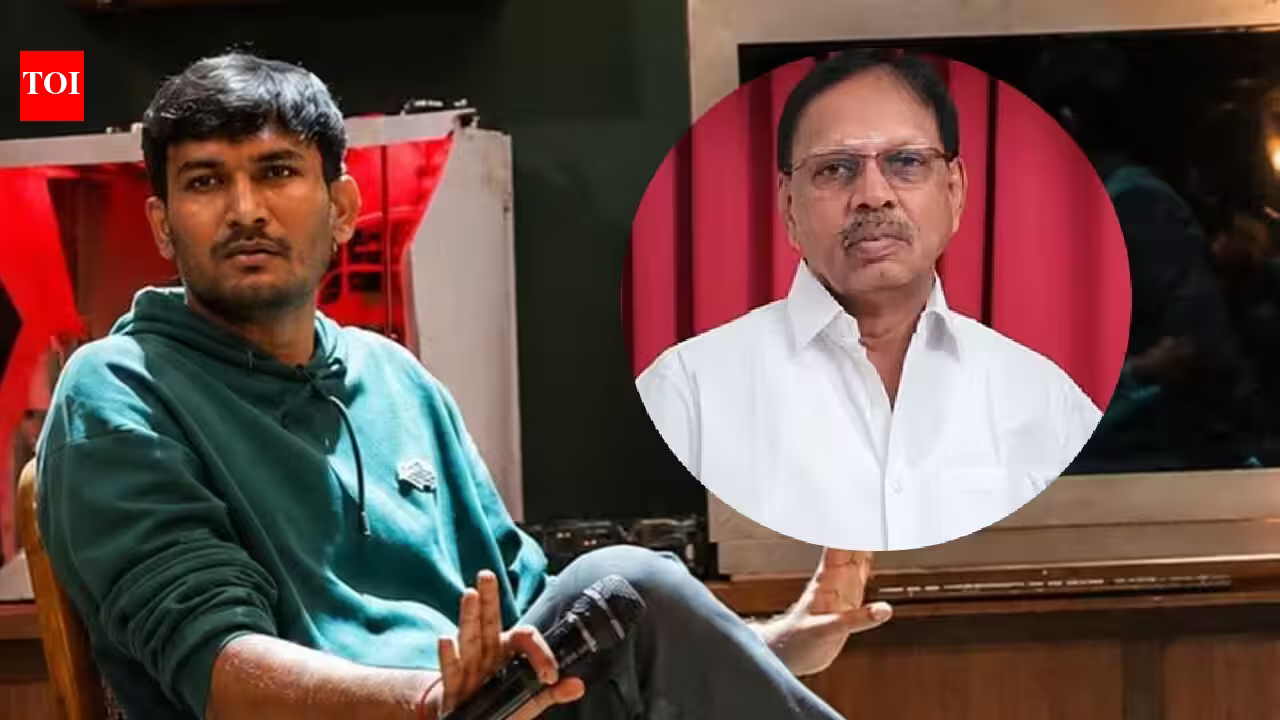
“The film is still not complete,” Subramaniam lamented, painting a picture of a project crippled by ego and mismanagement. While he refrained from explicitly naming the individuals involved, the vacuum left by his silence was quickly filled by digital speculation. Observers immediately pointed toward the collaboration between Diary director Innasi Pandian and producer Kathiresan of Five Star Creations, a narrative that spread like wildfire across social media platforms.
The Counter-Narrative: Innasi Pandian Stands Firm
The industry response to these claims was swift. Innasi Pandian, caught in the crosshairs of the gossip mill, did not remain a passive spectator. Opting for a measured, public rebuttal on X (formerly Twitter), the Diary director challenged the logic of the story presented by Subramaniam.
Pandian questioned the plausibility of the narrative, specifically pointing to the producer’s extensive track record. He argued that a seasoned producer, someone well-versed in the cutthroat realities of the business, would be unlikely to allow a project to hemorrhage money so recklessly without intervention. Pandian adopted a stance of calm defiance, stating that he was waiting for official, verified information before addressing the rumors in detail. He made it clear: if someone has a genuine grievance backed by facts, let them bring it to the table formally, and he would be prepared to answer for his creative decisions.
Ajay Gnanamuthu Enters the Fray
Perhaps the most significant pushback came from director Ajay Gnanamuthu. Known for his stylized thrillers like Demonte Colony and Cobra, Gnanamuthu has carved a niche for himself as a meticulous filmmaker. His entry into the debate shifted the focus from the specific individuals involved to the broader issue of professional ethics and the toxicity of hearsay.
Gnanamuthu didn’t just defend a colleague; he dismantled the culture of “vague accusations.” He argued that while the Tamil film industry certainly has room for improvement regarding transparency and ethical conduct, that progress cannot be built on the back of unsubstantiated rumors. For Gnanamuthu, the damage caused by a broadcasted accusation—which carries the weight of an institutional leader’s authority—far outweighs the perceived benefit of “exposing” industry secrets.
“Producers can also be responsible for allowing disputes to fester,” Gnanamuthu noted, emphasizing that the blame isn’t always one-sided. By failing to use proper arbitration channels—like the various film chambers or producers’ councils—and instead taking grievances to public forums, industry leaders risk poisoning the well for everyone involved.
A Call for Institutional Accountability
Gnanamuthu’s intervention struck a chord because it was personal. He revealed that he, too, had been a target of false allegations in the past, receiving advice to stay quiet rather than escalate the conflict. His refusal to accept that status quo is a bold move for a director in his position.
He issued a direct challenge to the industry’s power brokers: verify claims before giving them a platform. He argued that if a producer truly feels wronged, there are legal and professional channels—film bodies, associations, and even the courts—designed to handle such disputes. By bypassing these, individuals like Subramaniam are effectively acting as judge, jury, and executioner, damaging the reputations of directors who have spent years building their careers from nothing.
This perspective highlights the precarious nature of the director’s chair in Kollywood. Many of these filmmakers are self-made, navigating a landscape where the pressure to deliver a “hit” is coupled with the constant threat of financial insolvency. To paint them as the sole antagonists in a production failure is not only reductionist—it is potentially career-ending.
The Road Ahead: Transparency or Turmoil?
As the debate continues to unfold, the industry is at a crossroads. The incident has served as a catalyst for a much-needed conversation about how conflicts should be handled. Should trade association heads be using public platforms to critique production failures, or is that a breach of professional conduct?
The consensus seems to be leaning toward the latter. The need for greater transparency is undeniable, but it must be rooted in verified data, not anecdotal hearsay. If the Tamil film industry intends to compete on a global scale, it needs to treat its internal disputes with the professionalism that such a scale demands.
The incident involving Innasi Pandian and Tiruppur Subramaniam may eventually fade from the headlines, but the underlying tensions—the financial precarity of producers and the creative autonomy of directors—remain. Moving forward, the industry must decide whether it wants to continue with a culture of “public shaming” or if it is finally time to implement a more robust, private, and fair system for resolving the inevitable clashes of the creative process. Until then, the reputation of one of India’s most vibrant film industries remains vulnerable to the echoes of an unverified story.
Disclaimer: This content is auto-generated for informational purposes only.
Source: Read Original News