






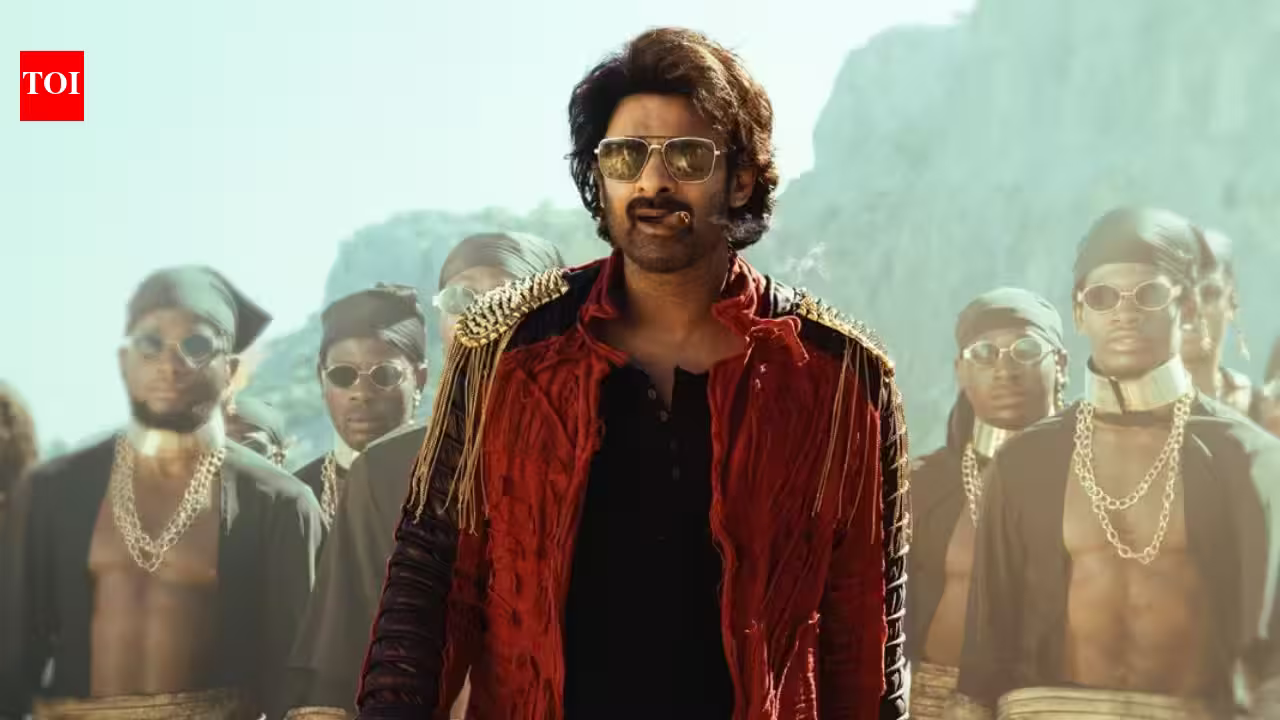
In the high-stakes ecosystem of Tollywood, where a Prabhas film is traditionally treated as a box-office coronation, the lukewarm reception of The Raja Saab has sparked a candid conversation about the precarious nature of modern blockbuster filmmaking. For a star of his magnitude—whose recent track record has vacillated between record-shattering peaks and sobering troughs—the underperformance of this horror-comedy isn’t just a statistic; it’s a masterclass in what happens when the perfect storm of commercial strategy misses the mark.
TG Vishwa Prasad, the producer behind the project, recently broke the industry silence during a promotional event in Hyderabad. Rather than offering the usual polished PR deflection, Prasad pointed to a series of strategic missteps that arguably turned a potential crowd-pleaser into a cautionary tale.
The Sankranthi Trap and Competitive Fatigue
The most glaring issue, according to Prasad, was the choice of release window. Sankranthi is the sacred season for Telugu cinema, a period of peak footfall where families traditionally flock to theaters. However, it is also a hyper-competitive landscape where audience expectations are heightened to near-impossible levels.
“One of the fundamental mistakes was coming in a season like Sankranthi,” Prasad admitted during the press conference. “It would’ve been different had we released it at a different time.”
By entering the Sankranthi fray, The Raja Saab was forced to compete not just with other releases but with the sheer exhaustion of the audience. When a film enters such a high-pressure window, it is expected to be a “festival event.” When a movie carries a massive Rs 400 crore budget and fails to deliver the spectacle commensurate with that price tag, the backlash from fans and critics is inevitably swifter and harsher than it would be during a quieter, mid-year release slot.
The Pricing Backlash: When Greed Outsells Content
Perhaps the most significant admission from the producer concerned the aggressive commercial maneuvers surrounding the film’s opening day. In an era where ticket prices are frequently inflated for “big hero” films, the strategy backfired spectacularly for The Raja Saab.
“The day we released the film, its premieres were delayed, and we had tried to raise ticket prices as well,” Prasad candidly explained. “I think that’s the first movie we tried to raise the ticket price for; we shouldn’t have done it. That caused a delay, and people were frustrated.”
This is a recurring theme in contemporary Indian cinema: the disconnect between corporate expectations and consumer patience. When theater-goers are met with exorbitant ticket hikes for a film that fails to generate immediate positive word-of-mouth, the resulting resentment creates a toxic environment that can effectively kill a movie’s momentum within hours of the first show. Prasad’s admission serves as a rare, transparent acknowledgment that the business side of the craft—specifically the “tax” levied on fan devotion—has reached a breaking point.
Assessing the Financial Reality
The math behind The Raja Saab is sobering. With a reported production budget exceeding Rs 400 crore, the film’s global haul of roughly Rs 208.39 crore represents a significant financial shortfall. Directed by Maruthi and boasting an ensemble cast that included Sanjay Dutt, Nidhhi Agerwal, and Malavika Mohanan, the film was clearly designed to be a high-concept, genre-bending experiment.
While the story—a man searching for his missing grandfather in a haunted mansion—offered a departure from the typical hyper-masculine roles Prabhas is known for, the execution failed to resonate with the wider audience. The horror-comedy genre is notoriously difficult to balance; leaning too heavily into campy humor can undercut the stakes of the horror elements, leaving the viewer feeling detached from both. In this case, the lack of narrative cohesion, combined with the aforementioned logistical hurdles, created a perfect storm of disappointment.
The Road Ahead: Spirit and the Vanga Effect
As for the inevitable questions regarding how the production house plans to recover from this setback, Prasad was quick to clarify his role in the star’s upcoming slate. There is significant anticipation surrounding Spirit, the gritty cop-drama helmed by Animal director Sandeep Reddy Vanga.
When pressed on whether Spirit is intended to be the “course correction” for his portfolio, Prasad maintained a disciplined stance: “I am only a distributor for Spirit.”
By distancing himself from the creative production of Spirit, Prasad is signaling a shift in how stakeholders are viewing the “Prabhas machine.” The star remains an A-list titan capable of pulling massive numbers, but the industry is moving away from the assumption that the name alone guarantees a hit. Prabhas is currently deep in production for the period war drama Fauzi, directed by Hanu Raghavapudi, which many believe will be a return to the larger-than-life historical scale that his fanbase craves.
A Lesson for the Industry
The post-mortem on The Raja Saab suggests that the era of “blind confidence” in big-budget casting is waning. Audience loyalty is a finite resource, and as theater attendance becomes more expensive and more selective, the margin for error has vanished.
If there is a silver lining to be found in the failure of The Raja Saab, it is the newfound willingness of producers to openly discuss the mechanics of success and failure. Prasad’s transparency is a refreshing, albeit painful, reminder that at the end of the day, a movie’s survival depends on the harmony between its release timing, its value proposition to the audience, and the quality of the storytelling. For Prabhas, the journey continues, but the lesson is clear: even for a cinematic giant, the audience is no longer willing to pay a premium for a product that hasn’t earned its keep.
Disclaimer: This content is auto-generated for informational purposes only.
Source: Read Original News