









Strategic Impact of Productivity Linked Bonuses in Public Infrastructure
The recent approval by the Union Cabinet of a Productivity Linked Bonus (PLB) for railway employees marks a significant moment in the operational management of one of the world’s largest public enterprises. By sanctioning Rs 2,009.61 crore to be distributed among 11.41 lakh non-gazetted staff, the government is not merely providing a festive incentive; it is reinforcing a framework that ties fiscal rewards to operational outputs. In the context of Indian infrastructure, where the efficiency of the railway network dictates the pulse of the national economy, this payout serves as a metric-driven acknowledgment of the workforce’s contribution to high-volume logistics and transit.
The bonus, which amounts to a maximum of 78 days of wages per eligible employee, is structured to cover a wide spectrum of critical roles. From track maintainers and loco pilots to station masters and technicians, these personnel are the backbone of the Indian Railways’ daily operations. By linking this payout to the 1,670 million tonnes of freight loading and the movement of 7.41 billion passengers recorded in 2025-26, the administration is underscoring the importance of productivity targets. This incentive model acts as a performance management tool that aligns the individual goals of over a million employees with the macro-objectives of the Ministry of Railways.
Economic Significance of Institutional Performance Incentives
From an economic perspective, the disbursement of such a substantial sum ahead of the festive season serves two primary purposes: workforce stabilization and market liquidity. In the Indian context, the timing—strategically planned before Durga Puja and Dussehra—acts as a catalyst for local retail demand. When a significant portion of a massive workforce receives a fiscal infusion, it typically results in increased consumer spending, which stimulates local economies across various states.
However, the analytical importance of the PLB goes beyond seasonal consumption. It reflects a shift toward performance-based governance in public sector units (PSUs). By creating a direct correlation between the achievement of freight targets and the payout, the government fosters a culture of accountability. When employees recognize that their financial rewards are tied to tangible operational metrics, it encourages higher levels of diligence and safety. Given that the Indian Railways is an essential service, even marginal improvements in operational efficiency can translate into significant reductions in logistics costs for the broader industrial sector, thereby enhancing the global competitiveness of Indian manufacturing.
Operational Benchmarks and the Logistics Challenge
The 2025-26 performance figures provided by the government serve as a benchmark for the scale of operations managed by the railway network. Processing 1,670 million tonnes of freight is a monumental logistical achievement that keeps industries such as coal, steel, cement, and agriculture moving. For an economy aiming to sustain high GDP growth rates, the bottleneck is often transport infrastructure. Therefore, the efficiency of loco pilots, signal engineers, and track maintenance teams is not just a departmental concern but a national economic priority.
The inclusion of technicians and track maintainers in this bonus structure highlights an emphasis on asset integrity. In a network as dense and heavily utilized as the Indian Railways, maintenance is the difference between peak performance and systemic delay. By incentivizing the personnel responsible for this upkeep, the ministry ensures that the infrastructure remains resilient under the pressure of constant usage. The operational performance cited in the government report indicates that the workforce has successfully navigated the challenges of immense traffic density, justifying the allocation of the Rs 2,009.61 crore bonus as a dividend for successful risk and resource management.
Labor Relations and Workforce Motivation in Public Service
Effective management of such a vast human resource base is a complex undertaking. With over 11 lakh employees, the Indian Railways represents one of the largest employers globally. Maintaining morale and ensuring compliance with strict safety standards require more than just administrative oversight; it requires a structured incentive program that is transparent and predictably tied to performance. The PLB acts as a formalized agreement between the employer and the workforce, mitigating labor unrest and creating a sense of shared success.
In any business environment, particularly in highly unionized sectors like public transport, the perceived fairness of bonus structures is critical to maintaining a healthy industrial climate. By standardizing the bonus based on 78 days of wages, the government minimizes ambiguity. This consistency is essential for workforce retention and motivation. When employees feel that their labor is accurately reflected in the profit-sharing or productivity-sharing model, it results in better adherence to protocols, reduced absenteeism, and a more focused commitment to the organization’s long-term targets, such as safety upgrades and digital integration.
Future Trends in Infrastructure Compensation Models
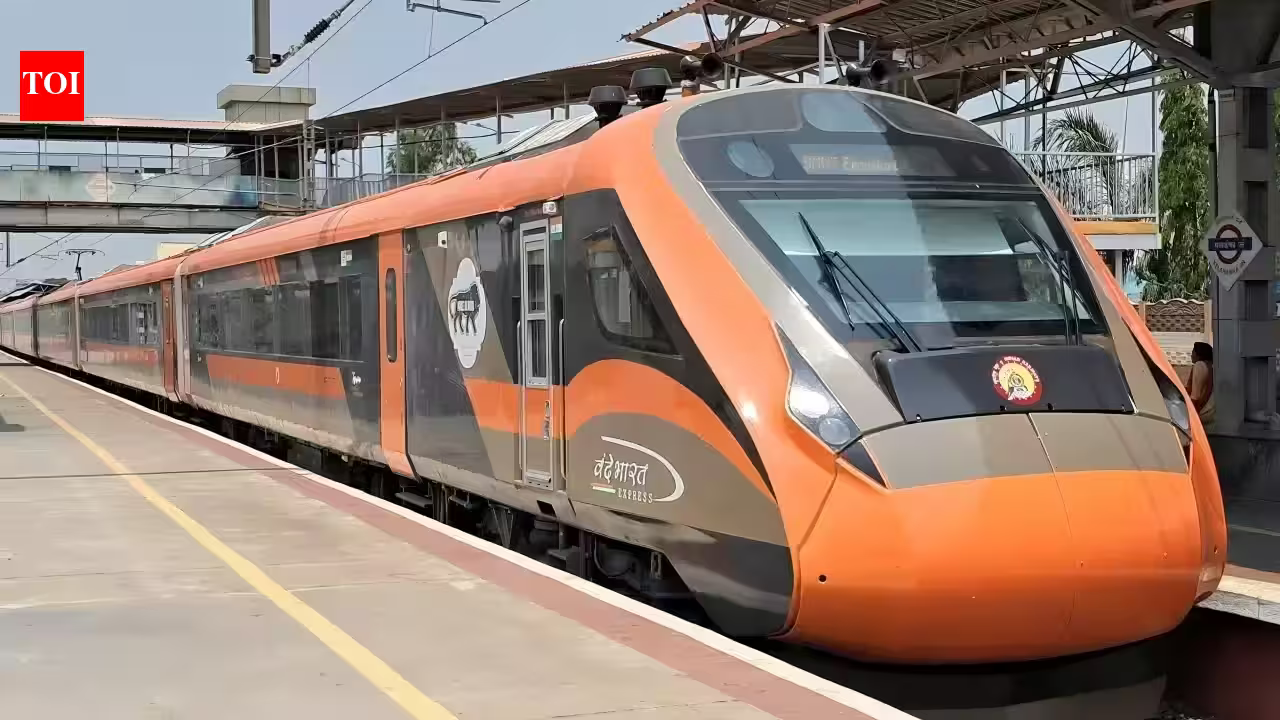
As the Indian Railways continues its trajectory toward modernization—evidenced by the introduction of new rolling stock, automated signaling, and expanded electrification—the nature of work performed by its staff will continue to evolve. Future compensation models will likely need to account for higher skill requirements and technological adaptability. The current PLB model provides a strong foundation, but it also raises questions about how performance incentives might be refined to reward innovation and technological adoption in the coming years.
The integration of data analytics into freight management and passenger operations will require employees to interact with sophisticated digital interfaces. As the role of the human operator changes, incentive schemes may need to pivot from purely volumetric metrics—such as tonnes of freight—toward quality-of-service metrics and technological efficiency. If the goal of the government is to continue the trend of high-volume performance seen in 2025-26, future bonus structures will likely remain a hybrid of traditional productivity measures and new benchmarks for excellence in digital operations.
Ultimately, the cabinet’s decision to authorize this bonus package underscores the government’s commitment to the workforce that sustains India’s vital transport arteries. It serves as a reminder that large-scale infrastructure projects are only as efficient as the individuals operating them. By rewarding performance in a systematic and public-facing manner, the Ministry of Railways not only stabilizes its workforce but also signals to the private sector and the broader investor community that the organization remains focused on achieving its operational and financial targets through a disciplined, incentive-driven approach. As India eyes further expansion in its logistics and transport corridors, this cycle of productivity and reward will remain a cornerstone of the nation’s infrastructure strategy.
Disclaimer: This content is auto-generated for informational purposes only.
Source: Read Original News