








Decentralization of Production and Manufacturing Scalability
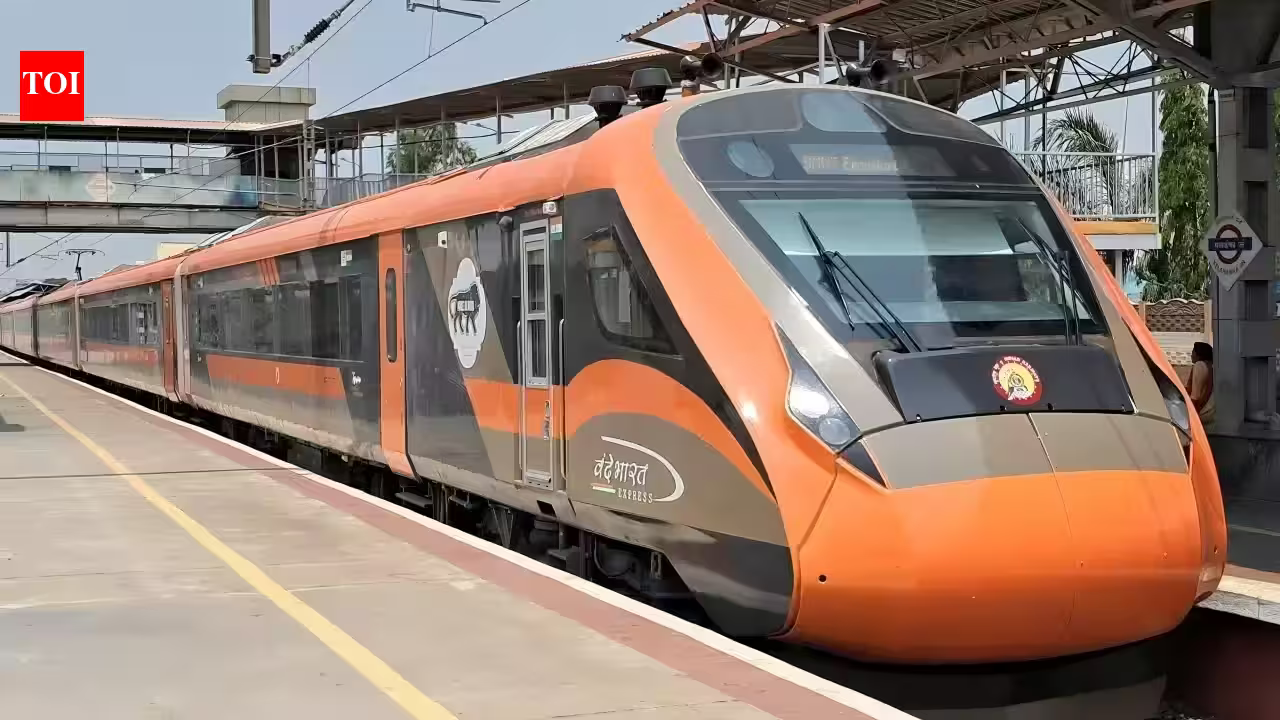
The shift in Vande Bharat Express production marks a pivotal transformation for the Indian Railways’ industrial framework. Initially, the production of these semi-high-speed train sets was confined to the Integral Coach Factory (ICF) in Chennai. This centralized approach served as the primary incubator for the technology, enabling the development of a robust design and assembly process. However, as the demand for modern, efficient rail travel surged across the Indian landscape, a single-factory model became insufficient to meet the ambitious rollout targets set by the Ministry of Railways.
By 2026, the expansion of manufacturing capabilities to the Rail Coach Factory (RCF) in Kapurthala and the Modern Coach Factory (MCF) has effectively decentralized production. This strategic move does not merely increase the sheer number of coaches produced; it distributes technical expertise and operational excellence across the country. The RCF, in particular, has demonstrated its manufacturing maturity by successfully testing a 16-coach Vande Bharat train set at 180 kmph on the Mathura–Nagda section. Achieving such rigorous safety and performance benchmarks validates the national effort to standardize high-speed manufacturing, ensuring that train sets built in Punjab or Uttar Pradesh maintain the same quality and safety integrity as those from Chennai.
Technical Milestones and Operational Efficiency
The success of the RCF-manufactured train set during high-speed trials under the supervision of the Chief Commissioner of Railway Safety (CCRS) signifies more than just a test of mechanical speed. It represents the maturation of India’s indigenous engineering capabilities. Unlike conventional trains that rely on a separate locomotive for traction, the Vande Bharat is a distributed power train set. This architecture allows for superior acceleration and deceleration, critical factors for reducing journey times by up to 20 percent on busy trunk routes.
The ability to operate at 180 kmph requires not only high-performance motors but also advanced braking and safety systems. The integration of regenerative braking technology is a standout feature, allowing the train to recover energy as it slows down. This contributes to improved energy efficiency and reduced operational overheads. Furthermore, the inclusion of the KAVACH system—the indigenous Automatic Train Protection technology certified to Safety Integrity Level-4—ensures that as speeds increase, passenger safety remains at the forefront of the design. These technical advancements are essential for transitioning from legacy rail systems to a modern, high-velocity network capable of competing with air and road travel.
Enhancing the Passenger Experience through Innovation
Beyond the technical mechanics, the Vande Bharat series represents a significant upgrade in the user experience of Indian rail travel. The design philosophy shifts the focus from basic transportation to comfort and convenience. Features such as European-style seating, automatic plug doors, and wide, fully sealed gangways reflect a modernized approach to rail transit. These design elements ensure that the train functions as a unified, seamless unit, drastically reducing the noise and dust infiltration common in older rolling stock.
Digital integration further distinguishes the Vande Bharat. With GPS-enabled passenger information systems, onboard infotainment, and carefully engineered suspension systems that minimize jerks, the train provides a level of comfort previously uncommon in domestic public transit. As the technology evolves through successive iterations, such as the Vande Bharat 3.0, the focus on reducing vibration and noise levels continues to improve. By fostering a high-quality environment, the Indian Railways is effectively reshaping public perception of rail travel, positioning it as a sophisticated, efficient, and preferred mode of transit for a growing demographic of professional travelers.
Market Expansion and Economic Contribution
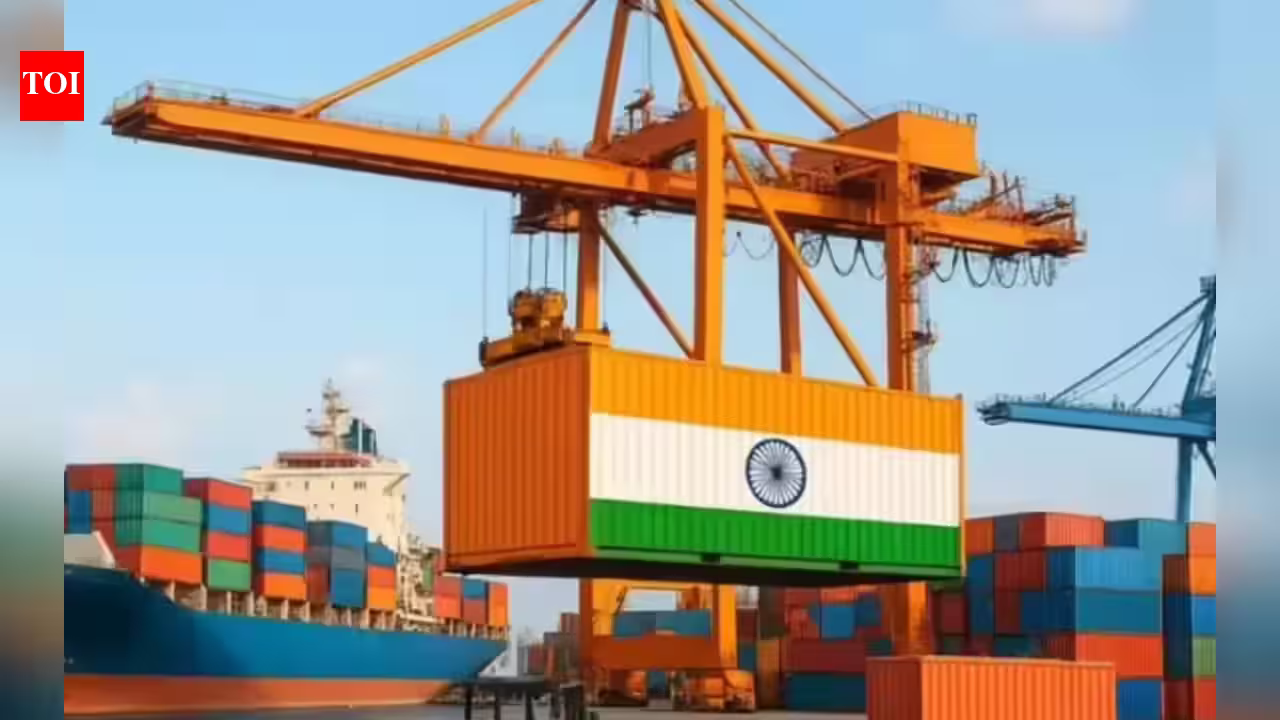
The strengthening of factories like RCF Kapurthala carries broader implications for the Indian economy and its position in the global manufacturing value chain. With an annual output of 2,383 coaches recorded in the 2025–26 fiscal year, RCF is not only sustaining domestic supply chains but is also carving a presence in the international market. The export of railway coaches to countries across Asia and Africa underscores the international competitiveness of Indian manufacturing.
By proving that domestic factories can manufacture, test, and deploy complex, semi-high-speed train sets like the Vande Bharat, India is positioning itself as a hub for railway infrastructure development. This industrial growth supports the “Make in India” initiative, creating a specialized labor force and fostering an ecosystem of vendors who provide everything from braking components to interior fittings. The ability to export these coaches provides a significant revenue stream for the manufacturing units and enhances the country’s brand as a reliable supplier of modern transportation solutions. As Indian Railways explores larger configurations, such as the 24-coach variant, the industrial capacity developed today will serve as the foundation for the next decade of infrastructure investment.
Strategic Outlook for Future Development
Looking ahead, the evolution of the Vande Bharat platform points toward a diverse range of configurations tailored to specific passenger needs. Following the successful introduction of the Chair Car and the sleeper variants, the focus is shifting toward higher-capacity units, such as the 24-coach trains designed to replace or surpass the comforts of the Rajdhani Express. This strategy is essential for optimizing line capacity; more coaches per train mean more passengers moved per trip without requiring additional track slots, which are a scarce resource in India’s high-density rail corridors.
The expansion of production is not an end in itself but a necessity to sustain the rapid modernization of the network. As the railway continues to prioritize high-speed connectivity, the synergy between research, design, and production units will remain the primary driver of progress. The successful certification of the RCF-manufactured train sets proves that the decentralized production model is resilient and capable of upholding stringent safety standards. Ultimately, the Vande Bharat project serves as a microcosm of India’s broader industrial ambition—replacing legacy systems with high-tech, indigenously developed infrastructure that is capable of scaling to meet the demands of a modern, fast-growing economy. Through continuous iteration and the scaling of specialized manufacturing, the Indian Railways is well-positioned to maintain its status as a vital artery for the nation’s economic and social mobility.
Disclaimer: This content is auto-generated for informational purposes only.
Source: Read Original News