







Amazon has officially expanded its hardware ecosystem with the introduction of two new “Bee” listening devices. Following its acquisition of the San Francisco-based startup Bee in July 2025, the company has integrated this technology into its broader AI strategy. The new lineup, consisting of the Bee Frontier wearable and the Bee Eclipse smartphone attachment, represents a significant shift toward ubiquitous, always-on AI personal assistants that prioritize ambient data collection over traditional, command-based interactions.
Understanding the Bee Frontier and Bee Eclipse
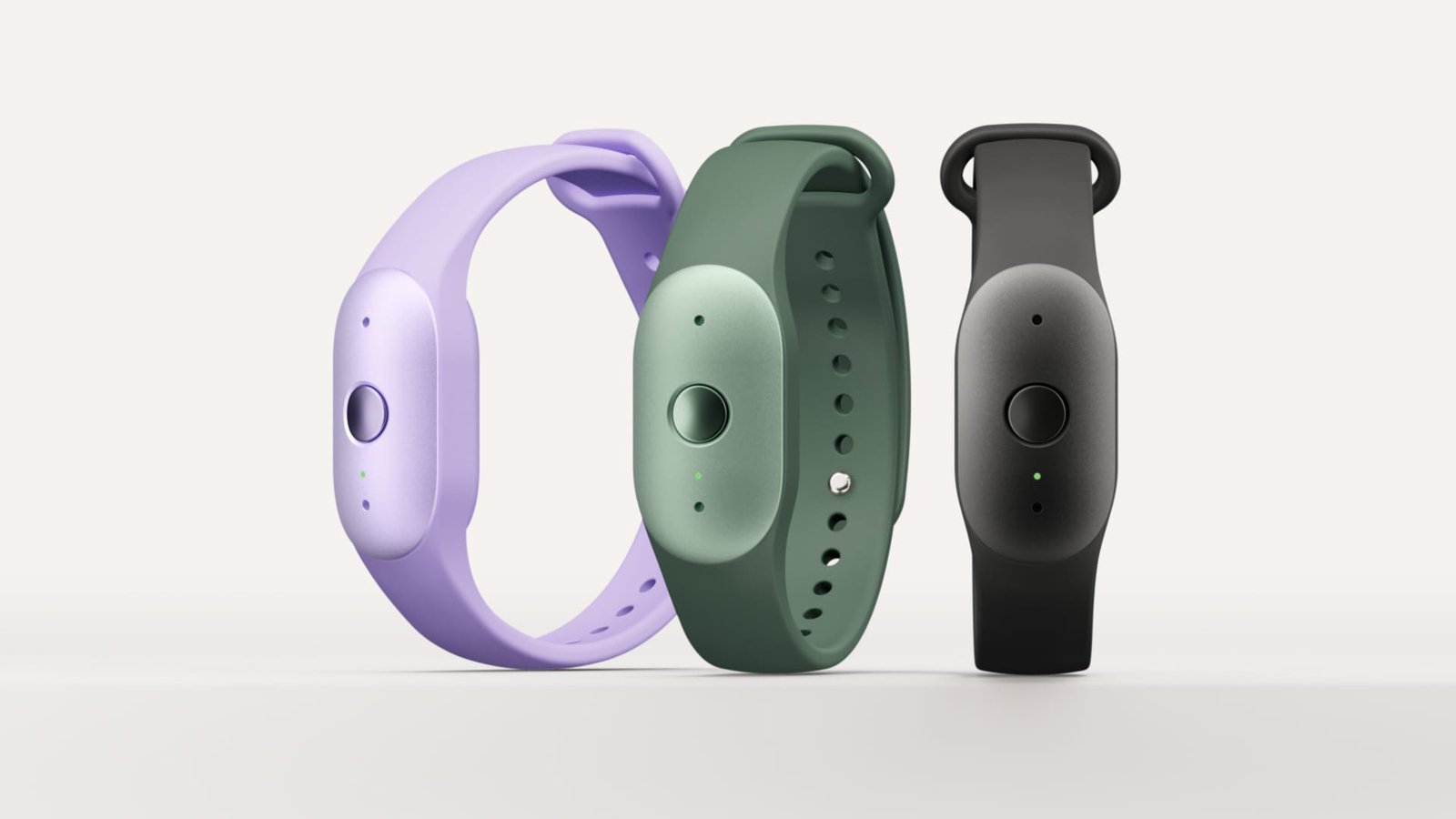
The Bee Frontier is the latest iteration of the company’s wearable hardware. Priced at $75, it serves as an upgrade to the existing Bee model. Designed for versatility, the device can be worn as a bracelet or clipped directly onto clothing. The Frontier maintains the essential technical specifications that defined its predecessor, including a robust seven-day battery life, but introduces critical hardware improvements to its sensory input systems.
The Bee Eclipse, priced at $100, offers a different form factor designed for users who prefer keeping their AI assistant tethered to their primary mobile device. The credit card-sized gadget utilizes a magnetic snap-on mechanism to attach to the back of a smartphone. While the hardware form differs, the fundamental functionality remains consistent with the wearable version, focusing on persistent environmental audio capture. Both devices are equipped with upgraded dual-microphone arrays designed to utilize advanced noise-filtering algorithms, allowing the AI to isolate relevant speech in acoustically challenging environments, such as crowded restaurants or open-plan offices.
The Mechanics of Always-On AI
Unlike traditional smart speakers, such as Amazon’s Echo, which require a “wake word” to begin processing, Bee devices operate on a continuous recording model. This fundamental difference is intentional; the hardware is designed to record, transcribe, and analyze conversations throughout the user’s day without manual prompts.
The core utility of this technology lies in its ability to synthesize ambient audio into actionable insights. Through the accompanying software, the device generates daily summaries, logs recurring conversational themes, and identifies trends in the user’s life. This allows the system to offer personalized suggestions or track goal progression based on the discussions captured throughout the week. For users opting into the $12-per-month Bee Pro subscription, the platform provides expanded capabilities, including unlimited conversation summaries, persistent historical memory retrieval, and deeper integration with the Amazon ecosystem, including its Alexa+ AI assistant and various third-party applications.
Strategic Positioning in the AI Hardware Race
The release of these devices occurs at a critical juncture in the tech industry, as major corporations scramble to capture market share in the personal AI hardware space before the holiday shopping season. Amazon’s decision to prioritize these devices reflects a broader trend of moving away from legacy hardware categories. By phasing out its budget-friendly Fire tablet line in favor of AI-infused Alexa Tablets, Amazon is signaling that its future revenue growth is tied directly to the integration of generative AI into daily consumer electronics.
This sector is becoming increasingly crowded. Other tech giants are pursuing similar paths: Meta continues to push its AI-equipped smart glasses, while startups such as Plaud and Friend have introduced note-taking hardware and AI necklaces, respectively. The competition is centered on creating a seamless, low-friction interface that allows artificial intelligence to assist users without the need for screens or manual input, effectively turning ambient conversation into structured data.
Data Security and User Privacy Considerations
The nature of an always-listening device naturally invites questions regarding privacy and data governance. Amazon has addressed these concerns by implementing a strict privacy-first framework for the Bee product line. According to the company, no audio data is ever stored on its servers. The processing occurs on a local or transient basis, and the system is engineered so that even Amazon personnel cannot access the content of the transcripts or the summaries generated for individual accounts.
To maintain transparency, the devices feature an integrated LED light that activates whenever the microphones are recording, providing a physical indicator of the device’s status. Furthermore, the company has emphasized user autonomy, allowing individuals to delete their generated transcripts and summaries at any time through the associated application. These features are designed to mitigate the concerns often associated with wearable cameras and microphones, such as those that have previously plagued competitors in the smart-glasses market.
The Practical Impact on Daily Productivity
The shift toward ambient computing represents a move toward the automation of memory and organization. By offloading the burden of note-taking and task tracking to an AI, users are expected to benefit from increased efficiency. A professional in a meeting, for instance, can rely on the Bee Frontier to capture granular details that might otherwise be forgotten. The ability of the software to synthesize these long-form interactions into structured “themes” creates a record of progress that can be used to monitor long-term objectives.
As these tools move from concept to consumer-available hardware, their impact will likely be defined by their reliability in noisy, real-world settings. The success of the Bee Frontier and Bee Eclipse will depend on how effectively the hardware can filter out irrelevant noise while accurately preserving the context of user interactions. If successful, these devices could transform how individuals manage their professional and personal schedules, effectively functioning as a cognitive extension for the modern user.
Disclaimer: This content is auto-generated for informational purposes only.
Source: Read Original News