






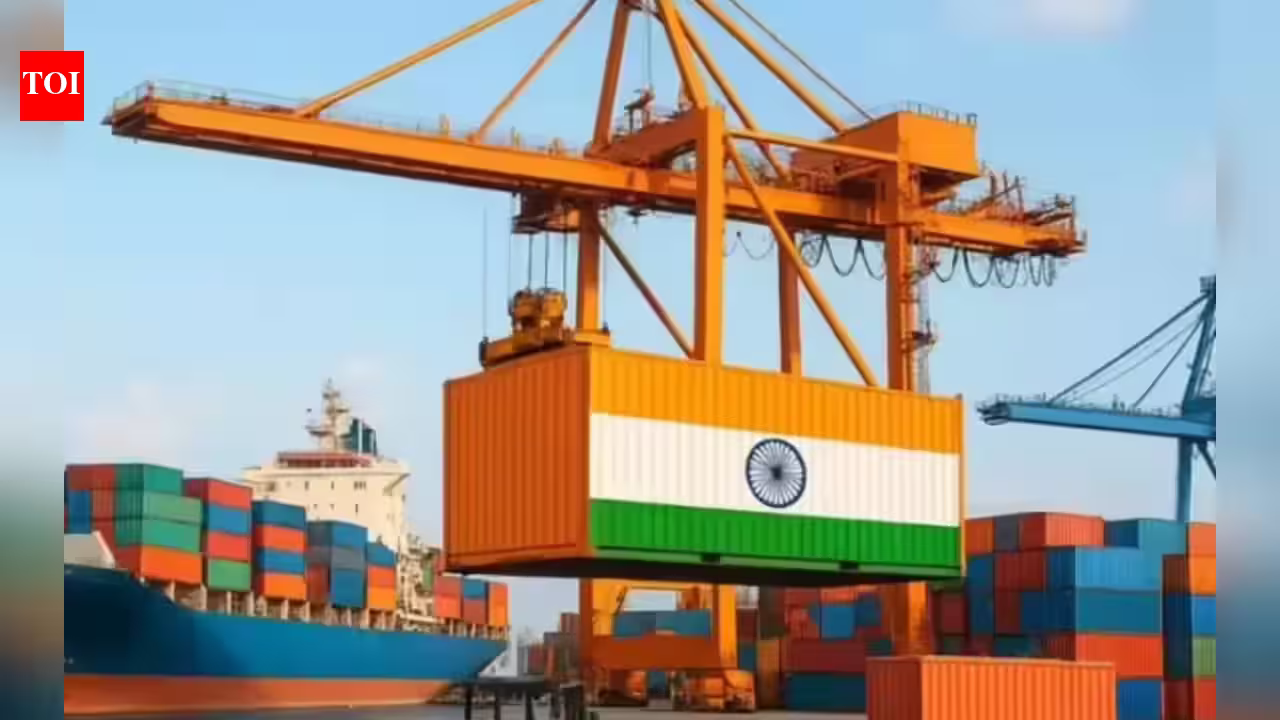
Analyzing India’s Export Trajectory and Economic Resilience
The latest trade data released by the Ministry of Commerce and Industry reveals a significant strengthening of India’s position in the global market. With merchandise exports surging by 23.04% year-on-year in September 2026, reaching $44.40 billion, the nation has demonstrated notable resilience amidst volatile global supply chains and geopolitical instability. This expansion is not merely a statistical anomaly but reflects a structural shift in India’s manufacturing capabilities and its deepening integration into international value chains.
The second quarter of the current financial year witnessed an overall export performance—encompassing both merchandise and services—of $242.6 billion. This represents the highest figure ever recorded for a single quarter, signaling that the growth momentum initiated in the first quarter has effectively accelerated. As India aims to transition into a global manufacturing hub, these figures provide a validation of domestic policy initiatives aimed at boosting production capacities and improving trade logistics.
Structural Drivers of Growth in the Export Sector
The recent export success is anchored by a diversified portfolio of commodities. While traditionally strong sectors like petroleum products and agricultural goods have contributed steadily, the real story lies in the surge of high-value segments. Electronic goods and engineering products have emerged as primary growth engines, reflecting the success of incentive schemes designed to attract foreign investment and encourage local manufacturing.
Engineering goods, in particular, remain a cornerstone of India’s industrial export basket, benefiting from increased demand for infrastructure components and specialized machinery in overseas markets. Simultaneously, the electronics sector—driven by the localization of smartphone and hardware assembly—is showcasing India’s ability to scale rapidly. This transition from being a net importer of technology components to an exporter of finished goods represents a vital milestone for the Indian economy. The consistent growth across these categories indicates that Indian firms are successfully moving up the value chain, shifting the focus from raw material exports to more complex, value-added manufacturing.
Managing the Trade Balance Under Global Commodity Volatility
Despite the impressive growth in exports, the Indian economy continues to grapple with a significant trade deficit. In September 2026, the merchandise trade deficit narrowed to $30.21 billion compared to the previous year, yet it remained higher than the August figures. This reality underscores the vulnerability of the national trade balance to fluctuations in global commodity prices, specifically crude oil.
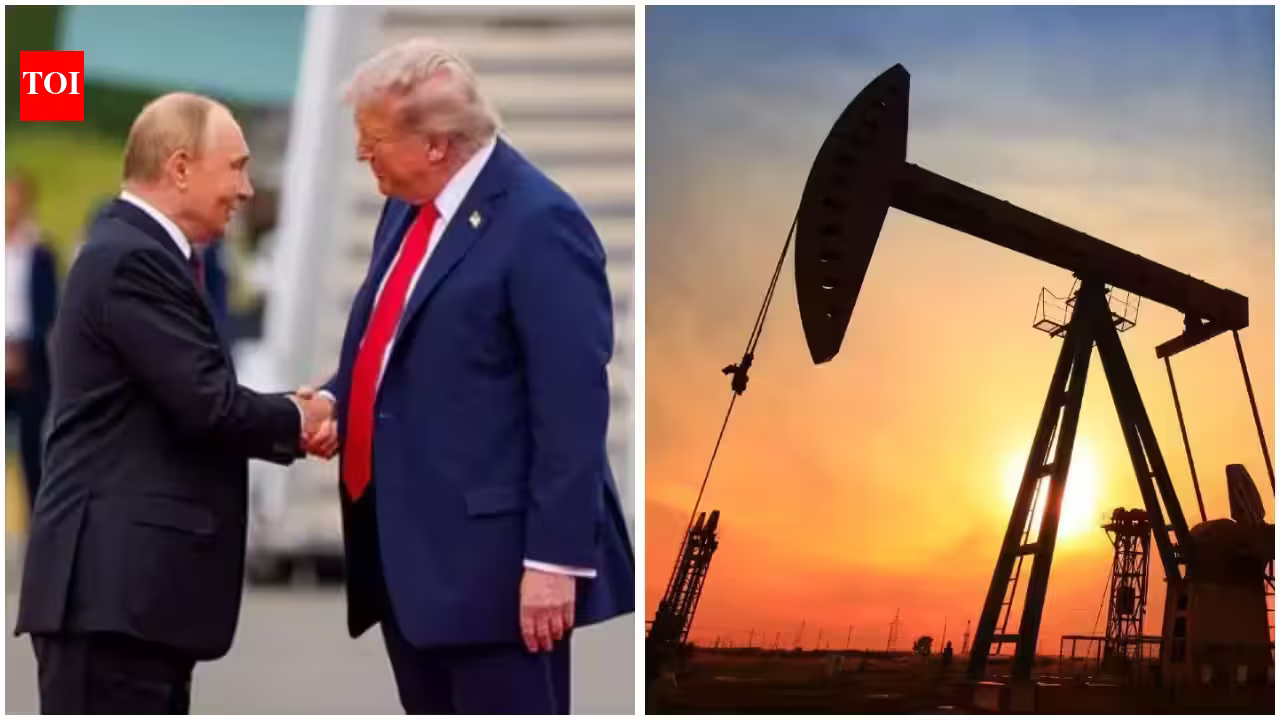
The persistent instability surrounding the Strait of Hormuz and ongoing geopolitical tensions have kept Brent crude prices elevated, often hovering above the $100 per barrel mark. Because India remains heavily reliant on energy imports to fuel its industrial base and transportation needs, the import bill is inherently linked to these external pressures. The Ministry’s data confirms this, with overall imports rising significantly alongside exports. For policymakers, the challenge lies in balancing the necessity of energy security with the need to contain the trade deficit. While the narrowing of the combined trade deficit is a positive sign of macroeconomic management, long-term stability will likely depend on the further expansion of domestic energy alternatives and a sustained push to move away from fossil fuel dependence.
The Pivot Toward Strategic Trade Agreements
India is actively recalibrating its trade strategy by moving beyond traditional bilateral relationships and focusing on comprehensive agreements that offer preferential market access. The upcoming trade deal with New Zealand and the ongoing efforts to finalize a broad-based agreement with the European Union highlight a proactive approach to opening new markets. By seeking preferential access, Indian exporters are better positioned to compete with regional rivals in economies where tariff structures previously acted as significant barriers to entry.
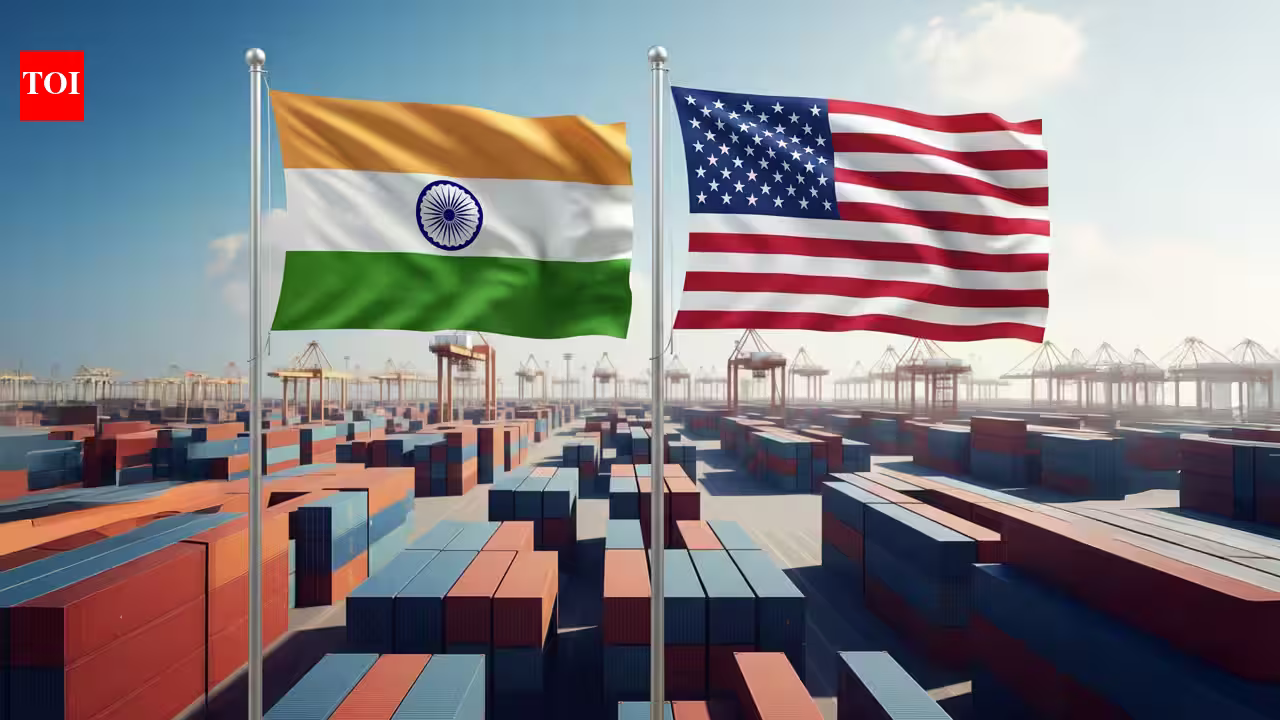
The United States remains a critical partner, accounting for a substantial portion of India’s merchandise exports. The fact that exports to the US rose by 11.1% to $50.81 billion during the first half of the financial year illustrates the strength of the commercial ties between the two nations, even in the face of tariff-related uncertainties. The ongoing negotiations regarding a bilateral trade deal are being handled with a pragmatic focus on the United States’ evolving tariff framework, particularly concerning Section 301. Commerce Secretary Rajesh Agrawal’s comments suggest that India is aiming for a mutually beneficial arrangement that provides its exporters with the necessary competitiveness to maintain and grow market share in the US, despite the complex regulatory environment.
Future Outlook and Competitive Competency
Looking forward, the ability of India to sustain this growth trajectory will depend on its capacity to mitigate supply chain disruptions and improve its domestic manufacturing competitiveness. The government’s focus on infrastructure development—specifically port modernization and logistics efficiency—is essential for lowering the total cost of goods. Furthermore, the emphasis on ensuring that trade agreements lead to “preferential market access” indicates that India is moving toward a more sophisticated model of international trade that prioritizes quality and specific market needs over sheer volume.
The current trajectory, if maintained, could allow India to hedge against the slowing growth seen in some developed economies. By diversifying its export basket to include high-tech goods and deepening ties with key trading blocs, India is essentially building a buffer against localized economic downturns. However, the success of these initiatives will be measured by the ability of Indian industry to consistently meet international quality standards and navigate the stringent regulatory regimes of Western markets.
In summary, the trade data for September 2026 provides a clear picture of an economy that is expanding its industrial footprint while cautiously navigating a volatile global environment. The focus now rests on translating this export growth into broader industrial employment and ensuring that the narrowing of the trade deficit is supported by long-term structural changes rather than mere seasonal variations. As India continues to integrate into the global landscape, its focus on strategic trade partnerships and the scaling of value-added manufacturing will be the primary factors determining its economic success in the coming decade.
Disclaimer: This content is auto-generated for informational purposes only.
Source: Read Original News