








A Modern Retelling of a Gaming Landmark
Nintendo has officially confirmed the highly anticipated release of The Legend of Zelda: Ocarina of Time for the upcoming Switch 2 hardware, scheduled for launch on November 5. This project serves as a cornerstone for the franchise’s 40th anniversary, aiming to bridge the gap between the architectural limitations of the 1998 original and the capabilities of modern gaming systems. While visual overhauls and technical refinements are expected, the latest promotional material highlights a significant addition to the classic formula: the Hall of Fallen Foes. This new environment represents a departure from the traditional linear structure, offering players a space dedicated to archival and combat practice.
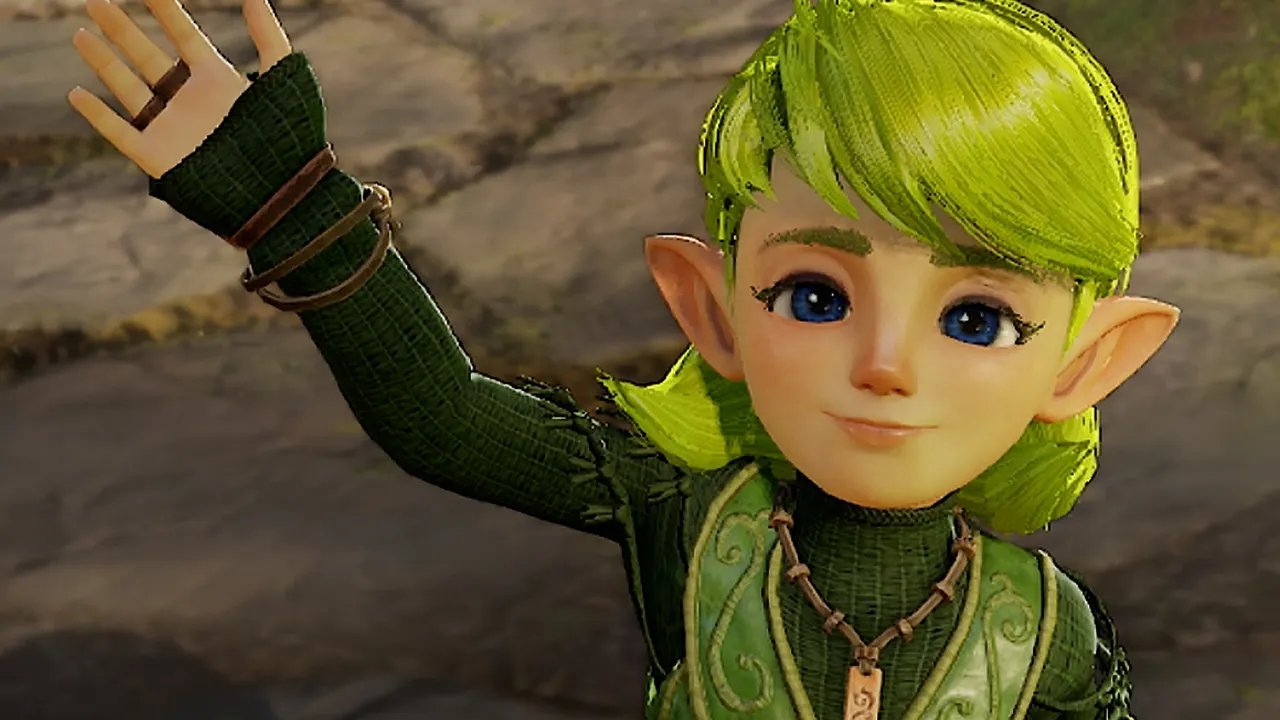
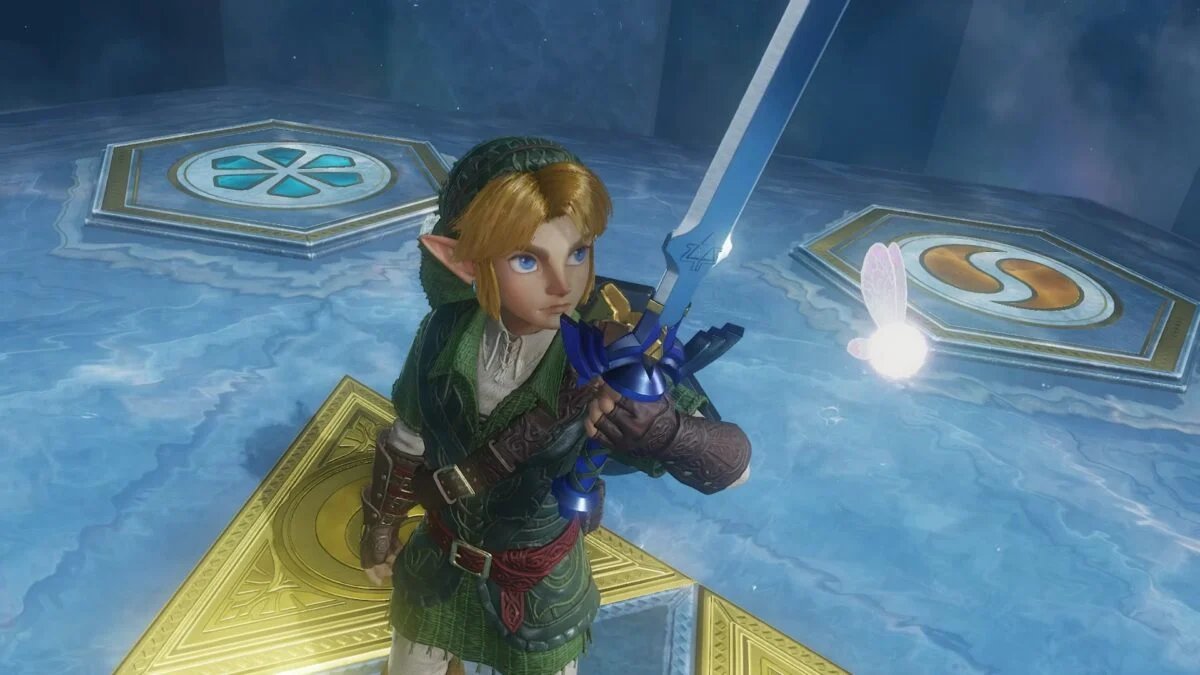
The core of this remake remains true to the original adventure, meticulously recreating the sprawling fields of Hyrule and the complex dungeons that defined the N64 era. However, the Switch 2 release leverages higher processing power to introduce modernized lighting, dynamic foliage, and enhanced environmental textures. By maintaining the fundamental design philosophy while upgrading the graphical fidelity, Nintendo seeks to present the definitive version of an adventure that has historically been constrained by older hardware specifications.
The Hall of Fallen Foes: An Archival Expansion
Perhaps the most compelling technical addition to this remake is the Hall of Fallen Foes. This location functions as a centralized hub or virtual museum for the player’s journey. Statues populate the space, representing every enemy type Link encounters during his travels. When a player interacts with these statues, they are provided with technical descriptions that detail monster behaviors, tactical weaknesses, and environmental context.
From an instructional perspective, this acts as a bestiary that serves both historical and functional roles. For veteran players, it offers a deep dive into the lore and world-building that was often obscured by the limited polygon counts of the late 1990s. For newcomers, the Hall provides a repository of intelligence that can be consulted to refine combat strategies. This systemic approach to cataloging in-game encounters ensures that the environment feels more reactive to the progress of the player throughout the campaign.
Boss Rush Functionality and Performance Tracking
Beyond its role as a static archive, the Hall of Fallen Foes introduces a robust combat suite centered on boss encounters. Players can initiate rematches against any previously defeated major antagonist directly from this chamber. This integration of a boss rush mode addresses a common request from long-term fans who previously had to restart a full save file to experience specific high-stakes battles again.
The implementation of this feature includes a time-tracking system, enabling players to record and compete against their previous performances. By logging completion times, the game introduces a layer of replayability that rewards technical mastery and efficient resource management. This allows for a more focused experience where players can test different equipment sets or combat techniques against specific enemies without traversing the entire game world, effectively turning high-tier boss encounters into a skill-based performance challenge.
Hardware Synergy and Technical Execution
The launch of this title on the Switch 2 platform is critical to demonstrating the hardware’s capabilities. With the increased technical headroom provided by the new console, the remake maintains a consistent frame rate that was not possible in the original iteration, particularly during demanding boss encounters or dense, high-traffic areas. This fluidity is essential for the Hall of Fallen Foes, as the speed-focused nature of the time-tracking system demands precision inputs and responsive controls.
Furthermore, the integration of these new features suggests that Nintendo is utilizing the Switch 2 to prioritize performance metrics and player-controlled difficulty scaling. By providing a dedicated space for combat refinement, the developer is shifting the focus of the remake toward precision gaming. This technical commitment ensures that the game serves both as a nostalgic journey for long-time enthusiasts and a rigorous test of skill for a new generation of players.
Looking Ahead: The Future of the Franchise
The release of Ocarina of Time on November 5 is merely the start of a broader initiative to reinvigorate the franchise during its 40th-anniversary window. As the industry looks toward the synergy between interactive software and cinematic media, the focus remains on how these intellectual properties are adapted for modern audiences. The upcoming live-action film featuring Benjamin Evan Ainsworth and Bo Bragason further underscores the commitment to expanding the visibility of the series beyond traditional gaming platforms.
While the film and the game serve different mediums, their shared goal is the preservation and elevation of the core narrative identity of Hyrule. By introducing systems like the Hall of Fallen Foes, Nintendo is ensuring that the historical content remains accessible and engaging for current hardware. As November approaches, the combination of a faithful mechanical recreation and these new, high-performance features positions this remake as a technical benchmark for how legacy content should be revitalized in the modern era. The result is a project that respects its origins while utilizing current technical advancements to offer a deeper, more measurable experience for the player.
Disclaimer: This content is auto-generated for informational purposes only.
Source: Read Original News