







Modernizing a Classic: Key Gameplay Evolution
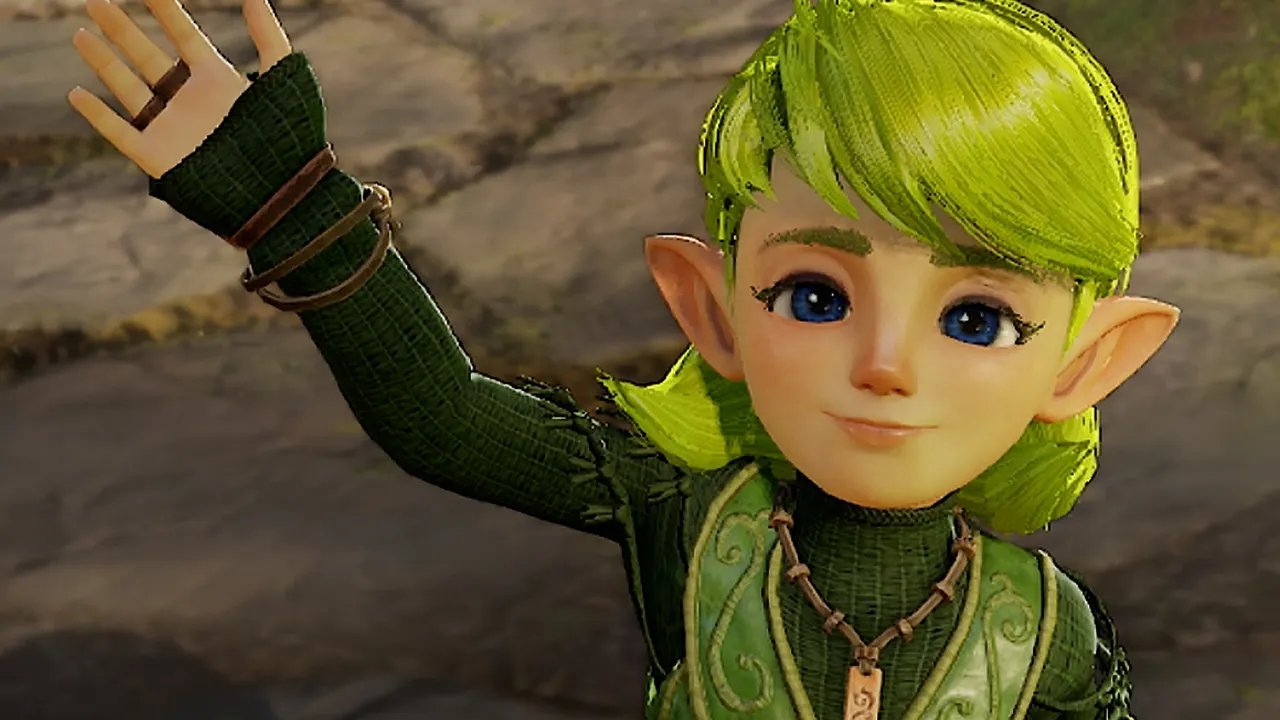
The upcoming release of The Legend of Zelda: Ocarina of Time for the Switch 2 represents more than just a graphical overhaul. Through an extensive hour-long hands-on session, it becomes clear that the development team has scrutinized nearly every mechanical aspect of the original 1998 title to ensure it aligns with contemporary gaming standards. While the core narrative and legendary structure remain intact, the transition to modern hardware allows for significant refinements in puzzle logic, navigation, and combat fluidity.
The focus appears to be on creating a more intuitive experience. By reorienting puzzle solutions to fit a third-person camera and introducing context-sensitive cues, the remake removes the friction often associated with early 3D exploration. The result is a game that feels remarkably fresh while retaining the structural soul of its predecessor.
Refining Early Game Mechanics
The adjustments begin in the earliest moments of the adventure. In Kokiri Forest, for instance, the player’s starting wallet capacity has been increased to 200 rupees, alleviating the early-game inventory limitations found on the N64. Furthermore, the environment has been updated to better facilitate learning. A new training dummy has been placed near the shop, where an NPC provides a structured tutorial on defensive maneuvers.
The acquisition of the Kokiri Sword has also been moved from a static corner chest to a high platform, requiring the player to utilize jumping mechanics—a deliberate choice to emphasize the improved movement capabilities. Inside the Great Deku Tree, minor changes to loot distribution, such as finding Deku Nuts in secondary chests, signify a shift toward rewarding exploration with more functional items rather than simple health recovery.
Combat Logic and Enemy Interaction
Combat encounters now prioritize player agency over scripted patterns. A primary example is the behavior of the Skulltulas. In the original title, these enemies followed rigid attack cycles. Now, they require a reactive approach: landing a sword strike sends them into a spin, leaving their underbelly exposed. This change reflects a broader design philosophy where combat openings are earned through tactical play rather than waiting for an enemy to cycle through a pre-programmed state.
This logic extends to the Forest Temple, where the redesigned Stalfos encounters demonstrate environmental awareness. Replacing bottomless pits with shallow pools of acid creates a logical hazard that affects the player differently than the enemies. These encounters force the player to manage their positioning within the arena, ensuring that the movement freedom offered by the Switch 2 controller remains a critical component of every skirmish.
Navigation and World Design
Hyrule Field and Castle Town have received significant upgrades to improve the sense of scale and traversal. Castle Town, in particular, has transitioned to a fully integrated third-person perspective. The removal of fixed camera angles allows for seamless movement from the town entrance to the Temple of Time, eliminating loading screens and spatial disconnections that previously broke immersion.
Hyrule Field also sees increased density. The placement of Peahats in more central, accessible locations makes the overworld feel more active. Additionally, visual cues for hidden areas—such as cracked ground textures that explicitly indicate bomb locations—replace the largely invisible secrets of the original. These subtle signposts streamline discovery without removing the joy of uncovering hidden content.
Quality of Life and Inventory Management
The remake introduces several quality-of-life improvements that significantly reduce menu fatigue. Players can now access a songbook directly through the Ocarina interface, removing the need to navigate the main pause menu to remember complex button sequences. The inventory screen itself has been segmented into distinct quadrants for Child Link, Adult Link, and shared items, providing a clearer organizational structure.
Targeting has also been enhanced for precision. When using the hookshot, the reticle changes color when the projectile is lined up with a valid target, providing immediate visual feedback. These adjustments, paired with a new, non-intrusive quest log that provides helpful flavor text rather than strict guidance, ensure that the player can engage with the world on their own terms. Accompanied by a fully remastered soundtrack featuring live instrumentation, these updates position the Ocarina of Time remake as both a faithful tribute to a masterpiece and a modern, cohesive action-adventure experience.
Disclaimer: This content is auto-generated for informational purposes only.
Source: Read Original News